Interior Design Process Steps For A Better Workflow
Perfect your project workflow from start to finish by learning these interior design process steps. Never miss a milestone & stay one step ahead.

As a designer, how can you complete all of the interior design process steps in the right order at the right time? It all comes down to developing an effective, efficient interior design project workflow. This key component of your design work can aid you in staying organized, prioritizing, making decisions and creating clear plans of action – all directly benefiting you, your team and your clients. Establishing your interior design workflow not only helps you build credibility with your customers, but it also saves you time and provides you with opportunities for professional growth and better work-life balance.
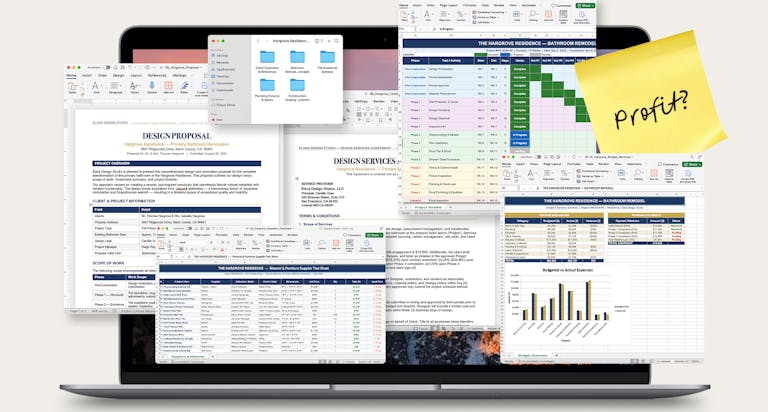
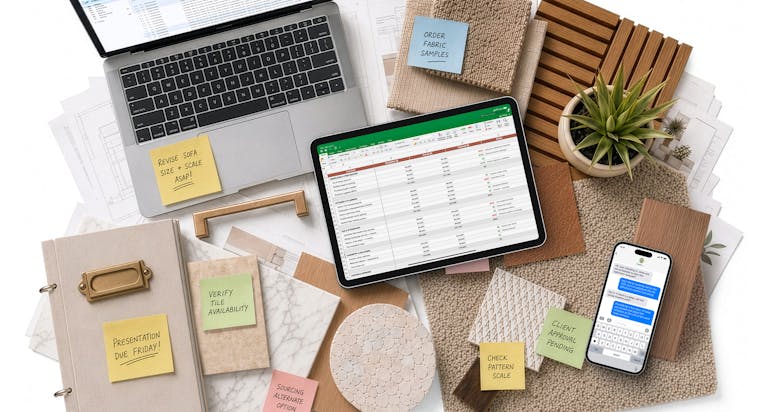
While it may be possible to piece together the interior design process stages with a collection of different software programs you’ve been using for years, outdated tools slow you down and keep you from seeing important project details as well as the big picture. That’s why designers are transitioning to using new intuitive technology in one platform to streamline their interior design workflow. From marketing your business to managing your clients and everything in between, having the right all-in-one toolbox is essential to the success of every project. Keep reading to see how using these types of tools can help you evolve, industry demands during each step of your designer workflow and an interior design workflow chart to help you visualize every step.

Step 1: Marketing Your Business
Increasing your online presence can help take all of the guesswork out of modern-day marketing for your business, making it one of the most important interior design process steps. Homeowners searching for websites where they can find professional services in your local area, will see your business at a glance and everything that makes it stand out. Make a great first impression on prospective customers by showcasing the services you offer and featured reviews from satisfied clients on websites such as Houzz. And, because research shows that 93% of online buyers consider photographs to be the deciding factor when making purchases, including attractive visuals of completed projects is key to attracting future clients. Take their interest to the next level with a stylish professional website. As you complete projects, upload photos and videos to display your complete portfolio.

Step 2: Track & Manage Your Leads
Having a proper lead management tool is a great way to centralize all client communications during the pre-sale interior design process stages. Using this type of tool helps to gather all leads, no matter where they came from, and organize them accordingly. With this, pros can easily decide whether to go forward with a lead or move on to one that is a better fit. Another great way to manage your leads is to schedule video meetings, this way you can build relationships with prospective clients through quick and easy face to face connections. And when you find a lead that’s a great fit, it’s time to move on to Step 3.

Step 3: Meetings & Consultations
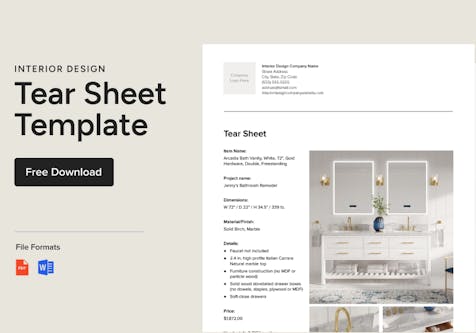
The first meeting or consultation with a prospective client is an important step in any interior design project workflow. First impressions count, and so it is worth assuring that your first meeting with a prospective client is professional and easy to set up. With so many meetings, you want to make sure scheduling the first in-person or virtual meeting is as simple as picking a date and time. One way the right project management tool can help you accomplish this is by connecting your calendar. That way both parties will automatically receive meeting confirmation emails and a meeting event on both calendars. Some tools even offer a personalized booking link to share with clients, so they can view your availability and select a time to meet. Be sure to gather some background information on your client and their goals prior to your first meeting. Consider using this Interior Design Client Questionnaire Template to get started.
Step 4: Concept Development & Presentation
3D Floor Planner
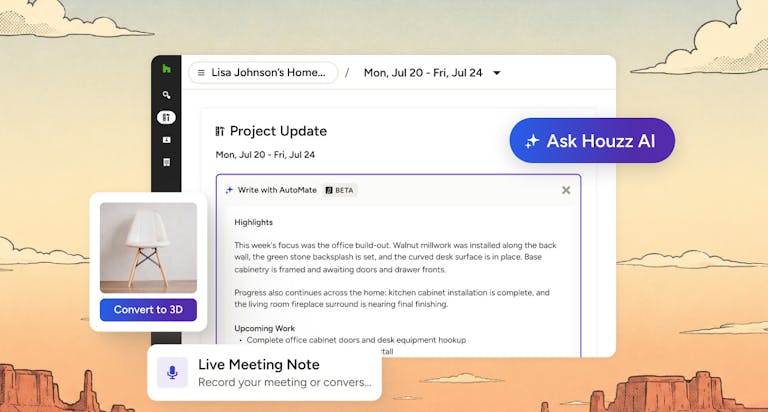
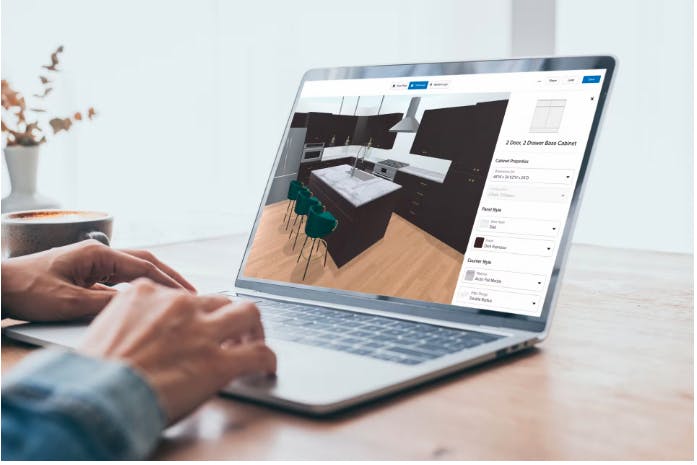
When trying to win a project, a virtual floor plan is an effective way to help clients envision their project. By using a 3D virtual floor planner, you can whip up floor plans in minutes, not hours. Certain tools even allow you to quickly measure any room using your mobile phone to build the base of the floor plan, or design the floor plan on the desktop. And if you want to take your presentation to the next level, using AR features on your mobile device can show clients exactly what their design looks like with a lifelike walkthrough. Clients get excited when they can see your vision for their home spring to life – and you can show it to them on any device, at any time!
Mood Boards
When you’re ready to start communicating what you have in mind for a project, a mood board can be a great place to organize all of your ideas. Whether it be through images, texts or other visual components, creating a mood board allows both you and your client to understand the overall goal of your project.
Proposals
Having an interior design proposal software can help turn materials and labor into dollars and cents. Streamline calculations to help remove manual error and eliminate billing mistakes. And with the right presentation and collaboration tools to keep you on the same page with clients and subs about what needs to be done and when, say goodbye to going over budget and misunderstandings.
Step 5: Approval
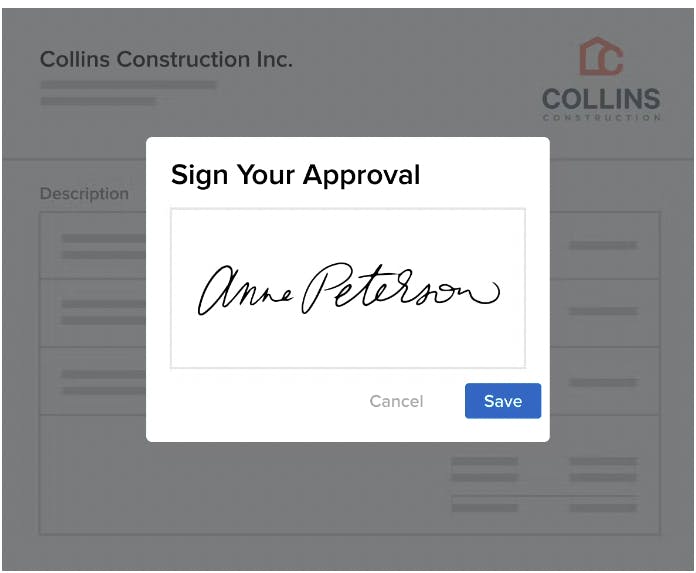
Make it easier for clients to say yes to your interior design contracts and proposals and reduce the inevitable back and forth during the approval stage with online approval and e-signatures. With this clients can view, approve, and sign proposals directly from their mobile devices—which can significantly improve the speed at which you can progress through the interior design process stages. Certain softwares even allow you to customize the approval options and give clients the ability to approve each line item separately or approve the proposal as a whole.

Step 6: Payments & Purchasing
Invoicing
Encrypted invoicing and online payments are built into certain invoicing softwares and can be much more flexible compared to interior design invoice templates. With these you can build a payment schedule, take deposits and send automatic payment requests and invoices. With an easy invoicing system, you can review and update shipping costs, fees and sales tax all in one place. Sending an invoice for payment should be simple: Take deposits as well as give clients the convenience of paying online for every stage of the project.
Purchase Orders
Many professionals will create purchase orders to request materials or services for a project from vendors, suppliers, or subcontractors. By using a purchase order system, you can close out POs or fill in payment information on them much faster than using an interior design purchase order template. Purchase orders are vital for your reporting, and many of your product expense reports can be pulled through the PO system. This will let you see how much was spent per project, vendor, time frame, etc. Purchase orders can also be sent to vendors and subcontractors and paid directly if necessary.
Retainers
With some software tools you have the option to send a request for a retainer payment with your proposal. Requesting a retainer is highly recommended because you can access funds prior to purchasing any products and avoid cash flow issues later on in the project. Many contractors and designers love the ability to request payment on a proposal because it adds some clarifying context – it’s a way to communicate directly with the client and helps to encourage approval and on-time payment. Learn more about retainers and how to price your interior design services.

Step 7: Execution
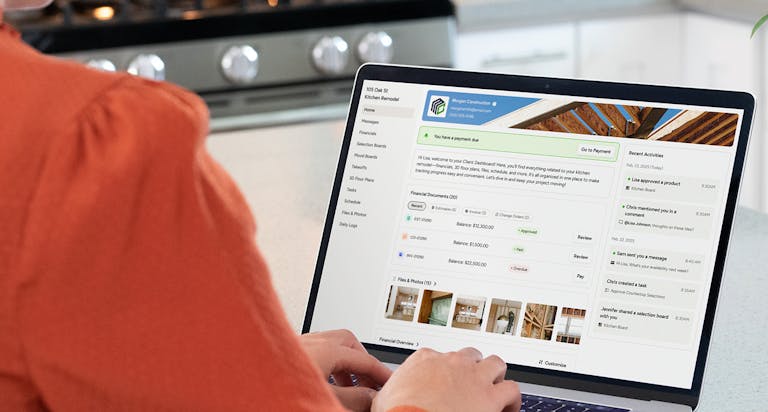
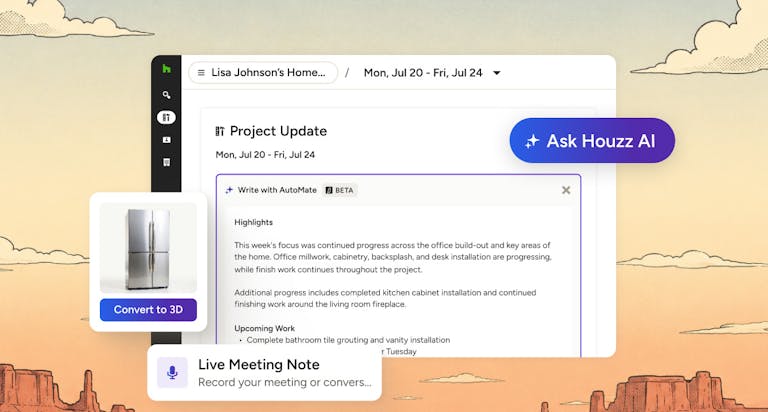
Once you’ve converted a lead into a project, start managing your projects like a professional by using project management software. This type of tool helps you stay organized with clients and teams and manage every moving piece of these interior design process steps. Client communications are centralized, and there’s a digital paper trail for every decision that gets made to avoid misunderstandings.
Here are some feature to look for when using a project management software:
- Client Communication Tools: The ability share a branded custom dashboard with your clients and team to keep everyone in the loop is unmatched.
- Collaboration Tools: Some tools allow you to take interior design collaboration to the next level. Look for a tool where you can invite subcontractors to your project so they can view the items you share with them such as files and daily logs, as well as let you know how they’re progressing in their work.
- Project Timelines: With the ability to create and share timelines you’ll be able to keep all your project phases and dates in chronological order much easier than using interior design schedule templates.
- Task Lists: Create to-do lists for each project and assign tasks to relevant team members. Manage the progress and status of every action item.
- Daily Logs: Create daily logs that track your progress and look for a tool that allowed you to use your mobile device to add updates right from the jobsite anytime.
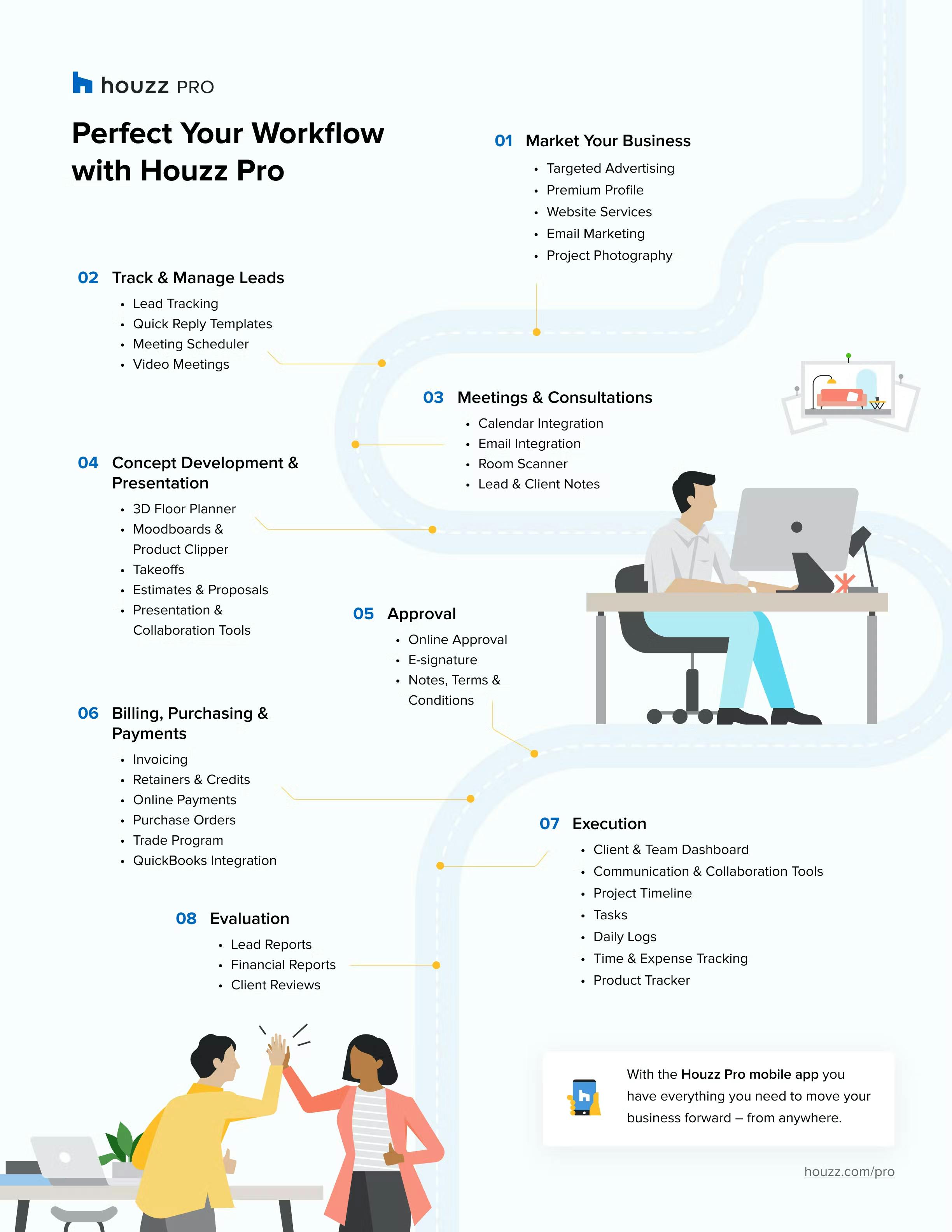
Step 8: Evaluation
Managing Business Financials
Generate clear, accurate reports in just a few clicks with the right software – no more late nights spent updating spreadsheets. With this type of tool you will be able to see exactly how much money is coming in and out of your business. Easily sort by date range, project, payment method or subcontractors, and totals will update automatically. This saves time on admin work and simplifies exporting all billable hours logged per project or per team member.
Lead Reports
Understanding where clients are coming from is key to taking your interior design business to the next level. This is why it’s useful to have a full report that shows all leads and their sources. These insights make it easy to identify areas of your pre-sale interior design workflow that can be improved and which source channels to enhance.
Mobile App
With mobile apps, you have everything you need to move your business forward – from almost anywhere. You can message clients and access your entire communication history wherever you are working, at any time. When something unforeseen happens on the jobsite, for example, keep your clients and subcontractors in the loop, in real time. Reliable communication builds the kind of trust and credibility that brings client referrals and helps interior design businesses grow and thrive.
Improve Your Interior Design Process with Houzz Pro Today
Houzz Pro is an all-in-one business software for design pros. When you use our platform to establish or improve your interior design project from start to finish, you can attract and win better clients, run lucrative projects and deliver a standout experience for you and your customers. Our features can help you save time, increase profit and continue to grow as a respected professional in the construction industry. View plans and pricing or start a free trial to see for yourself!
Which part of the interior design workflow is your favorite? Tell us in the comments below!


Want advice delivered to your inbox?
Unlock industry insights and updates for contractors and design pros
By signing up, I agree to the Houzz Terms of Use and Privacy Policy and that Houzz may use my information to contact me about relevant content, products, and services.