Free Template: How to Write a Carpenter Invoice
Level up your invoicing game with our carpenter invoice example and downloadable carpenter invoice template.
This content was originally published Sept. 3, 2023, but was reviewed May 20, 2026, and is up to date.
Being a skilled carpenter is not enough to succeed in the carpentry business. Honing your business skills, such as how to do invoicing, is equally crucial to growing your business. But if you don’t know where to start, don’t worry. You are not alone. A total of 60% of small business owners feel they aren’t knowledgeable in accounting.
This guide provides everything you need to know about creating a carpentry invoice. We have included a free template that you can use as a starting point for your carpentry invoice. With this guide, you'll be able to learn how to generate a professional-looking carpentry invoice quickly. We walk you through the process, from creating the carpentry invoice template to filling it out with the necessary information.
The carpenter invoice template can be customized for any carpentry project no matter the size, including repair work, furniture making, cabinetry, and installations.
Click on a link below to jump to the section you’re most interested in:
- Download our free carpenter invoice template
- What is a carpentry invoice?
- Why are carpenter invoice templates important?
- When do you send a carpentry invoice?
- What should be included in a carpentry invoice?
- Optional sections to include in a carpenter invoice template
- How to create a carpentry invoice template step-by-step
- Alternatives to carpenter invoice templates
- Final carpenter invoicing tips
Download Our Free Carpenter Invoice Template
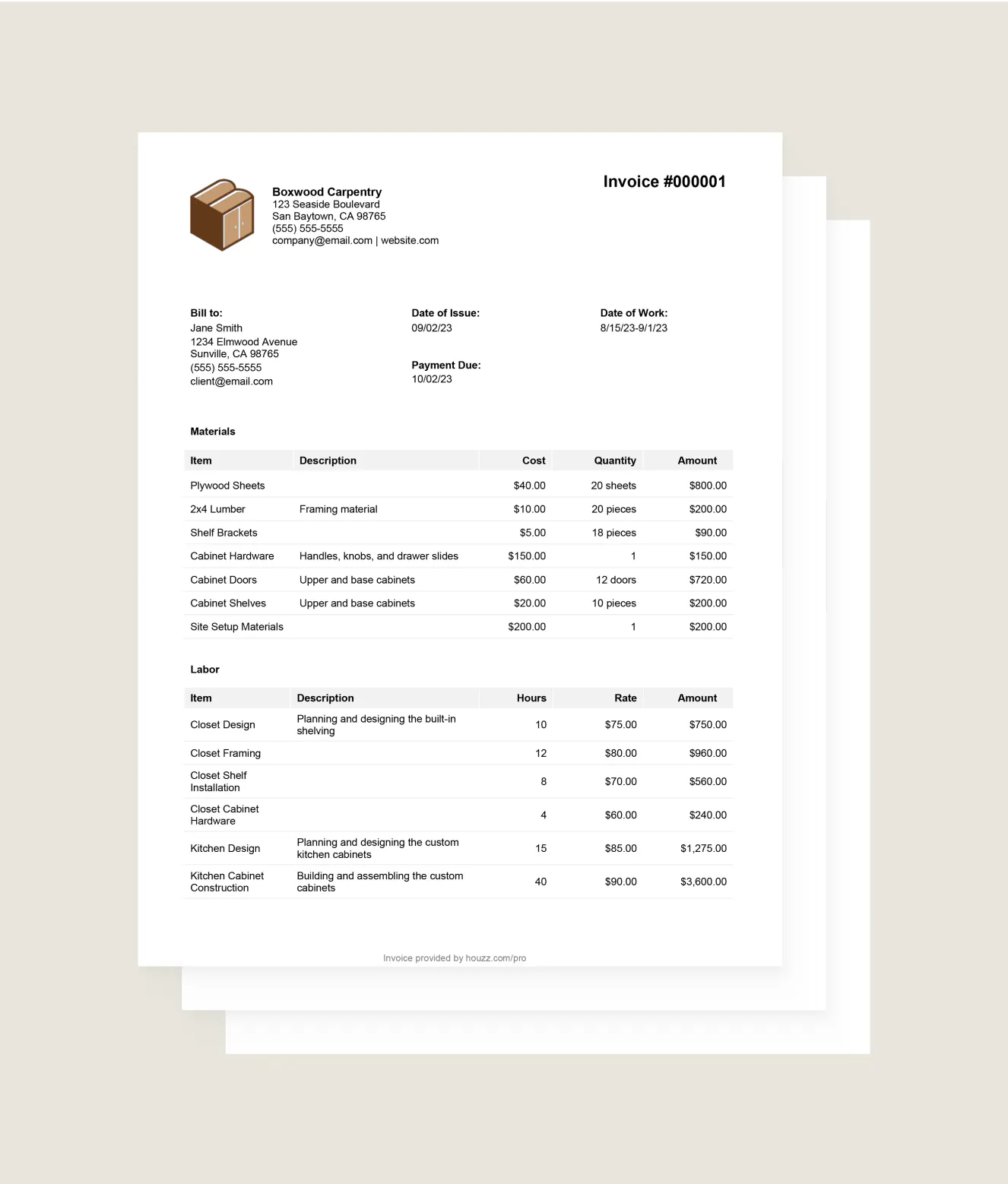
Get Started With This Free Carpentry Invoice Template
Fill out this Carpentry Invoice Template to get paid.
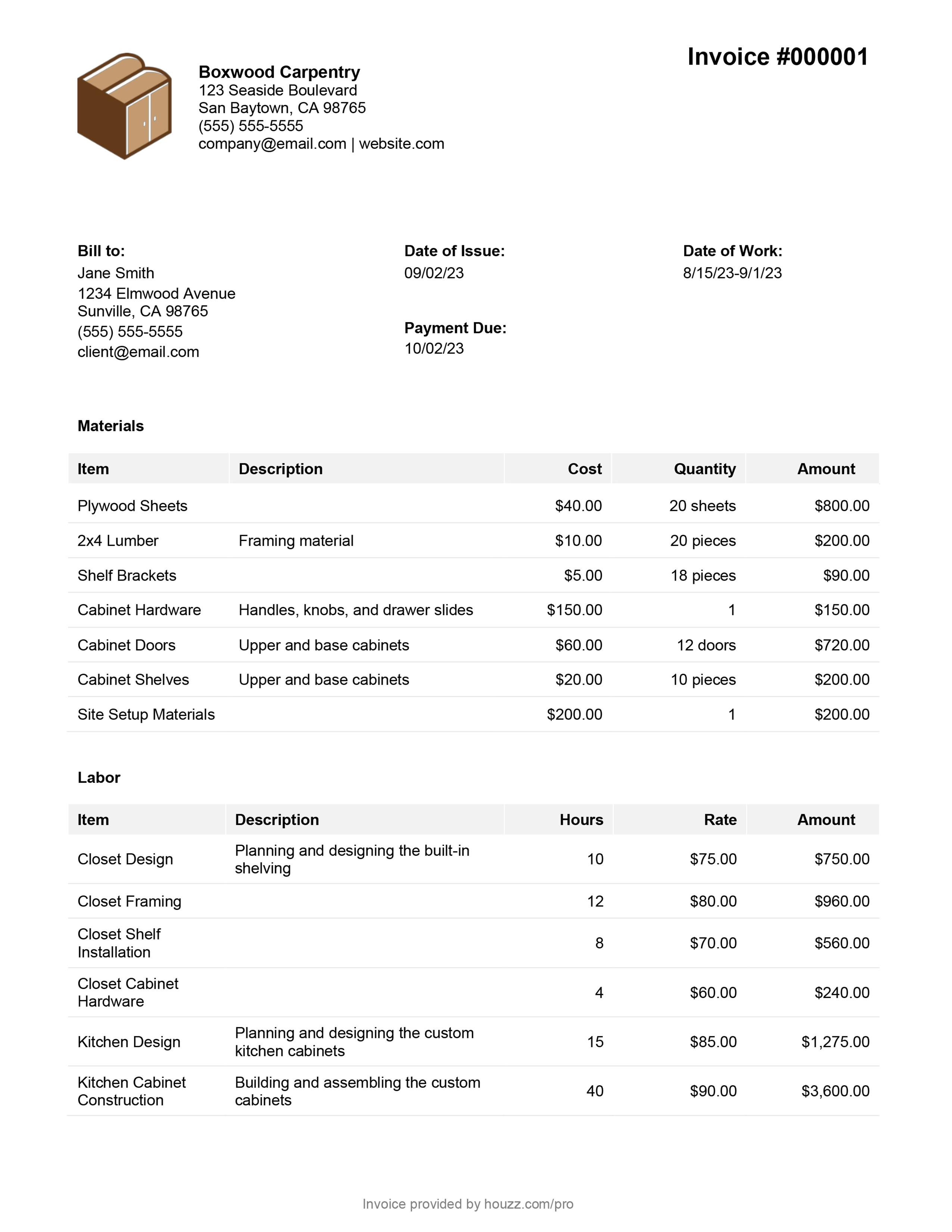
Getting started is easier when you have a guide, and a carpenter invoice template provides just that. Download our free one, which includes a carpenter invoice sample and an example of what a professional carpenter invoice looks like.
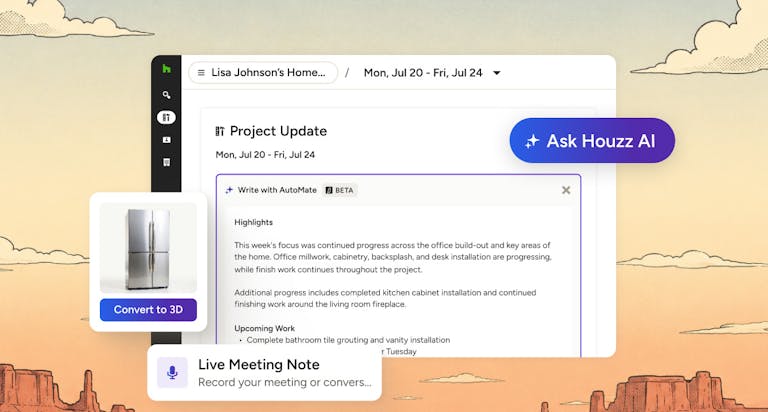
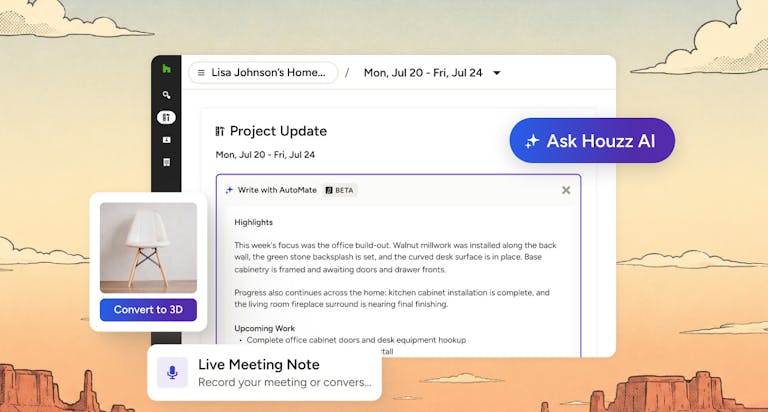
As they grow their businesses, many professional carpenters find that all-in-one business software helps them run all aspects of their business more efficiently, and from anywhere. This includes using visualization tools such 3D modeling and managing estimates, projects, and client communication all in one place.
Explore more invoice templates for carpenters with a free trial of Houzz Pro.
What Is a Carpentry Invoice?
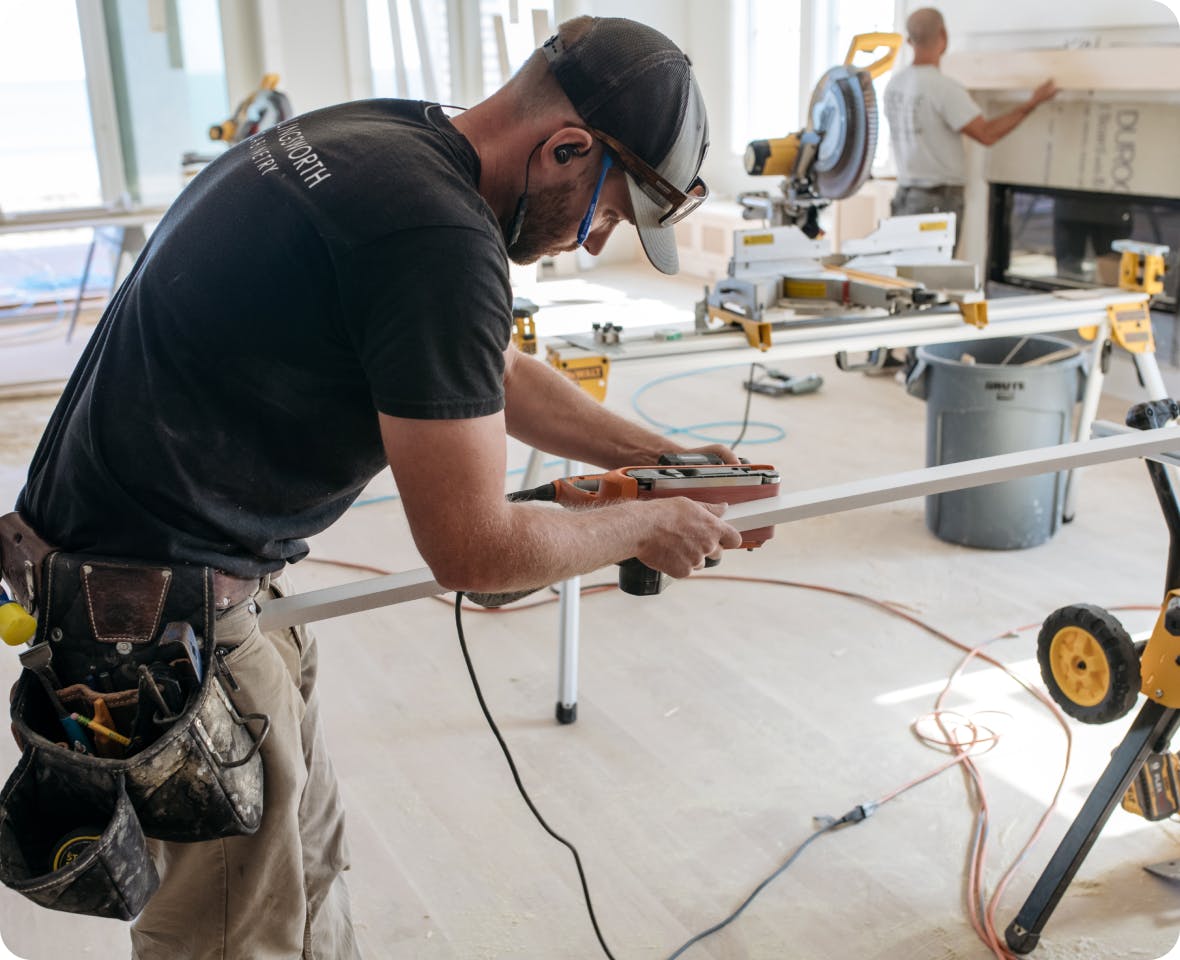
A carpentry invoice is a billing document that details the cost of a project and the amount your clients owe you for your work and services. Sometimes called bills or receipts, carpentry invoices outline the labor and materials used to carry out the project, as well as any other expenses associated with the work.
Why Are Carpenter Invoice Templates Important?
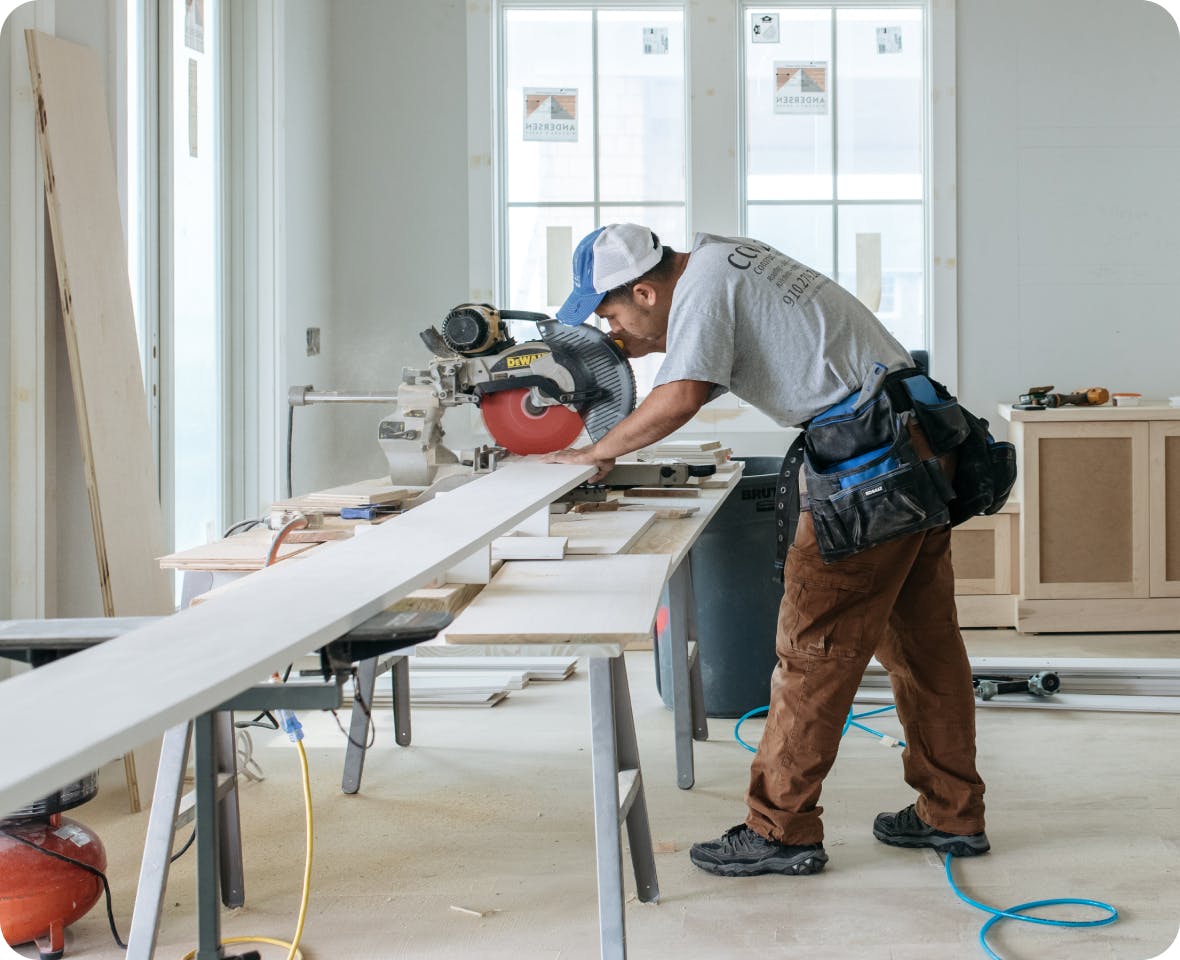
As a carpenter, you may not think your invoicing process is a top priority. After all, your main focus is on your craft and completing projects for your clients. However, understanding the importance of a professional carpentry invoice can greatly benefit your business in the long run. Here are some benefits of delivering a well thought-out carpenter invoice to your clients:
- Professionalism - A professional carpenter invoice shows your clients you take your work seriously and that you value their business. It reflects your professionalism and attention to detail, which can go a long way in building trust and credibility with your clients. It can also set you apart from your competitors.
- Documentation - A carpentry invoice also serves as a legal document that protects both you and your client. It provides a clear record of the work performed, the materials used, and the agreed-upon pricing. In case of any disputes or disagreements, you can refer back to the invoice as evidence of the terms and conditions agreed upon. This not only protects your business but also gives your clients peace of mind knowing they have a documented record of the services provided.
- Eases payment process - A well laid-out carpenter invoice makes the payment process much smoother and more efficient. It clearly outlines the payment terms, due dates, and acceptable methods of payment. This helps avoid any confusion or misunderstandings between you and your client.
- Financial record-keeping - Another benefit of a professional carpentry invoice is that it helps you stay organized and keep track of your business finances. With a clear and structured invoice, you can easily see which clients have paid and which invoices are still outstanding. This allows you to manage your cash flow effectively and follow up on any overdue payments.

When Do You Send a Carpentry Invoice?
The timing of an invoice can greatly influence when you will get paid, so sending them promptly is important to keep revenues flowing into your business. Invoices can be used throughout the lifecycle of a project, including before it begins. If your clients agreed to pay an initial deposit, issue an invoice for payment prior to commencing work.
The same goes for any payments owed during each stage of the project, depending on the schedule agreed upon. Sending the final invoice for the remaining balance as soon as the project is finished, and you have factored in all the costs, can increase your chances of being paid more promptly.

What Should Be Included in a Carpentry Invoice?
Now that you understand the importance of delivering a professional carpentry invoice, let's dive into the essential information to include in every invoice.
- Your company information - Include your company name, logo, address, and contact information. It's important to include this information at the top of your invoice, so that your clients can easily identify who the invoice is from. Make the branding uniquely yours.
- Client information - This includes your client’s name, address, and contact details. Make sure to double-check this information to ensure accuracy.
- Invoice number - Having an intuitive and sequential invoice numbering system helps keep invoices organized and easy to locate. It also ensures that the right invoice is going to the right client.
- Date - Adding the date not only helps with record-keeping, but it also clarifies any misunderstandings of when the invoice was issued and received by your clients.
- Payment due date - Make it clear when the payment is due, giving clients enough time to review the invoice and make arrangements for payment.
- Table of labor and materials - This includes the quantity, cost per unit, and total cost of each material. If you're using any subcontractors or hiring additional help, make sure to include their information and the amount paid to them.
- Cost summary - The summary details the total costs for labor, materials, and any other expenses associated with the carpentry project.
- Payment methods - Make it convenient for clients to pay you by providing more than one payment method, and note those on the invoice.
- Terms - Note the terms and conditions that were agreed upon, including any late fees, payment plans, and more.

Optional Sections to Include in a Carpenter Invoice Template
While additional information may be less critical, consider if there are other sections you can include to provide clarity and encourage referrals and future work. Here are some examples:
- Thank-you note - Adding a personalized note of gratitude shows the client that you go the extra mile and leaves a strong final impression.
- Special details - For projects that are extra complex or involve specialized materials or skills, you may want to elaborate on those details to highlight your specialties and the value of the work your clients received.
- Future carpentry projects - Note any other carpentry projects you are working on or provide suggestions for work you can offer them in the future.
- Website - Adding your website address and social media accounts gives clients a way to stay in touch and serve as a resource for them to refer family, friends, and colleagues to your business.

How to Create a Carpentry Invoice Template Step-by-Step
Now, it's time to gather the details about the services you provided and get started on creating your invoice.
- Choose your tool - Luckily, you don’t have to start from scratch every time you write up a carpentry invoice. Decide if you are going to use a template, like the one we have provided, or another tool such as business software. If you choose a template, make sure it is downloadable, so it is easy to email to clients and print out. Also, pick one that is fully editable, so you can customize it to meet the needs of your business.
- Review - Gather all the documents you will need to calculate the costs. Go over initial estimate, quote, or bid as well as any change orders that occurred during the life of the project. Review all the time and expense tracking logs associated with the project.
- Detail materials - Next, gather information about the materials used for the project. This includes the quantity, cost per unit, and total cost of each material. List the materials used for the project, type of wood, brand, cost per square foot, and more, so that the clients can see the costs behind the work.
- Labor - If you used any subcontractors or hired additional help, make sure to include their information and the amount paid to them. Include the hourly rate or flat fee for each service provided and the amount of time spent on each. This level of detail helps to ensure accuracy and transparency in your invoice.
- Cover your overhead - Make sure you have accounted for the overhead expenses of running your business. Figure your annual administrative costs and business expenses and then prorate it to the number of days or hours of the project. This will give you your total overhead costs for that time period.
- Profit margin - Did you incorporate your expected profit margin to ensure that your business will continue to grow and thrive?
- Calculate total costs - Add up all the costs associated with the project to reach the balance due.
- Double check - Ask someone you trust to review the invoice before you send it, look at it one more time and then deliver it to your client.
- Track payments - Once the invoice is delivered, track the payments and follow up with any clients who missed the payment deadline.

Alternatives to Carpenter Invoice Templates
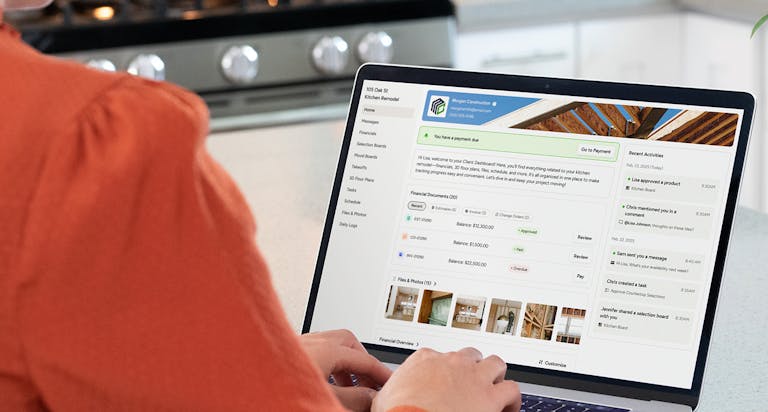
Carpenter invoice templates are a great tool to help you get started with invoicing. But to streamline your invoicing process over time, consider using technology platforms that automate and simplify the process. User-friendly options such as Houzz Pro business software offer tools more advanced than downloadable templates to help you run your carpentry business more efficiently.
Invoice and billing software lets you easily sync invoices, purchase orders, estimates, and proposals. You can set up automated payment schedules and accept payments and deposits online from any device, and it helps you better understand the financial health of your business by tracking income, costs, and profitability. Explore the invoicing features of Houzz Pro invoice and billing software for carpenters.

Final Carpenter Invoicing Tips
- Ensure pricing is documented - While you will not need to include them in the invoice, make sure you have documentation to support your billing should any questions arise. A well-prepared and accurate invoice builds trust and credibility with your clients.
- Use a tracking tool - Use an accurate time and expense tracking tool throughout the project, so that you have the information at hand when you draft the invoice.
- Pay attention to details - Ensure that the details are clear and transparent, so there are no surprises for your clients. The more detailed and organized your invoice is, the easier it will be for your clients to understand the work and the costs associated with it. This also helps avoid delays in receiving payments.
- Consider requesting deposits - Asking for a deposit before work begins provides revenue to your business and helps ensure that your client is committed to the project.
- Offer payment schedules - Help both you and your clients manage your budget by offering payment schedules throughout the life of the project.
- Explore invoice management software - Technology can help you with the tedious tasks of creating, organizing, and tracking invoices. This is a job that gets bigger as your business grows, and management software can do it more efficiently.
- Keep invoices secure - Invoices should be stored in a safe and secure place, so they can be accessed in the future and protect the privacy of both you and your clients.
- Follow up on past due invoices - If the due date passes and you haven't received the payment, follow up with a friendly reminder. Your client may have simply forgotten to pay. Then, if the invoice still is not paid within a reasonable time, send a more formal request. Maintain a record of all communication regarding the invoice in case of any disputes or misunderstandings.
- Ensure payment terms are clear - Provide clarity on the payment terms, so that everyone is on the same page of when a payment is due and which fees will be charged if payments are late.

Conclusion
Invoicing is a key part of running and growing your carpentry business. Ensuring that your invoices are professional and accurate will not only help you get paid faster, but also provide transparency to your clients and financial record-keeping for your business. Today, tech tools can help you do invoicing more quickly and run all aspects of your business more efficiently. Every minute you save on administrative tasks is a minute you can invest in improving your craft and serving your clients.
Explore our invoicing features with a free trial of Houzz Pro carpenter software trusted by more than 3 million industry pros. Explore more tips for growing your carpentry business and How to Do a Carpenter Estimate.


Want advice delivered to your inbox?
Unlock industry insights and updates for contractors and design pros
By signing up, I agree to the Houzz Terms of Use and Privacy Policy and that Houzz may use my information to contact me about relevant content, products, and services.