What Do Construction Workers Do? The Complete Career Path Guide
Dive into the world of construction workers with our ultimate guide. Explore responsibilities, pros, cons, hours & pay to see if it could be the career for you.

If you’re interested in exploring possible career paths in construction, you’re in the right place to learn what construction work is all about, pros and cons, and to help you decide if construction work is right for you. This construction career guide will also cover key details of the job, such as the work environment, how construction workers get paid, the requirements for working in construction and more.
Click a link below to jump to the section you're interested in:
- What do construction workers do?
- Is construction a good job?
- Pros and cons of working in construction
- Construction worker job environment
- How do construction workers get paid?
- How many hours do construction workers work?
- Are construction workers in demand?
- What do you need to be a construction worker?
- Do you need experience to be a construction worker?
- Should you become a construction worker?

What do construction workers do?
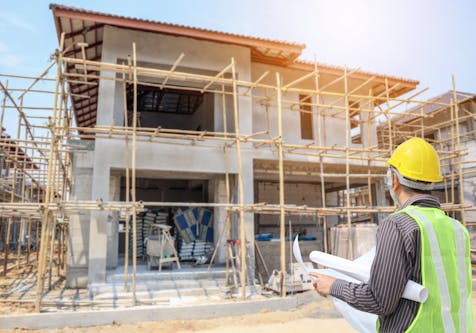
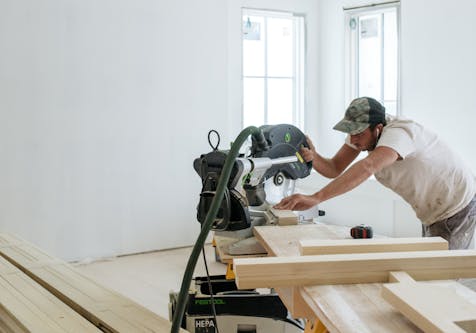
Before we get into what construction work entails, we need to first know: what do construction workers do? In short, construction workers perform a range of skilled physical labor and tasks relating to building or removing a structure.
Construction worker responsibilities
- Preparing the jobsite
- Erecting scaffolding
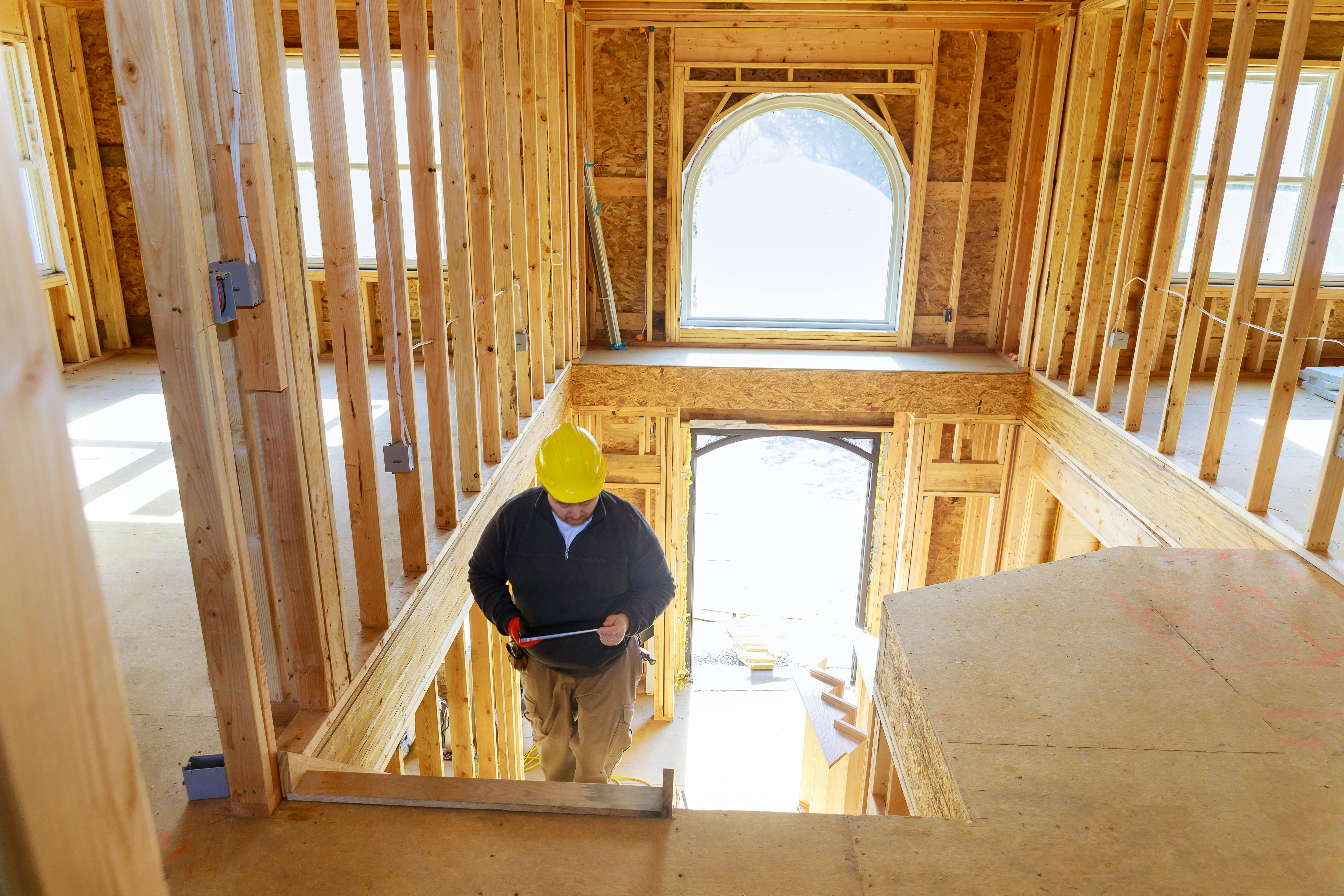
- Building framework
- Installing drywall, fixtures and fittings
- Operating machinery
- Tearing down structures
- Assisting the work of others, such as carpenters, painters, and electricians
Check out Construction Job Titles to learn more.
Now that we know some of the main construction worker tasks and responsibilities, what do construction workers build? Construction workers build anything from residential homes and businesses to skyscrapers, pipelines, roads, tunnels and more depending on their specialties and the type of project at hand.
If you’re wondering, “How do construction workers know what to do for each particular job?,” crew members will typically be managed by a construction manager or foreman who will guide the process by relying on the project plan, blueprints and guidance from the architect, as applicable.
Is construction a good job?
It’s important to ask, is construction a good career and is working in construction worth it, before pursuing education, training and potential entrepreneurship in the field. So, is being a construction worker a good job?
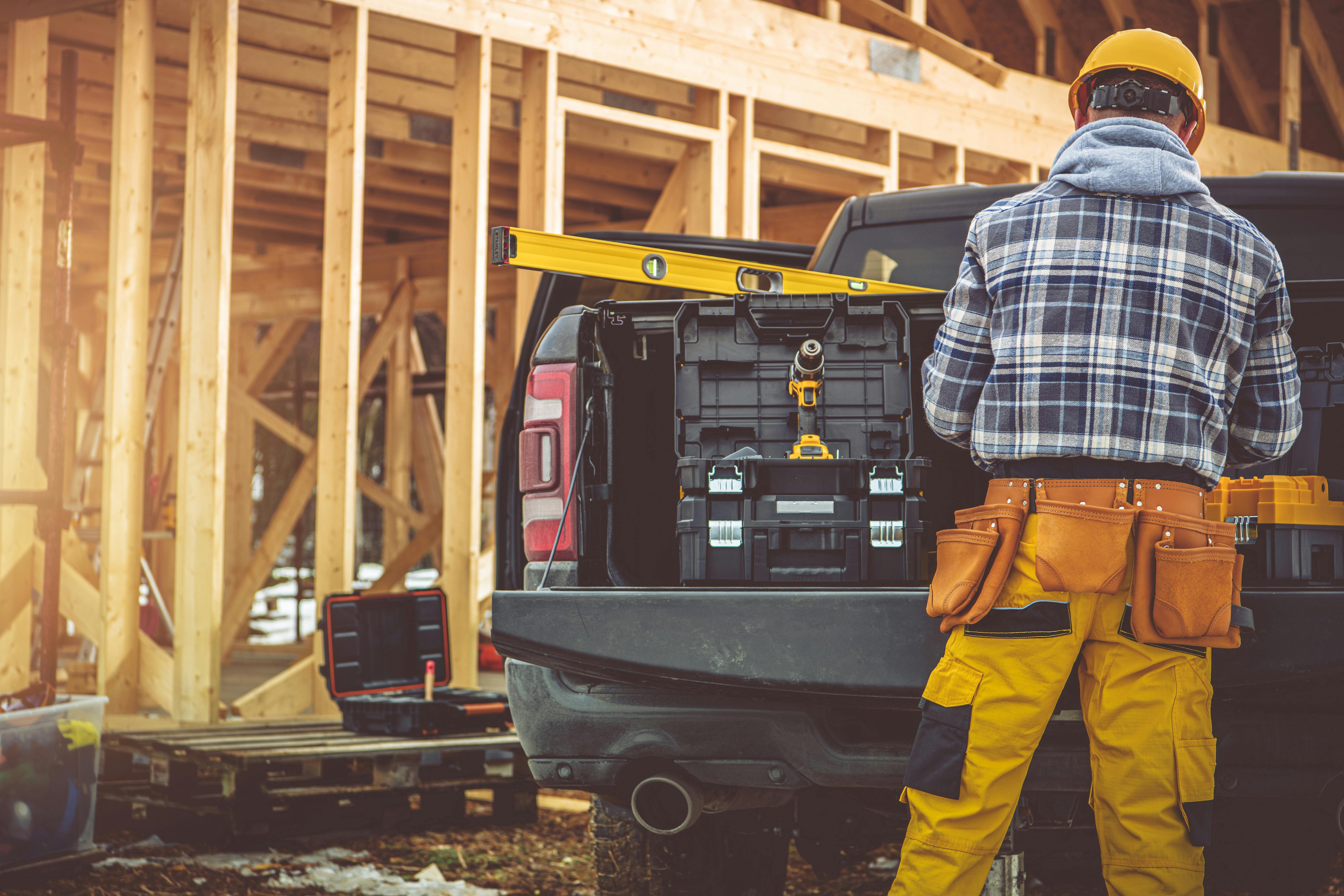
Here are a few reasons why most construction workers decide to pursue this career and why construction is a good career:
- It can pay well
- You can get trained relatively quickly compared to other careers
- Less barriers to job force entry (time, cost of training/education, etc.)
- Strong job security and demand
- Good benefits
But in order for you to fully answer for yourself, “Is working construction a good job?,” you’ll need to know the pros and cons of working construction, which we’ll explore below.
Pros and cons of working in construction
Pros:
- Good wage
- In-demand work
- Less educational requirements; ability to enter the workforce more quickly
- Potential for benefits, sick leave, and overtime pay
- Opportunity to work on a variety of projects
- Able to learn new skills on the job and through training
- Varied schedules; not typically 9-5
- Active, physical work versus sitting at a desk
- Ability to work outdoors and wear casual/rugged work attire
- Opportunities for career advancement and entrepreneurship
Cons:
- High pressure (demanding deadlines and challenging environment)
- Projects can be short-term and unpredictable
- Working environment includes higher risks and occupational safety hazards
- Odd/irregular hours (working early in the morning, late in the evening, and/or on weekends, as needed)
- Physically demanding labor
- Challenging to continue as you age due to injury risks and physical requirements

Construction worker job environment
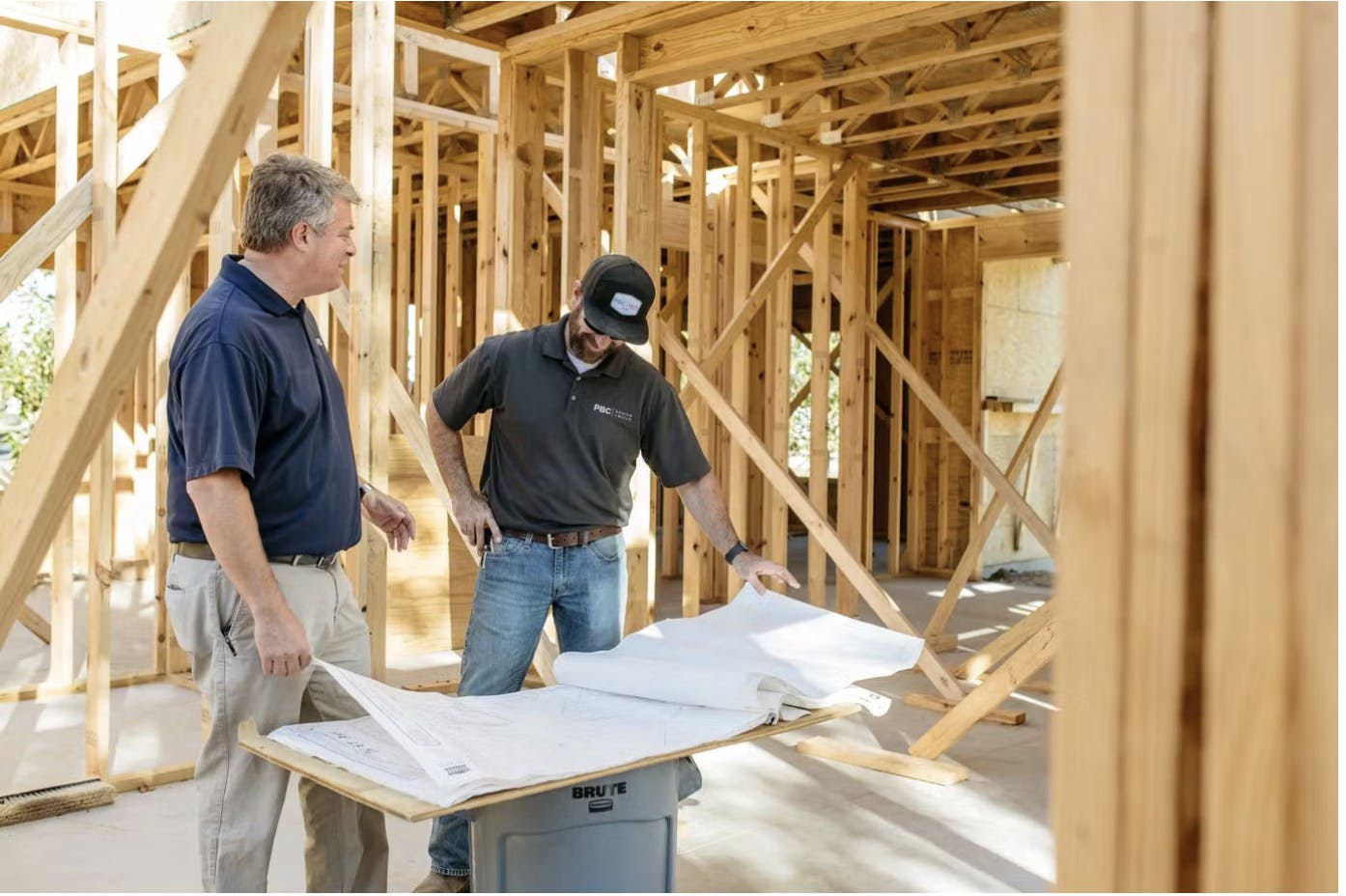
So, where do construction workers work? Construction workers typically work outdoors on residential or commercial building sites or even on roadways, highways and underground. Often, construction workers will be required to work on structures that are two or more stories high (such as skyscrapers) and in various kinds of weather.
How do construction workers get paid?
We’ve mentioned some of the benefits of construction work, including good pay, but in today’s market do construction jobs pay well and exactly what do construction workers make an hour?
According to the U.S. Bureau of Labor Statistics, in May of 2022, the national mean hourly wage for construction laborers was $22.29 and the mean annual wage was $46,350. To compare, the annual mean wage in May 2022 was $61,900 amongst all U.S. occupations. So while construction isn’t one of the highest paid occupations, it is a strong contender, especially considering the less time it takes to complete education and training to enter the workforce. Construction workers also have the opportunity to earn more if they advance their skills, take on management roles or start their own businesses, as the 75th and 90th percentile of construction laborers earned $51,200 and $72,430 in May 2022, respectively.
Want to know which construction job pays the most? Higher-paid construction worker jobs include construction managers, electricians, carpenters, plumbers, heavy equipment operators, and elevator installers, amongst others. Conversely, some of the lower-paid construction jobs include cleaning crew members, general laborer, installers (floor, tile, insulation), and painters.
So, how and when do construction workers get paid? Construction workers can be paid each week or on a bimonthly or monthly basis depending on your company’s payroll schedule. If you’re a self-employed construction worker, you’ll get paid through a regular paycheck or direct deposit after invoicing your client/company you’re working with, but you’ll need to pay your own income tax. If you’re hired as a W2 employee, your employer will withhold your income tax.

How many hours do construction workers work?
One of the pros of construction work is having a varied schedule, but how many hours do construction workers work a week? According to Federal Reserve Economic Data (FRED®), the average weekly hours for U.S. construction workers in January 2023 was 39.2, though this can obviously vary between jobs and months.
If you want to know when construction workers work, the typical range is 7-8 hours per day with time for breaks and lunch, usually starting in the early morning (before 9:00 a.m.), but this can also change seasonally. If you’re a W2 employed construction employee, your employer may offer you full or partial benefits, as well as provide paid time off and sick leave. Construction workers who work more than 40 hours per work will qualify for overtime pay, which will be one-and-a-half times your regular pay rate.

Are construction workers in demand?
The Bureau of Labor Statistics reports that construction work employment will grow four percent nationwide through 2031, which is about the same on average for other occupations. Still, there may be more demand at different times in certain states and regions (for workers who are able to travel/relocate for work), as well as more job opportunities as older workers retire.
What do you need to be a construction worker?
You might be wondering, what is required to be a construction worker? Here’s a quick breakdown below of the main criteria—from answering questions like, “What education do you need to be a construction worker?” to “What skills do you need to be a construction worker?”
General requirements to become a construction worker
- Be over 18 years old
- Have a high school diploma
- Be able to carry out manual labor and a variety of physical tasks
Education requirements to become a construction worker
Though formal education isn’t required for construction work, the following education pathways can be highly beneficial to a career in construction.
- Apprenticeship
- Community college
- Trade school
- Certification programs
- Bachelor's and/or Master’s degrees for more advanced expertise
Check out our guide to Top Construction Schools.
Skills required to become a construction worker
- Physical strength
- Manual dexterity
- Ability to follow directions and plans
- Measurement and mathematical skills
- Technical expertise for key project areas
- Tools and machinery operational abilities

Do you need experience to be a construction worker?
Many people who are new to the construction field ask, “Can I work construction with no experience?” While it's possible to find some work in construction without prior job experience, to create a strong career path and more viable, profitable, and long-term opportunities, it’s best to pursue some form of education, training, certification, or apprenticeship in construction to learn more about the trade. This will not only help you set yourself apart in the job market, but will also allow you to discover the area(s) of construction you’re skilled in and feel most passionate about.
Learn more about Construction Certifications.

Should you become a construction worker?
At this stage, you’re probably wondering, is working in construction worth it?
Here are a few more reasons you may not have considered why construction is a good career:
- Ability to learn on the job
- You can advance your career based on your unique goals/areas of interest
- What you put in is what you get out (ability to earn more through your effort)
- Non-traditional work life: able to work outdoors, on a different schedule than 9-5, and not wear a “suit and tie”
- Opportunities for self-employment and entrepreneurship
Conclusion:
Whether you’re new to the construction industry or an experienced construction worker or business owner, learning construction business management software like Houzz Pro can save you time and money and help advance your career. Sign up for a free trial!
If the ins and outs of construction work sound like they could be right for you, explore our next guide on How to Get Into Residential Construction.


Want advice delivered to your inbox?
Unlock industry insights and updates for contractors and design pros
By signing up, I agree to the Houzz Terms of Use and Privacy Policy and that Houzz may use my information to contact me about relevant content, products, and services.