How to Start Your Own Construction Business: All of Your Questions Answered
Lay the groundwork for a successful building business with this comprehensive guide

Wondering how to start a construction business? You’re in the right place. Here we share 16 steps to get your company from vision to fruition, explaining each in detail so nothing will fall through the cracks. Whether you want to learn how to start a small construction business or you have your sights set on something bigger, this guide will give you a solid foundation for success.
Click one of the links below to jump to the section you’re most interested in:
- Identify your niche
- Conduct market research
- Write a business plan
- Name your company
- Decide on a business entity type
- Register your business
- Get licenses and permits
- Get insurance
- Set up your business to receive and send funds
- Get funding
- Understand tax implications
- Prepare a safety plan
- List equipment needs
- List labor needs
- Choose construction business software
- Find your first client
How to identify your construction niche
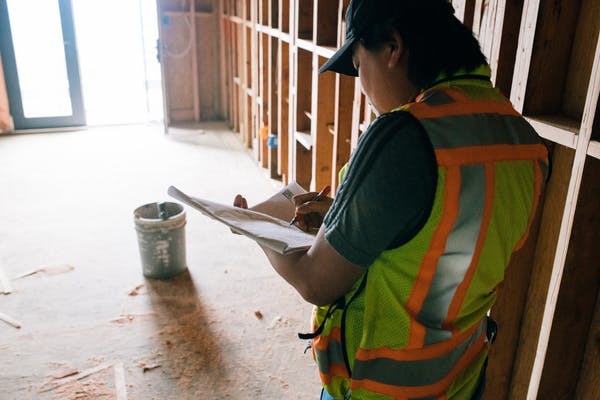
The first step in figuring out how to start your own construction business is to decide which type of construction work you want to focus on. Identifying your niche will allow you to choose the types of projects that best suit your skillset and your new business’ goals. There are three main types of construction businesses:
- Residential: Involves building, renovating, altering or adding on to single-family homes, multifamily homes or apartment buildings that are no more than four floors high. Three subsets of residential construction are:
undefinedundefinedundefinedundefined - Commercial: Involves building, renovating, altering or adding on to commercial structures. Examples include offices, retail stores, manufacturing plants and medical centers. Projects are typically categorized as being small, medium or large in scale.
- Infrastructure: Involves building, renovation and maintenance of structures and elements related to services, facilities and systems. Examples include electricity, telecommunications and water facilities; railway tracks; petroleum pipes; and roads.
You can also specialize within any one of the above niches. For instance, “green” or sustainable construction is a popular specialty. Kitchen and bath construction is another.
We’ll be focusing on general residential construction here.

How to conduct construction market research
When you’re learning how to start a residential construction business, it’s imperative to conduct research in certain areas so you’re not just guessing at what clients want and what the local economy and region will support. To make it easier, focus on each area individually. For example:
- Your intended geographical market
- Competitors
- The local client base
- Local building trends
It’s not hard to do this research on your own, thanks to all the resources out there. All you need is a computer and the knowledge of where to look. For instance:
- The U.S. Small Business Administration (SBA) offers lots of information on conducting market research and doing competitive analyses and much more in its Business Guide for general businesses.
- The National Association of Home Builders (NAHB) offers many resources including info on industry news, economic analyses, and more
- The U.S. Bureau of Labor Statistics (BLS) lets you search typical salary ranges and other economic info
- Put out questionnaires and surveys on social media or mailing lists. This is a great way to find out what people really want. You can also join relevant social media groups and get plenty of info without even posting.
- Do an internet search for “residential construction companies + [your area]” to find competitors. Once you’ve identified them, you can check out their websites and social media to see what types of homes and projects are locally popular and what the typical price ranges are.
- Attend industry events and/or search their websites as well as other industry websites for published findings. For instance, Houzz offers a number of regularly updated research reports and IBISWorld offers data on industry trends.
How to write a residential construction business plan
A solid business plan is essential to the success of any business. Even if you’re trying to figure out how to start a construction business with no money, you’ll need to have an idea of how much investment capital you’ll need and how to budget for your projects. Your residential construction business plan should include the following components:
- Executive summary: In one or two pages, summarize your business through a bio, goals, and mission statement.
- Company overview: Describe the founder(s), share your values statement and what makes your company different, and specify the type of business entity (we’ll explain that later)
- Market analysis: Use the research you did in the previous step to show a clear demand and how your company can satisfy it.
- Business structure: More detail about the type of business entity, including whether there are shareholders, what the organizational layout looks like, and the current or planned number of employees.
- Products and services descriptions. Will you do only new builds, specialize in kitchen and baths, or offer eco-friendly solutions, for example? You can also include how you’ll charge for your services (lump sum, unit price, or cost plus) and if you have any existing relationships with vendors or subcontractors.
- Marketing and sales plan: Include what types of platforms you’ll have a presence on, advertising you’ll be using, any existing email lists, any other ways you’re planning to reach potential clients, and how you’re planning to turn leads into clients.
- Financial plan: Included projected income and expenses, cash flow forecasts, and any debt obligations (investments, loans, and so on).

How to name a construction company
Even if you’re starting a construction company with no experience, you can come up with a great business name. Put some thought into it, because figuring out how to name a construction business is important in terms of both branding and appearance in internet search results. Your market research will help you come up with a name that will draw clients, and you can either get creative or take a more straightforward approach using just your name and/or the types of projects you’ll be focusing on (for example, Family Homes by Fred).
Ideally the name should indicate what your business is, but your own full name alone might be fine if you’ve already built a reputation. Do a trademark search and also a general internet search to make sure you’re not infringing on someone else’s name either legally or informally. Even if a business doesn’t hold official rights to a name, it can cause confusion among customers if you have the same or a similar name.
What is the best business entity for a construction company?
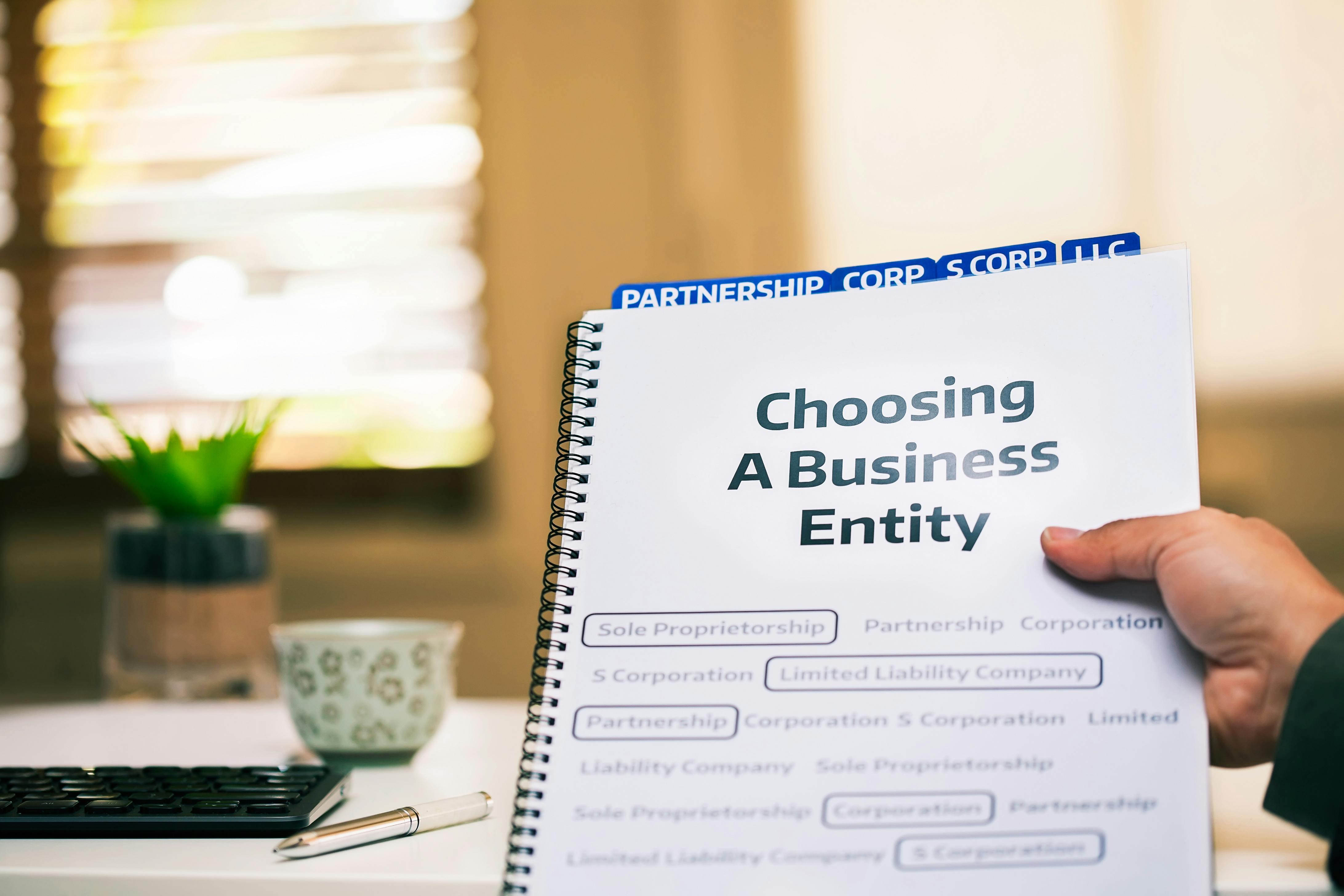
You might have a lot of questions at this stage. For example, “Can a construction company be an LLC”? Or, “Is it better to be an LLC or an S Corp for construction?” Choosing the best business entity for a construction company requires consulting a tax professional, because each type has its own tax implications and reporting requirements. However, a sole proprietorship is not recommended, as it exposes you to personal risk (see below).
- Sole proprietorship: Your business is under your own name and social security number. If you get sued or owe any debt, your personal assets (home, car, and the like) will be on the line.
- LLC (limited liability company): You get certain asset protections and can choose to be taxed as a partnership or a corporation. This is the easiest option in terms of reporting requirements and calculating taxes. Be sure to check out the full construction LLC requirements with your local governing body if you decide to move forward with this entity.
- C Corp: Owners and shareholders have limited liability, and the business is a separate taxable entity. It involves several reporting requirements as well as holding regular meetings. One plus is that you can sell stock in the entity to raise capital.
- S Corp: This is technically a tax status rather than an entity type. So, for instance, your business can be an LLC that’s taxed as an S Corp. It can result in tax savings depending on profit amounts, but also has reporting and other requirements.

How to register a construction company
While it’s not strictly necessary if your company is a sole proprietorship in your own name, it’s important to register your construction company as a legal entity to get certain liability protections, legal benefits and construction business tax deductions. Construction company registration requirements are the same as or similar to the requirements for other types of businesses; for most small businesses, you just need to register your business name with the local and state governments.
First get a federal tax ID number (TIN) or employer tax ID number (EIN) through the IRS. You’ll need it for paying taxes, hiring staff, opening bank accounts and applying for business licenses.
LLCs registration is handled at the state level, but corporations need to file with the federal government, again through the IRS (see Form 2553). Then you also need to register with state and possibly local governments; consult the SBA and local government websites to find out your locale’s requirements.

How to get construction licenses and permits
If you’re starting a construction company with no experience, you might not be aware that you need licenses and permits. Without them, your business could be subject to fines or other penalties and even closure. Permits are evidence of permission granted at the state and/or local level for, among other things, hauling certain types or sizes of materials, or if your vehicle is overweight or oversize.
Licenses are granted for operating the business itself. In most states, you’ll need at least a general contractor’s license. If you’ll be doing a specialty service such as carpentry, painting, electrical, roofing or HVAC work, you might need a specific license for that as well.
You can check what licenses and permits are needed and apply for them on the SBA website as well on other government websites.

How to get construction business insurance
Any guide on how to start your own construction business wouldn’t be complete without a section on insurance—because without insurance, even just one lawsuit from a disgruntled client, worker or investor can mean the end of your business. Don’t lift even a finger on a project without having insurance. For full protection, you’ll need both general and specific types of insurance:
- General liability: Covers job-related accidents and injuries as well as property damage
- Property: For your business’ physical location, if it has one. Covers things like theft, accidents on the premises, property damage and damage due to natural disasters
- Vehicle: The same as for your personal automobile, you’ll need insurance for any construction vehicles, including equipment (if you rent these, you might be able to pay extra for insurance through the renter versus having your own policy).
- Worker’s compensation: While general liability insurance covers jobsite accidents, it doesn’t cover things like lost wages and long-term medical care. For those, you’ll need worker’s comp insurance.
- Unemployment: Covers workers in the event that they’re laid off or the company closes, providing monetary compensation.
- Disability: The state will provide financial assistance related to loss of wages from long-term job-related injuries.

Set up your business to receive and send funds
Think about not just how clients will pay you but how you’ll pay vendors, subcontractors and any employees. First you’ll need a dedicated business bank account, which requires a TIN or EIN (see above). Be sure to check any fees that will be charged; most business bank accounts have a minimum monthly service charge, and some charge for every check deposited or financial transfer as well. If you’ll be taking credit card payments, you’ll also need to get set up with a payment processor (tip: Houzz Pro allows you to take both credit card and ACH payments online).
In addition, decide which billing method(s) your business will use and study up on how to price your construction jobs so you turn a healthy profit.

How to get funding for a construction company
Start-up costs might sound prohibitively high if you’re working out how to start a construction company with no money. But even if you’re taking a thrifty approach, it’s essential to make sure you always have enough working capital to cover the amounts you’ll need to lay out for materials and supplies, office overhead, and payments due until the client pays you. Luckily, there are a number of sources to possibly tap as you figure out how to get funding for a construction company.
- SBA and other small business loans. While they can be hard to get and require lots of paperwork, SBA loans are a great option to try for due to their low interest rates and generous terms. Three of the most common are:
-7(a) loan program: Up to $5 million, and can be used for a variety of business-related purposes.
-Microloans: Up to $50,000 and can be repaid over as many as six years.
-CDC/504 loans: Up to $5.5 million for purchasing fixed assets such as heavy machinery. Can be repaid over 10 or 20 years.
Many lenders both locally and nationwide offer small business loans as well. You can find out about these via internet search; be aware that terms can vary widely.
- Working capital loans: To cover day-to-day expenses such as office rent and payroll. These include lines of credit through a financial institution.
- Vendor financing: Individual vendors may offer short-term financing/payment plans at varying interest rates, generally between 1% and 6%; be sure to read the fine print on the terms of repayment.
- Equipment loans: For purchasing machinery; the amount loaned must go directly to the cost of the machinery. The equipment’s value serves as collateral, so this is a good option if you have no other collateral or a not-ideal credit score.
Tip: Networking can be a great way to get advice about financing from those who have “been there, done that.” Check out our handy guide to networking in construction for ideas.

How to understand your construction business tax obligations
Keeping accurate tax records and paying the government what’s owed are essential to running any business. Here we’ll share some a bit specifically about construction business taxes, including letting you know about some construction company tax deductions.
While it’s important to consult a tax specialist for your particular needs, and this article should not be treated as legal advice, we can offer some general guidelines. First, know that you must file tax returns with the government and pay taxes on all income received, including in the form of bartering, whether the projects are “side jobs” or are done through your main business, and whether you’re paid in cash or any other form of compensation.
Federal tax obligations are, of course, standard across the country, and you can find info about that on the IRS website. State and local taxes vary by locale, so check the website for your region. In some cases you might have to pay sales tax as well as income tax. Be aware also that you might have to pay taxes quarterly based on estimates of what you’ll earn, and there can be penalties for not doing so.
A number of construction business tax write-offs are available. Again, while it’s important to consult a tax specialist, deductions often include:
- Business licenses
- Office rent and utilities
- Car and truck expenses
- Advertising/marketing
- Employee salaries
- Trade association dues
- Supplies
- Continuing education
- Certain tools and equipment items
- Certain clothing items, such as steel-toe work boots
Long-term assets, such as heavy machinery and property, must be depreciated over the course of their lives, meaning you take the deduction in increments versus all at once upon purchase.

How to prepare a construction safety plan
No one ever plans to get injured, but especially in an industry where workers can sustain serious job-related injuries, it’s critical to have a safety plan in place before you begin any work. It should include, at a minimum:
- A detailed list of safety practices, such as the proper use of machinery and what types of gear to wear for performing work
- How and when safety trainings will be conducted, and what they will include
- How and when workers will take regular breaks to prevent fatigue that can lead to accidents
How to know what equipment you will need
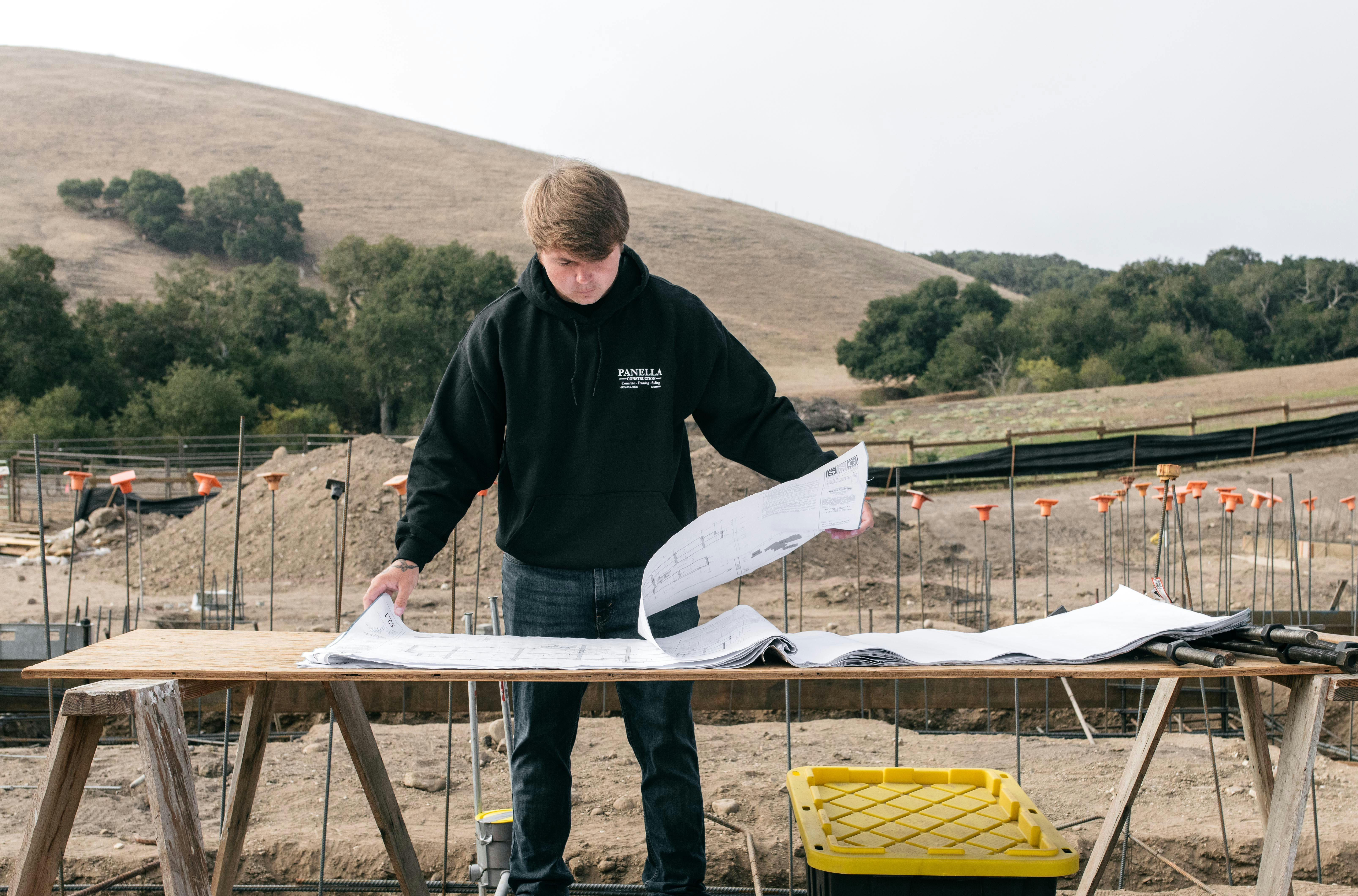
If you already have industry experience, you might have a good idea of what tools and equipment you’ll need. If you’re learning how to start a construction business with no prior experience, you might be surprised at how many items are needed. This list will get you started, but the specific items you’ll need will of course depend on the exact type of project.
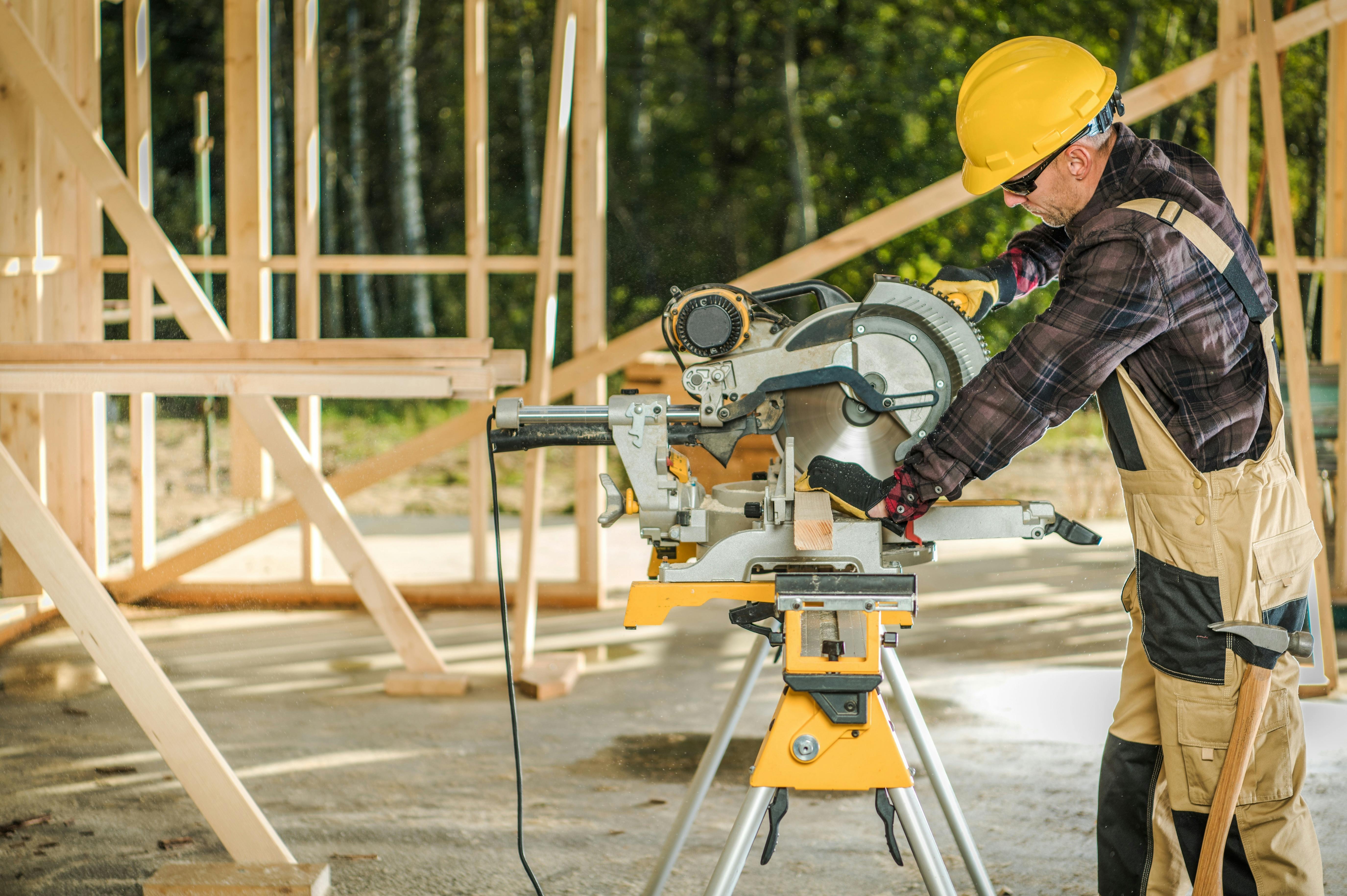
- Safety equipment (hard hats, safety goggles, work boots, gloves, etc.)
- Saws and cutters (circular saw, hand saw, jigsaw, bump cutter, chisel, etc.)
- Hand tools (hammer, screwdrivers, wrenches, nail gun, power drill, pliers, caulk gun, utility knife, crowbar etc.)
- Excavation and demolition tools (pickaxe, rammer, jackhammer, hoe, shovel, sledgehammer, etc.)
- Bigger equipment—although renting some of these might be more practical (such as a generator and a cement mixer)
- Miscellaneous (toolbelt, measuring tape and wheel, sawhorse, stud finder, levelers, wheelbarrow, plumb rule, adjustable spanner, air compressor, etc.)
- Software—this might be one of the most important “tools” you can use. For instance, Houzz Pro software has myriad features for making every aspect of construction work easier, such as creating estimates and takeoffs, sending invoices and collaborating with clients and team members. See more on software below.
How to know what labor you’ll need
You might be able to do small jobs yourself, but bigger jobs require a team and delegating tasks. Subcontractors, whether in-office bookkeepers or jobsite tileworkers, are essential for most construction businesses—even if you’re learning how to start a small construction business versus a bigger one.
See our guide to construction job titles for more details, but in general staff and subcontractors are divided into upper management (planning and design), middle management (supervisors), and workers (general contractors and specialty trades). Many roles can be hired out versus hiring someone as an employee. Common roles include:
- Architect
- Project manager
- Foreperson
- Scheduler
- Estimator
- Surveyor
- Bookkeeper/accountant
- Engineers (structural, field, construction, civil, electrical, safety)
- Equipment manager or operator
- Inspector
- General laborers
- Subcontractors (carpenters, electricians, plumbers, joiners, roofers, etc.)
- Assistants
And since you’re starting from scratch, check out our guide on how to recruit for residential construction.

How to choose construction business management software
The right software won’t just make your job easier; it’ll increase the accuracy of all of your calculations, let you easily analyze your business’ finances and keep your clients and team members happier and more in the loop. So even if you’re working out how to start a construction business with no money, investing in software will pay for itself in the long run. Look for something that can help you with everything from organizing your leads to taking payments. It’s especially important that the software is easy to adopt (that is, it has a low learning curve) and that it includes:
- Tools for creating takeoffs and estimates
- Features that promote collaboration
- Cloud-based storage and other features
The ability to use the software on a mobile device also is essential, so you can work whether you’re in the field or at a desk. For construction management software, you can’t beat Houzz Pro, which has all of these features and capabilities and more. Try it free today to put your new construction business on the path to success!
How to find your first client
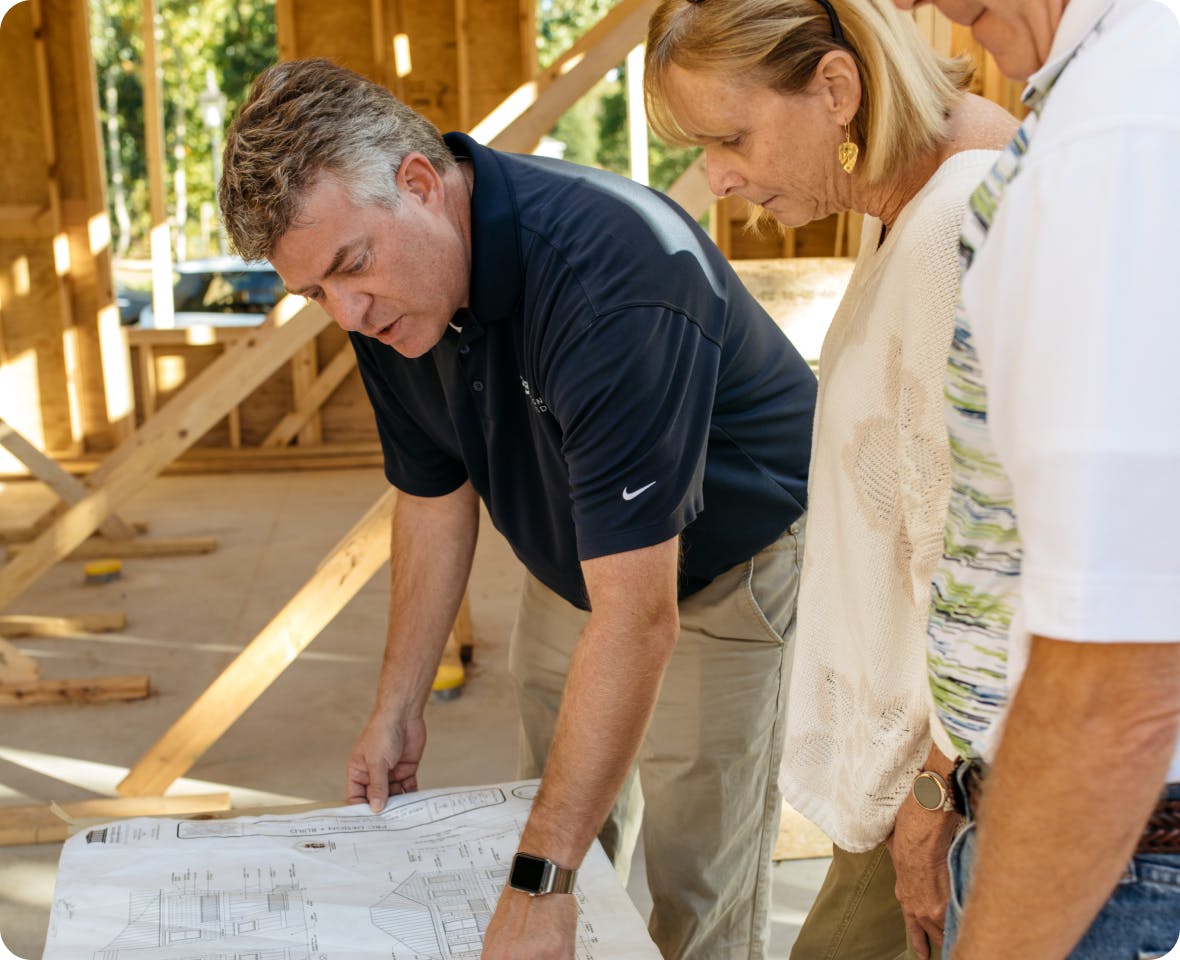
You can’t ignore the importance of getting the word out as you learn how to start your own construction business. And this involves a number of possible channels:
- Advertising: Such as online and through print publications. See our guide to advertising in construction for several ideas.
- Social media: Learn how to boost your presence with our guide to social media for construction pros.
- Email marketing: It might take you a while to build up a list, or you might buy another company’s email list. See our guide to email marketing, which covers everything you need to know, including how to start an email campaign.
Check out our comprehensive article on ways to increase sales too!
Conclusion
Whether you’re still asking yourself, “Should I start a construction company?” or you’re raring to go, all of the above steps will put you in good stead for the best results. The next step, once you’ve hung out your company’s shingle but before you’ve taken on that first client, is to learn all about the construction project workflow.


Want advice delivered to your inbox?
Unlock industry insights and updates for contractors and design pros
By signing up, I agree to the Houzz Terms of Use and Privacy Policy and that Houzz may use my information to contact me about relevant content, products, and services.