Free Flooring Invoice Template and How-to Guide
Calling all flooring contractors! Level up your invoicing game with our flooring invoice example and try our downloadable flooring installation invoice template.

This content was originally published Sept. 17, 2023, but was reviewed May 20, 2026, and is up to date.
Invoicing is a key part of any successful flooring business, but sometimes it is difficult to know where to start in creating invoices for your business. In this guide, we provide a step-by-step approach for flooring contractors to quickly and easily create their own flooring job invoice. Our tips apply no matter if you are installing flooring or provide a similar niche service, such as removing old flooring or creating custom decorative flooring.
They work for every kind of flooring material whether it is hardwood, laminate, and more. We also include an example flooring invoice and a free downloadable flooring invoice template that you can customize to make it unique to your business and needs. By following this guide, you'll be able to get your flooring invoices out quickly, helping you to get paid faster.
Click on a link below to jump to the section you’re most interested in:
- Download our free flooring invoice template
- What is a flooring invoice?
- Why are flooring invoice templates important?
- When do you send a flooring invoice?
- What should be included in a flooring installation invoice?
- Optional sections to include in a flooring invoice template
- How to create a flooring invoice template step-by-step
- Alternatives to flooring invoice templates
- Final flooring invoicing tips
Download Our Free Flooring Invoice Template
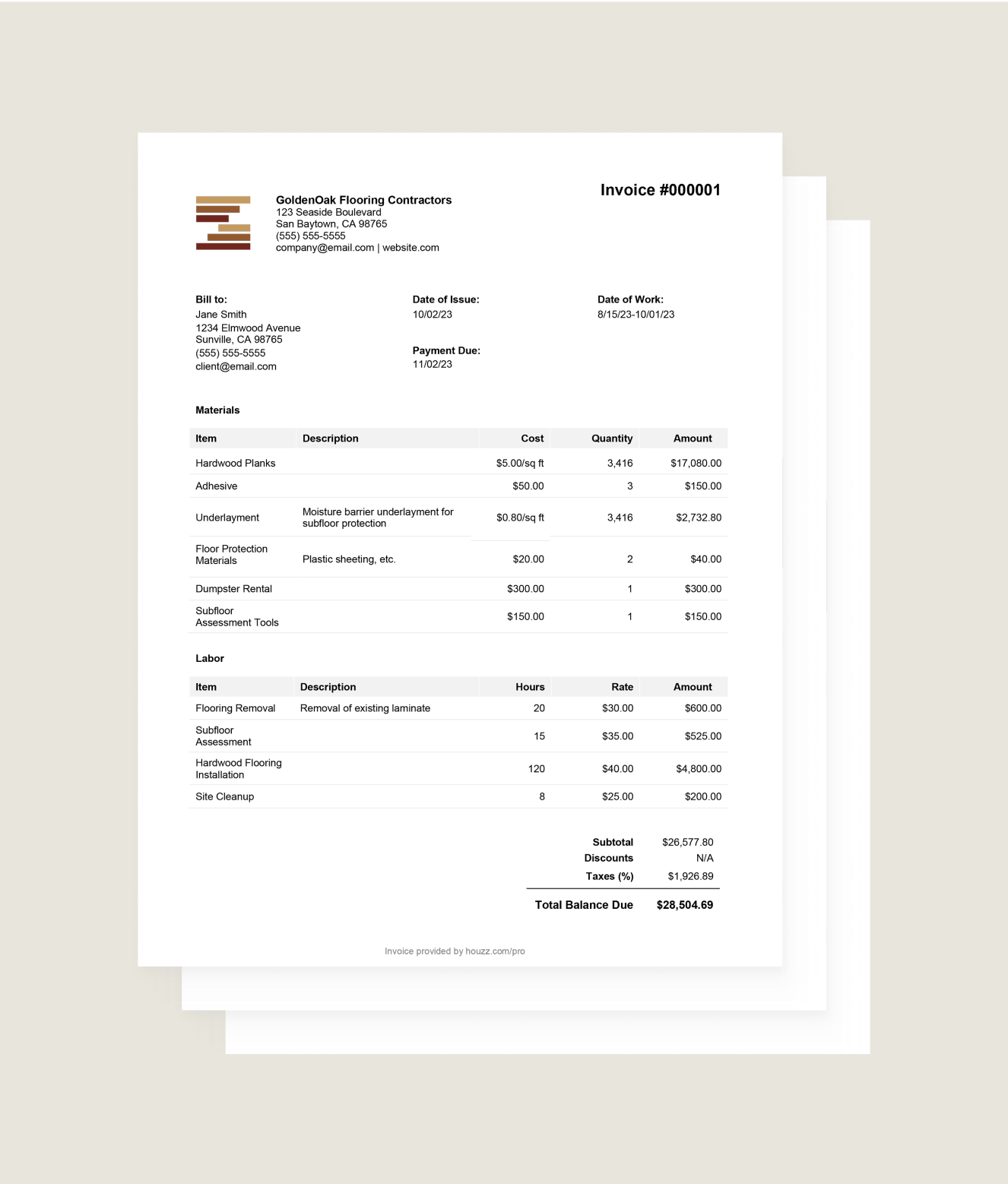
Get Started With This Free Flooring Invoice Template
Fill out this Flooring Invoice Template to get paid.
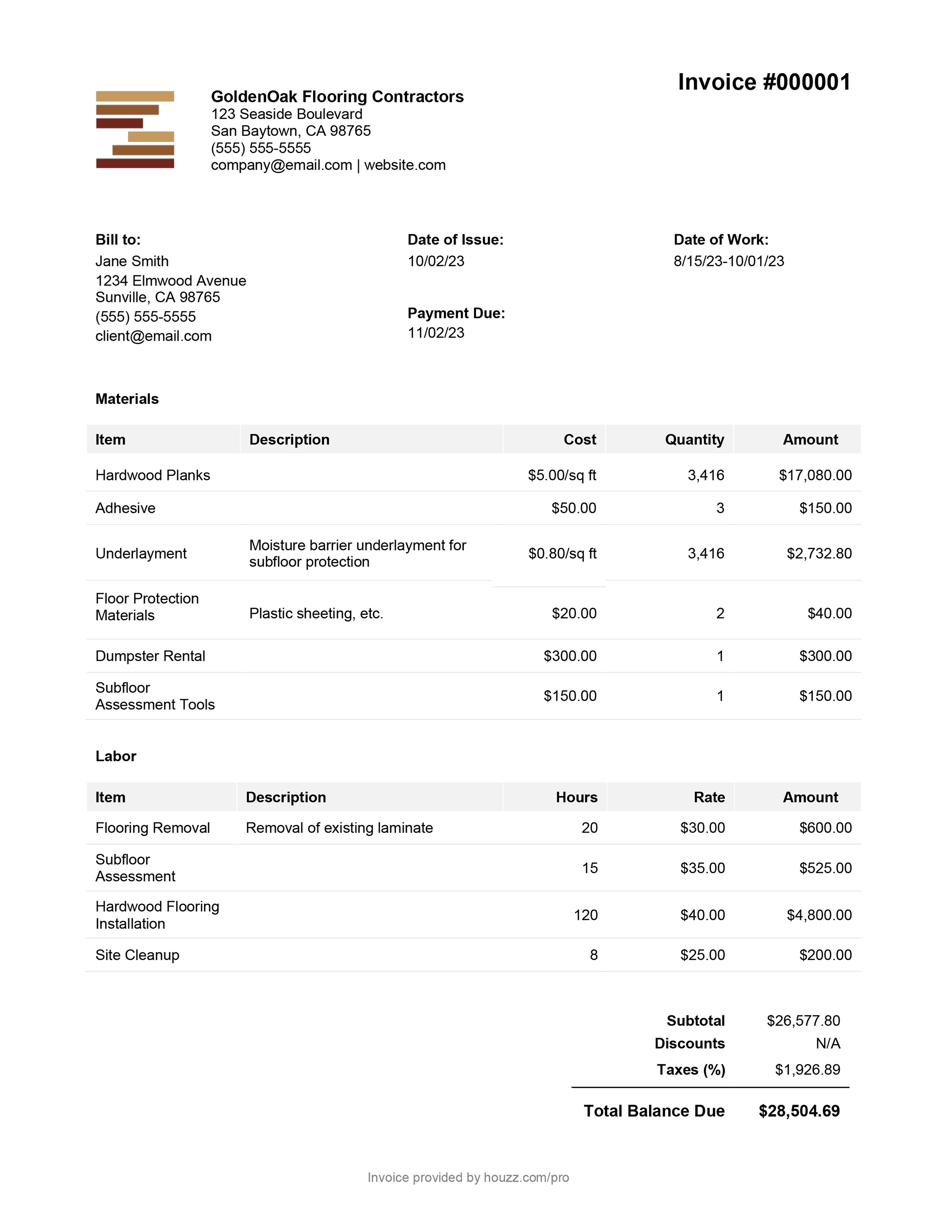
With a long checklist of the things you need to do to start a new business, or grow your current one, ensuring that you get paid promptly is one of the most important ones. Learning how to do a flooring job invoice does not have to be intimidating. Flooring invoice templates are a great way to start because they serve as a guide, showing the elements to include in a flooring invoice.
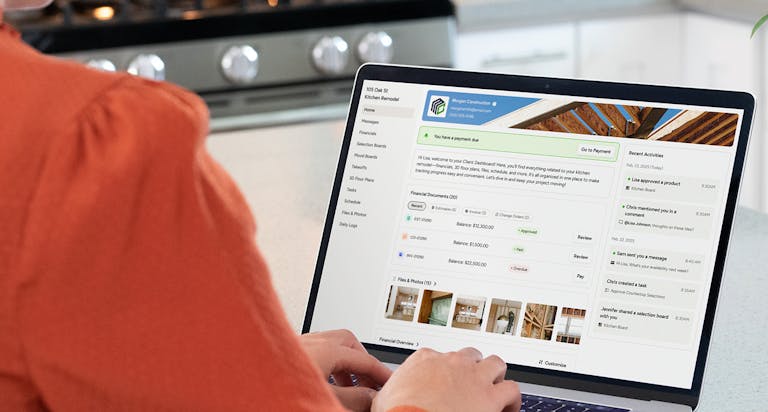
Flooring invoice software is another option. It helps you create invoices even more quickly and track them after you send them to clients. Flooring contractors use Houzz Pro business software to do invoicing and run their entire business more efficiently, so they have time to focus on the work they love and growing their business.
Explore more invoice templates for flooring contractors with a free trial of Houzz Pro.

What Is a Flooring Invoice?
A flooring invoice serves as proof of the work you've done and provides a clear breakdown of the charges incurred, including materials and labor. Often referred to as flooring bills or receipts, invoices are often sent at various times during the project lifecycle, depending on the terms and conditions contractors set with their clients. Every invoice also includes the total balance due for the cost of the project and when and how it should be paid.

Why Are Flooring Invoice Templates Important?
Sending a detailed invoice for your flooring job is crucial to the success of your business. Here are some of the benefits:
- Documentation - A flooring invoice serves as a record of the services provided and the costs associated with those services, but it also acts as a legally binding document that outlines the terms of payment between you and your client.
- Get paid faster - Delivering invoices regularly and promptly helps ensure that you get paid fairly and quickly for your hard-earned work.
- Resolving disagreements - Having a well-prepared and detailed invoice can also help settle any disputes or misunderstandings about the services provided and the amount owed.
- Increase credibility - Providing a professional and accurate invoice enhances your credibility and reputation as a contractor. Clients appreciate receiving clear and organized documentation of the work completed, and it reflects positively on your professionalism and attention to detail.
- Helps with record-keeping - A flooring invoice is an essential element of business records and financial management. Invoices help contractors keep track of their income, expenses, and profit margins
- Provides insights - By regularly reviewing your invoices, you can gain insights into the profitability of your flooring jobs, identify areas where you can improve efficiency, and make informed decisions about your pricing and business strategy.
When Do You Send a Flooring Invoice?
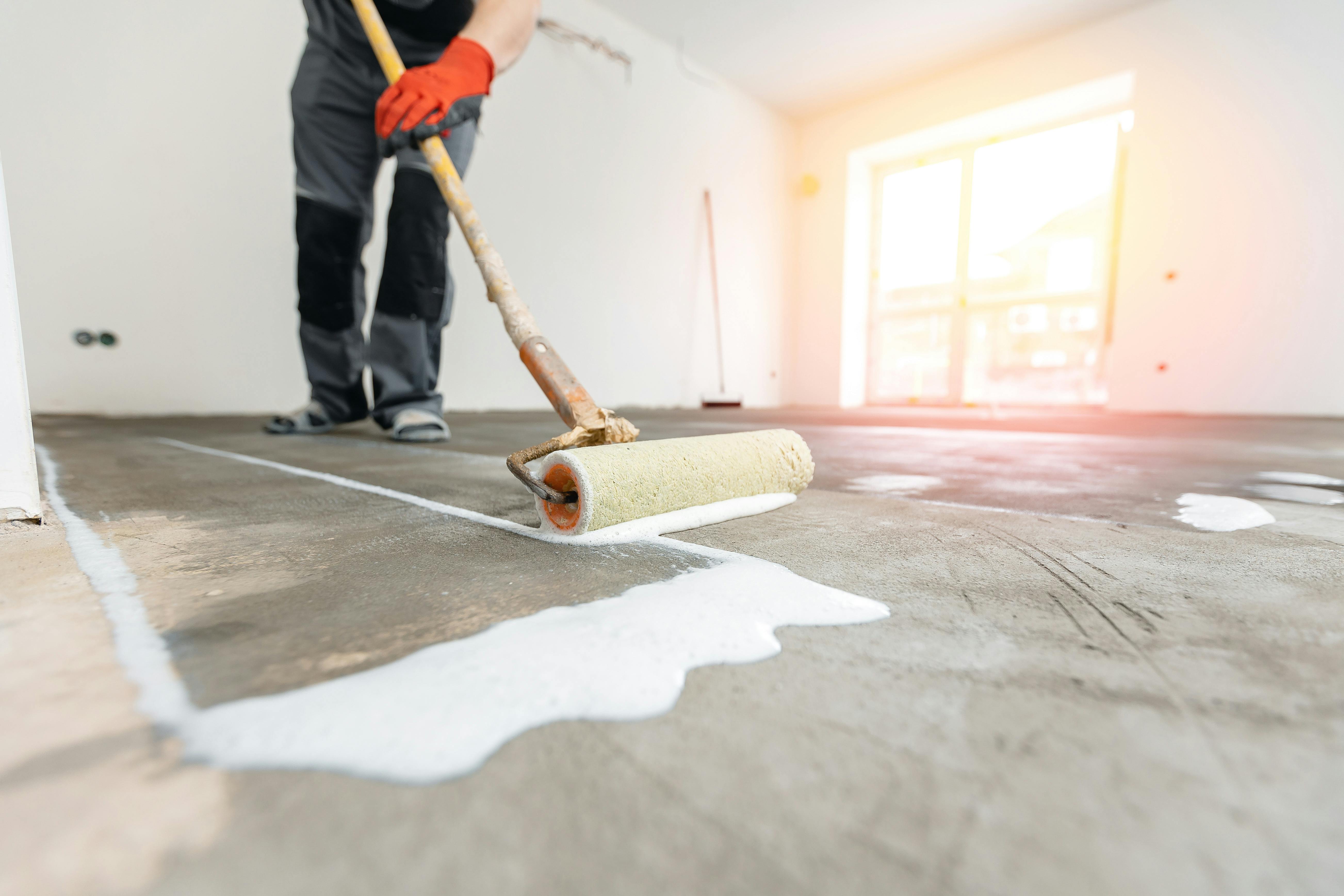
How often you send an invoice for each project depends on the terms and conditions you and your clients agreed to. If the homeowner is providing an upfront deposit or paying for the entire project at the start, an invoice for that balance due is issued even before the job begins. Payments may also be invoiced throughout various stages of the project.
When sending these invoices, and the final one for the remaining balance, it is important to send them as soon as possible after you have all the information and calculations you need. Some research shows that the average contractor waits two to three months to get paid after sending an invoice.
Sending professional, detailed invoices quickly can help you avoid becoming one of them.
What Should Be Included in a Flooring Installation Invoice?
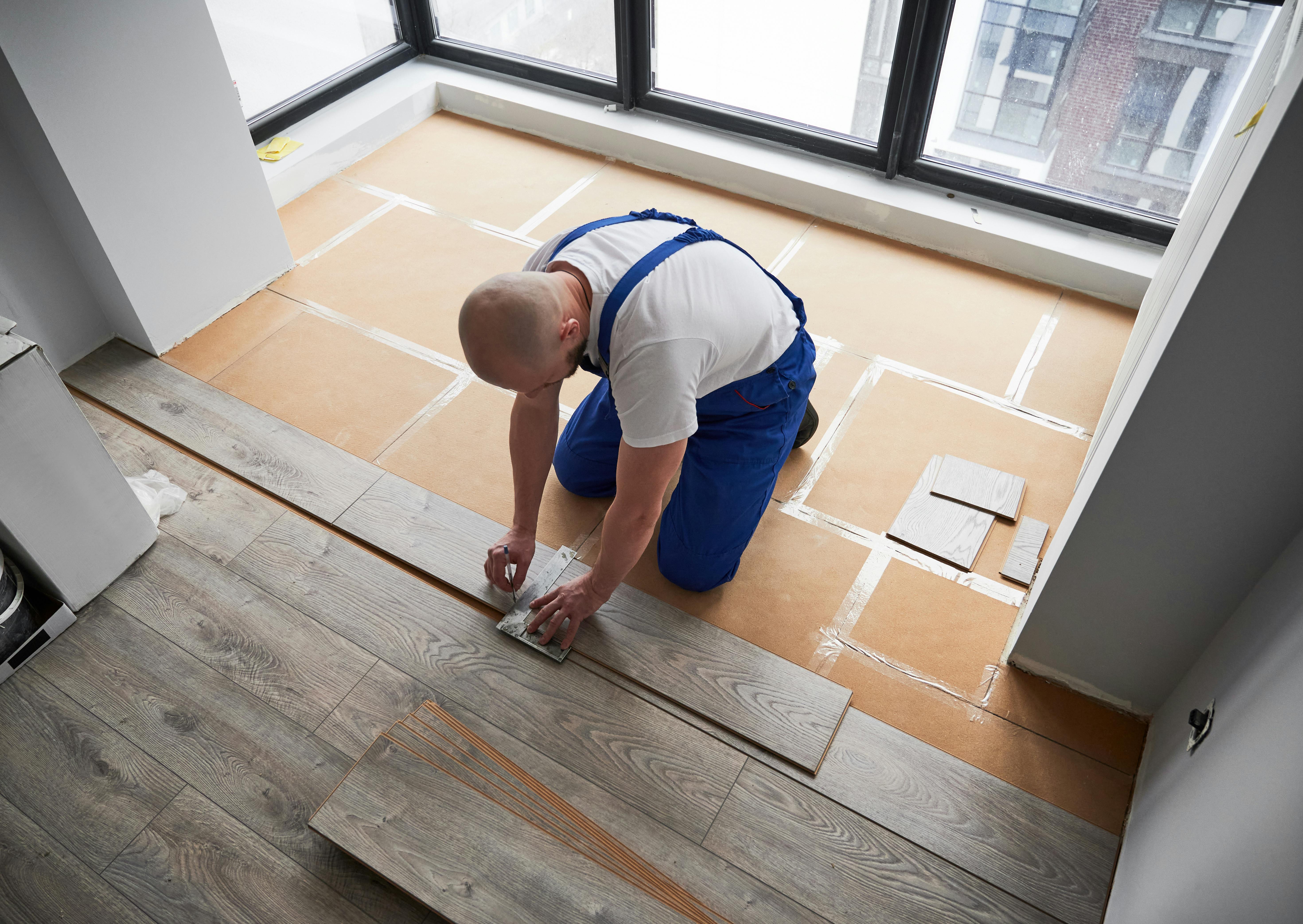
When it comes to organizing your flooring job invoice, clarity and efficiency are key. You want to ensure that your invoice is easy to understand and navigate, both for yourself and your clients. By organizing your invoice in a logical and systematic way, you can save time and avoid any confusion or errors. Most invoices include the same basic information.
Here is a list of the elements typically included in a flooring invoice:
- Company information - Brand the invoice with your company name and logo to make it look professional and to help the client know immediately the source of the invoice. Include contact information to make it as easy as possible for the homeowner to reach out with questions and payments.
- Client name - Include the name and contact information of the homeowner.
- Invoice number - An intuitive and sequential numbering system is crucial for keeping invoices organized and locating them as needed. For example, one project may have several invoices; therefore, each should be numbered in order and in a way that distinguishes them from another client.
- Invoice date - Include the date on the invoice. Besides providing accurate record-keeping, adding the date helps avoid questions down the road about when an invoice was sent and when the payment is due.
- Payment due date - Clearly state when the invoice is due according to your terms and conditions. This provides a sense of urgency and encourages your clients to make the payment promptly. Be sure to give them enough time to review the invoice and make the necessary arrangements.
- Table of labor and materials - This is the bulk of the invoice because it lists the materials used and the cost per unit, as well as the number of labor hours and the hourly rate.
- Summary of costs - Besides the labor and material, this also incorporates any other costs and expenses associated with the flooring work.
- Payment methods accepted - Make it convenient for clients to pay the invoice by offering more than one payment method. Include an online option. Homeowners want to know the methods are safe and secure, so do your research before choosing.
- Payment terms - Specify the terms of the payment. Note if the entire balance is due and when. Include charges for late payments or any incentives for early payments. Do you offer a payment plan?

Optional Sections to Include in a Flooring Invoice Template
- Additional project details - Consider if there are other project details that you want to include for clarity and thoroughness.
- Thank you note - Include a brief personalized message expressing your gratitude for the opportunity to work with them and reminding them of the outstanding payment. This adds a personal touch and shows your professionalism and appreciation.
- Future flooring projects - Consider suggesting some additional projects you can help the client with in the future, or note some of the types of jobs you are working on to inspire them for the future.
- Website - Adding your website address and social media accounts can help keep you top of your client’s mind when they are considering future work or want to recommend your company to a friend or colleague.

How to Create a Flooring Invoice Template Step-by-Step
Now that you know the elements that make up a professional flooring invoice, let’s get started. Here’s a step-by-step guide to follow from start to finish:
- Choose your tool - With today’s tech tools, you don’t have to start from scratch every time you write up an invoice. Decide if you are going to use a template, like the one we have provided, or another tool such as business software. If you choose a template, make sure it is downloadable, so it is easy to email to clients and print out. Also, pick one that is fully editable, so you can customize it to meet the needs of your business.
- Review - Gather all the documents you will need to calculate the costs. Review the initial estimate, quote, or bid as well as any change orders that occurred during the life of the project. Call up all the time and expense tracking logs associated with the project.
- Detail materials - List the materials used for the project whether it was laminate, marble, or hardwood. Provide details such as brand, cost per square foot, and more so that the clients can see the value of the materials provided and how these contributed to the cost of the project.
- Labor - Detail the number of labor hours and the type of tradespeople and subcontractors who contributed to the work. Note any additional work such as removal of existing flooring, baseboard replacement, etc. Also, include any special skills that may have been needed for a particularly intricate tile flooring job, for example. This level of detail helps to ensure accuracy and transparency in your invoice.
- Ensure overhead is covered - Make sure you have accounted for the overhead expenses of running your business. Figure your annual administrative costs and business expenses and then prorate it to the number of days or hours of the project. This will give you your total overhead costs for that time period.
- Profit margin - Did you incorporate your expected profit margin to ensure that your business will continue to grow and thrive?
- Calculate total costs - Add up all the costs associated with the project to reach the balance due.
- Double check - Ask someone to review the invoice before you send it. Look at it one more time and then deliver it to your client.
- Track payments - One of the most important steps comes after the invoice is sent. Track the payments and follow up with any clients who missed the payment deadline.
Alternatives to Flooring Invoice Templates
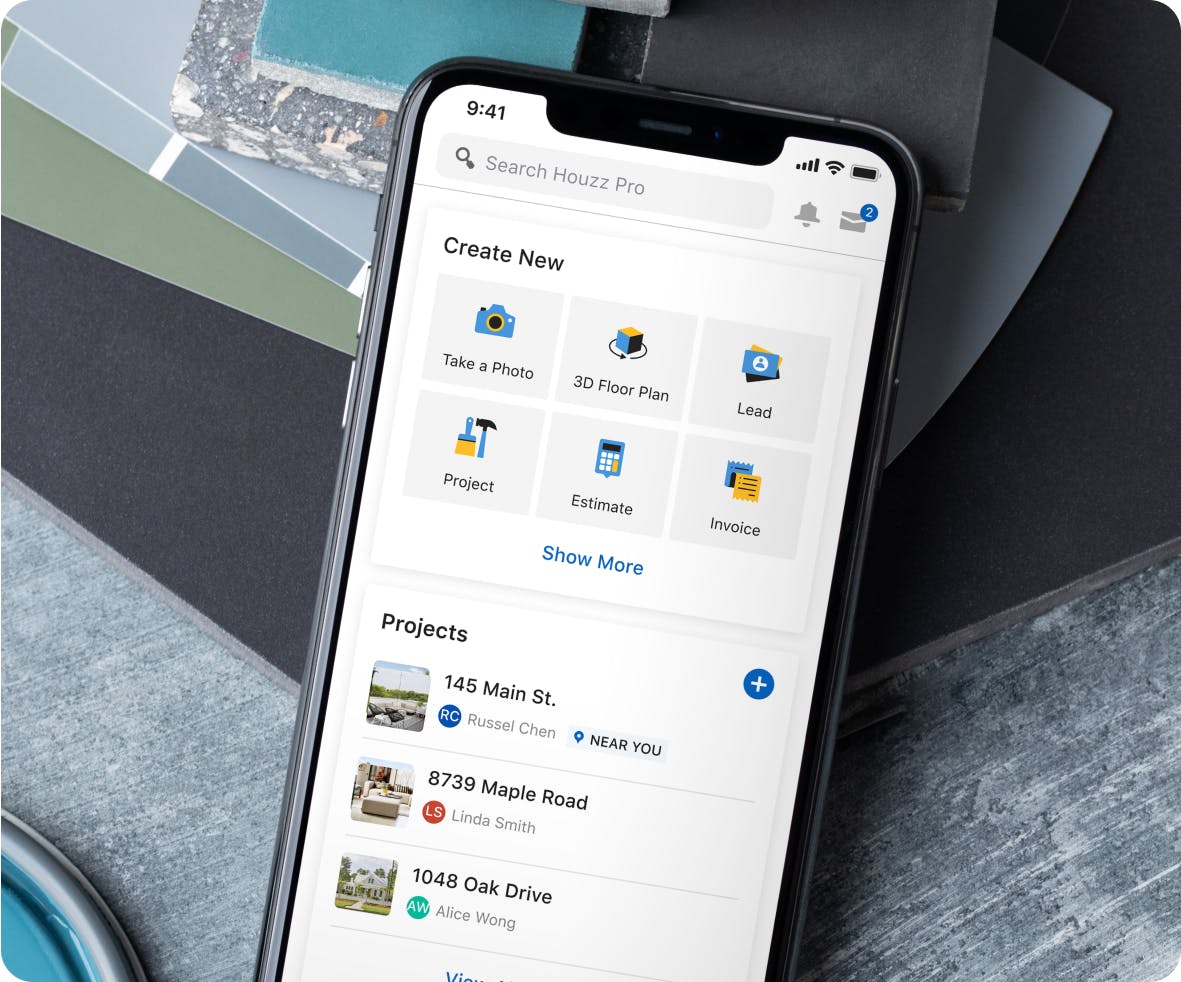
To streamline your invoicing process over time, consider using technology tools and platforms that automate and simplify the process. User-friendly options such as Houzz Pro are more advanced than downloadable templates and help flooring contractors reach their goals more efficiently.
Invoice and billing software lets you easily sync invoices, purchase orders, estimates, and proposals. You can set up automated payment schedules and accept payments and deposits online from any device. It helps you better understand the financial health of your business by tracking income, costs, and profitability per project. Explore the invoicing features of Houzz Pro invoice and billing software.

Final Flooring Invoicing Tips
- Ensure pricing is documented - Make sure you have documentation to support your pricing. A well-prepared and error-free invoice not only ensures that you get paid the correct amount, but it also builds trust and credibility with your clients.
- Use a tracking tool - Writing an invoice at the end of a project is much easier when you have all the information at hand. Use an accurate time and expense tracking tool throughout the project, so that you have the information at your fingertips when it comes time to draft the invoice.
- Pay attention to details - An invoice should provide sufficient detail, so that all parties understand the extent of the services you provided and the pricing associated with it. This helps to provide context and clarity for both you and your clients.
- Consider requesting deposits - Seeking an upfront payment before work begins provides cash flow to your business and helps ensure that your client is committed to the project.
- Offer payment schedules - You may want to consider offering payment schedules, especially for big and lengthy projects. This can help both you and your clients manage your budgets.
- Explore invoice management software - Technology can help you with the tedious tasks of creating, organizing, and tracking invoices. This is a job that gets bigger as your business grows, and management software can do it more efficiently.
- Keep invoices secure - Invoices should be stored in a safe and secure place, so they can be accessed in the future and protect the privacy of both you and your clients.
- Follow up on past-due invoices - Have a system in place for following up on past due invoices. If the due date passes and you haven't received the payment, follow up politely with a friendly reminder. It's important to keep a record of all communication regarding the invoice. This includes the initial email or invoice sent, any follow-up emails or phone calls, and any agreements or arrangements made regarding the payment. This documentation can be useful in case of any disputes or misunderstandings in the future.
- Ensure payment terms are clear - Provide clarity on the payment terms, so that everyone is on the same page, and your client understands what is expected of them.
Conclusion
A well-prepared, accurate, and professional-looking flooring invoice not only ensures that you are paid the correct amount, but it also builds trust and credibility with your clients. Invoices are an important part of record-keeping for any business, and they provide legal documentation should any issues arise.
Over time, the information included in invoices can help you better understand the profit your business is earning on projects and where you can improve the margins.
Flooring invoice templates provide a learning tool to help you get started, but many flooring contractors soon learn that they can produce invoices more quickly and run their businesses more efficiently with the help of business software. Sign up for a free trial of Houzz Pro flooring contractor software to explore our invoicing tools and more.
Learn more about the flooring industry and How to Do a Flooring Estimate.


Want advice delivered to your inbox?
Unlock industry insights and updates for contractors and design pros
By signing up, I agree to the Houzz Terms of Use and Privacy Policy and that Houzz may use my information to contact me about relevant content, products, and services.