The 5 stages of a remodel: Keys to a successful project
Once you’ve hired your remodeling team and signed the contracts, it’s time for the work to begin. A major renovation generally moves through five stages, although the schedule and sequence will vary by project. Understanding what happens at each stage can help you prepare for disruptions, ask informed questions and keep track of decisions, costs and deadlines. Digital tools can also make it easier to follow the project’s progress and stay informed along the way. This guide from Houzz explains what you can expect.

Credit: Houzz; DW Design & Build
1. Planning
Thoughtful planning sets the foundation for a successful remodel, and it’s also the stage that has evolved most in recent years. With your remodeler, contractor, designer or architect, you'll define the scope, budget and priorities of the project. This may involve in-person meetings or — especially if you're collaborating from afar — video calls. It's important to be realistic about your goals, expectations and budget, including any wish-list items and must-haves. It can be wise to give your budget a 10% cushion to allow for unexpected changes.
Struggling to picture the finished space is one of the more common early hurdles. In a 2025 Houzz survey of U.S. homeowners, 15% reported having difficulty visualizing their project's outcome before work began. That's where 3D floor plans, virtual walk-throughs and AI-assisted rendering tools now come in. Many designers use them to offer a realistic preview, so you can see layouts, finishes and lighting before a single change is made. Sharing inspiration images and ideabooks is a great way to convey your vision, and digital mood boards make it easy for you and your designer to stay aligned on products and materials in real time.
Two other planning-phase pain points showed up repeatedly in the survey: 40% of homeowners said finding a pro they trust was a top challenge, and 32% said getting an estimate or proposal with enough detail was difficult. Both issues are pushing the industry toward more digital-first solutions. Online reviews and recommendations (cited by 67% of homeowners as among the most important factors in choosing a pro) now often shape the shortlist before a homeowner ever picks up the phone, while itemized, digital estimates are replacing handwritten quotes.
Your pro will also establish a schedule at this point, though keep in mind that delays can happen, such as from unexpected inclement weather. A growing number of pros now manage schedules, selections and updates through project management software and client portals, which help keep all the details and any changes to the design or timeline transparent and easy to track for everyone involved. These connected tools don't just keep you informed as the homeowner, they also help your project team stay aligned, document decisions and keep the remodel moving forward with everyone on the same page.
Key to success: Clear, increasingly tech-enabled communication

Credit: Houzz; Guthrie Construction
2. Permitting
Not every project requires obtaining permits. But depending on the type and scope of your project, you may need to secure permission from local government agencies (such as the department of buildings) for structural, electrical, plumbing or other work. Your pro will likely handle permitting for you, if needed, to ensure that all work completed meets the relevant building codes. A growing number of municipalities now offer online permitting portals, which can speed up submissions and status checks, though total review times still vary widely by location and project scope.
If your project is small and fairly simple, permits might come through in as little as a week or two; bigger or more complex projects can take up to a few months.
Key to success: Patience
3. Site Prep
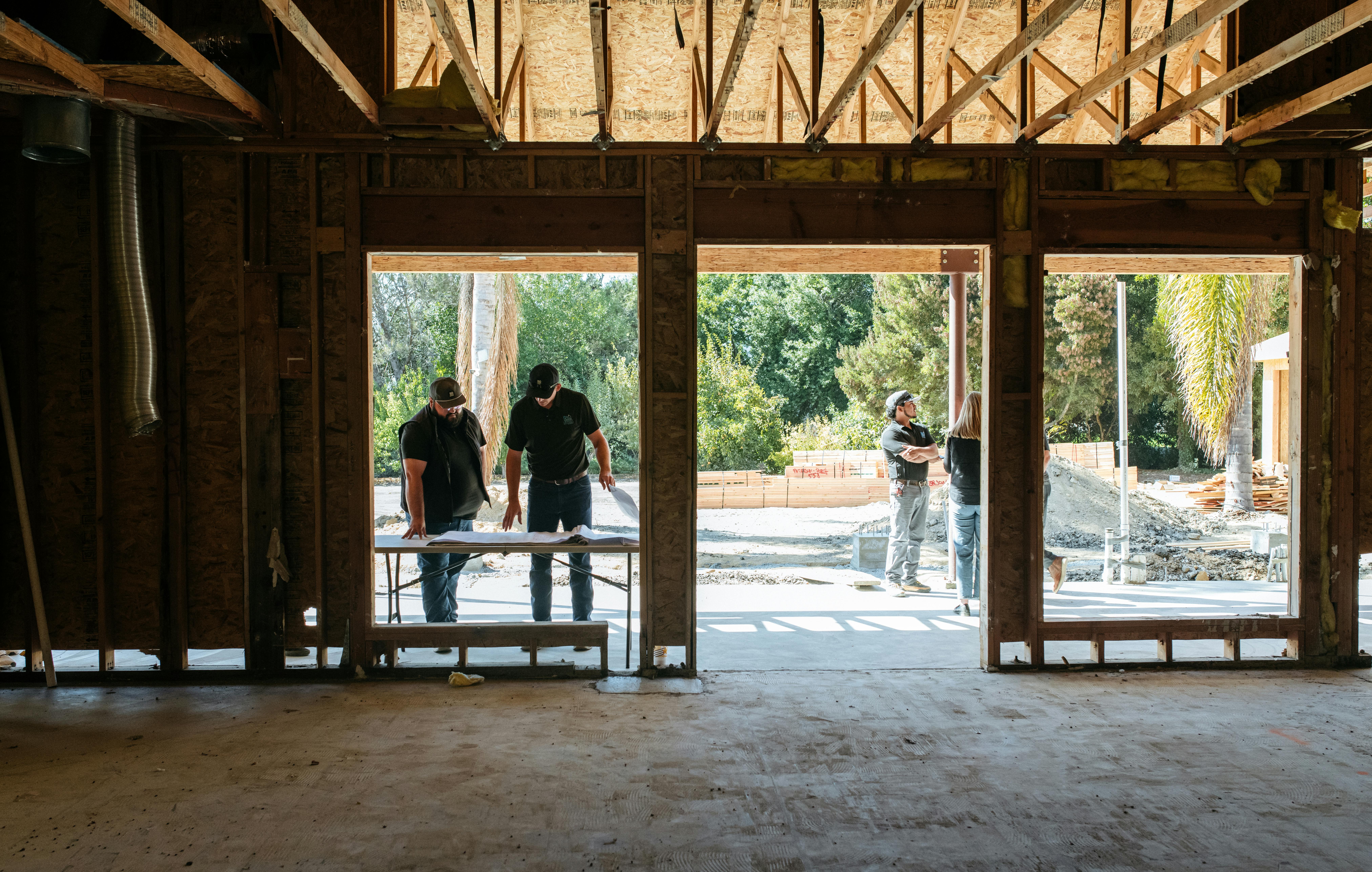
Depending on the nature of your project, site prep may involve demolition, such as breaking down walls, as well as removing furniture, fixtures and flooring. It may mean grading or leveling areas, shoring up a foundation or cleaning. It likely also will involve determining where to store the project materials and setting up features for safety and comfort, such as sheeting to keep dust and debris localized to the work area.
Think ahead of time about the disruption your project may cause to your daily life, such as noise, interruptions, and the shutting off of water and power, and plan for relocating any activities that you normally do in the area. For example, if you won't have access to your kitchen, consider setting up a microwave and an eating area in another room. For a major remodel, you may even consider staying off-site for a portion of the project. And if you have children and/or pets, work with your pros to figure out how to keep them safely out of the work zone.
Keys to success: Adjusting living and working arrangements
Credit: Houzz; Legacy Builders & Design Inc.
4. Construction
If you’re undertaking a major remodel, structural and framing work will typically come first, such as adding walls or support posts or enlarging doorways. Next, your pro will complete the rough-in phase for electrical, mechanical and plumbing systems. Elements such as cabinetry and flooring generally follow, along with finishing work like painting, sanding and staining, and time for materials to cure.
As the work progresses, material availability, inspections, site conditions and design decisions may lead to scheduling adjustments. Clear, timely updates can make those changes easier to navigate. In fact, in the same 2025 survey, 44% of homeowners say timeline changes and staying on schedule can be challenging, while 21% have difficulty tracking the budget and expenses over time.
Before approving a change order, talk with your pro about how it will affect both the schedule and the budget. Many pros use project management software to share updates, document decisions and give homeowners a current view of costs and timing throughout the project.
Keys to success: Visibility and flexibility
5. Finishing
With all the elements in place, you'll be very close to enjoying your newly redone space. As the project winds down and the team handles smaller details (finishing trimwork, touching up paint scuffs, adjusting alignments, etc.), create a punch list of any detail that may need more attention, no matter how small. The team will do a walk-through and have their own punch list, but recording everything can help ease your mind.
The punch list meeting between you, your designer and any contractors will likely take place about a week or two before the finalization date, to allow time for handling any remaining tasks. As the project wraps up, your pro may also provide warranty information, care instructions, product documentation and other project records so you have everything you need to maintain your newly completed space. And after all the work is done, your remodeling team should handle cleanup; consider ahead of time where you will store or donate any extra materials such as paint, tiles or wood planks.
Also, as you're immersed in your new space, consider leaving a detailed review of your experience for your team members. Per the 2025 Houzz survey, recommendations and reviews are among the most important factors homeowners weigh when choosing a pro, cited by 67% of respondents. in the Houzz survey, Aand 83% of pros said referrals and word of mouth meaningfully contribute to their business. A specific, candid review can help other homeowners make a more informed decision.
Keys to success: Attention to detail and building goodwill
Methodology: Data for the 2025 Houzz survey was collected through a questionnaire emailed to registered Houzz users in June 2025. The 110-question survey was completed by 2,904 qualified respondents, all of whom reported being 18 or older, owning their home, and having completed a remodel or addition in the previous 12 months, currently working on one, or planning to begin one within the next three months. Final data were weighted to align with the Houzz user population, using weights derived from the annual Houzz & Home Study.


Want advice delivered to your inbox?
Unlock industry insights and updates for contractors and design pros
By signing up, I agree to the Houzz Terms of Use and Privacy Policy and that Houzz may use my information to contact me about relevant content, products, and services.