Recruiting Strategies for Pros in the Trades
Bring in the best to support your growing business.

Is your business growing, or your pipeline particularly full right now? Whether you’re looking to hire full or part-time employees, or searching for experienced subcontractors to support new projects, it’s an investment in your time and resources to identify, qualify, and hire potential candidates.
Following the recession, 1.5 million residential construction workers left the industry in search of other careers. Despite recent economic growth, reports show the labor shortage hasn’t recovered. According to a report from the Bureau of Labor Statistics, the construction sector added an average 12,000 new jobs per month each month in 2019. As you may have experienced, one common challenge in the home remodeling industry is the shortage of skilled labor. Companies are faced with new obstacles—workers with less experience, seasoned workers who command higher wages, or a push to compete with other firms by providing additional costly benefits.
We've compiled strategies to help you find and recruit pros for your projects, allowing you to avoid delays because of short-staffing and giving you more time to take on additional clients.

Recruiting Strategies
1. Search for Qualified Employees
There are many channels that employers can use to find candidates for open positions. According to the Pew Research Center, job seekers use a variety of methods to find a position: 79% of job seekers used the internet in their job hunt, 66% used a personal connection, 32% used a print ad, and 28% attended a job fair. Since candidates are finding jobs in many ways, if you want to gather a large pool of candidates, you may be able to connect with more candidates by using multiple channels. Here are some options:
Online Postings
According to Forbes, the average job posting receives 118 applicants and 28% of candidates get an interview.
Referrals
Ask your current employees to refer people in their network who they think would be a good fit—they will likely be familiar with the job duties. Consider offering a referral bonus for a successful hire.
Job Fairs
You can take advantage of a captive audience of active job seekers and evaluate candidates on the spot to determine if they’re a good fit for your business.
High Schools and Colleges
Work with the counseling or career center at high schools, dedicated trade schools, or community colleges with vocational programs to attract students who are open to a career in the trades.
Networking Events
If you attend networking events, you may find younger attendees are going with the intention to find a job.
Veterans Organizations
Business owners may be able to get help recruiting if they commit to hiring returning service members. Review information on the Department of Labor website here.
Local Theatres
Crew members who build sets for stage productions often have some prior experience with carpentry, metalwork, or finish painting, and are used to seasonal or project-based work.

2. Streamline the Recruiting Process
Between posting jobs, reviewing applications, and interviewing candidates, recruiting is an investment in time. Here are some tips to make the process efficient:
Create A Careers Page On Your Website
An updated employment section on your website lets active job seekers know exactly what types of positions you’re looking to fill. Consider including a dedicated email address where job seekers can directly contact you and easily send a resume.
Have An Idea Of Your Ideal Candidate Glassdoor says that one way to speed up the recruiting process is to already have a solid determination of the type of worker you need. That way, when you interview candidates, you’ll know if you’ve found a good match, so you can act quickly to make an offer and hopefully get the employee on the job site sooner.
Write Effective Job Postings
If you’ve idealized your candidate’s skill set, take those factors and include them in the job description. The more specific you can be with your job descriptions, the better qualified your candidates will be. Make the post brief and deliver a description about the type of work, any skills or education required, how much experience is preferred, typical working hours, approximate pay, benefits, and general area of the projects you take on. Divide these skills between a “required” and “preferred” section so candidates know if they really match the job description.

3. Promote Compensation
Many people, especially those just starting out in the industry, may not be aware of the earning potential for jobs in the trades. Including compensation data in job postings could pique candidates’ interest. A study from SMART Recruit found that companies who include wage information in job ads get 30% more applications.
To stay competitive with other firms vying for the same pool of qualified candidates, you may find you need to increase compensation. When the economy experiences low unemployment, it can lead to an increase in wages and benefits. The construction industry has experienced this: the National Association of Home Builders did an analysis of construction wages and found that certain roles saw wage growth of 5–7% year-over-year. Marketwatch reported that between October 2017 and 2018, construction wages increased an average of 3.9%. For comparison, inflation was 2.5% in that same period.
Is your compensation in line with industry and local averages? If you’re looking for information about the going rate for various construction jobs or by location, this page on the Bureau of Labor Statistics website is a great resource that updates frequently.
Another area of compensation to consider is benefits. Many job seekers highly value factors like health insurance, paid holidays, flexible schedules, or on-the-job training. Include information about what benefits you provide so employees have an idea if they can get a perk from your company that they don’t have at their current job.
4. Have a Presence That Candidates Can Research
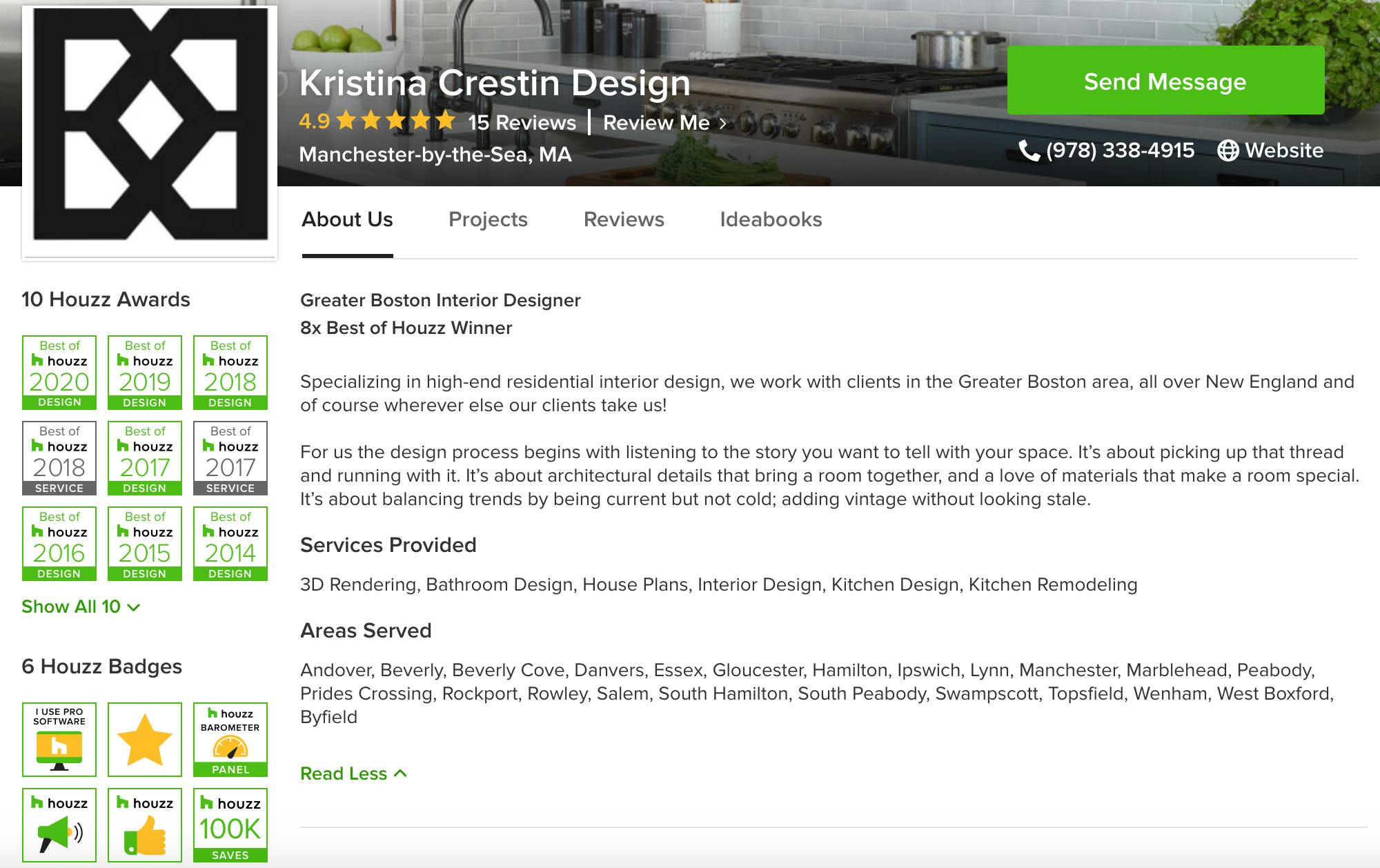
If someone hears of a job either through a friend or from an online job board, a natural next step is to research the company so they know if they want to apply or for which position they would apply. Develop your online presence with a website and professional profiles on social media organizations like Houzz or LinkedIn so potential candidates know that your company is legitimate.
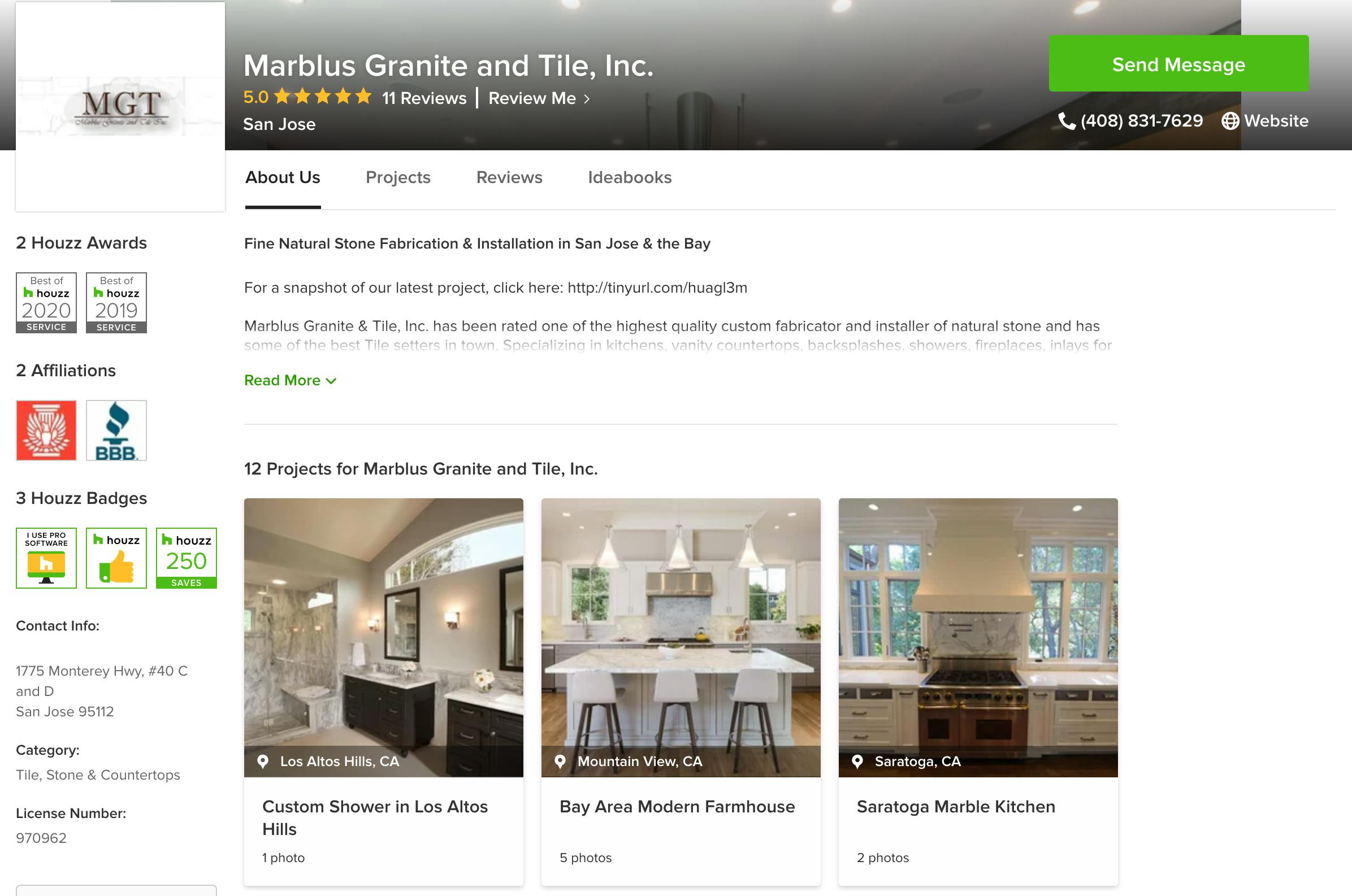
The most engaged candidates will look for information about:
1. The type of work you do
2. The company owner and managers
3. Your address and contact information
4. Any industry affiliations you may have
5. Awards you may have
6. The areas you take on projects
7. How satisfied your customers or past employees are with the company
8. Any license numbers or certifications
5. Make Them Want To Work For You
When people look for jobs, they may be searching for a company that aligns with their values, especially if they are looking to settle in to a position for a longer period of time. You may be able to entice people to apply to work for your firm by describing what you have to offer as an employer in terms of company culture.
Write about your company history—how did you get started? What is your company mission statement? For example, are you dedicated to being an environmentally friendly company, or is a large portion of your work making homes accessible for those with reduced mobility? Describe any unique factors in your workplace; maybe you’re a family-owned business, or maybe you have employees with a long tenure.
Use your company description on Houzz and on your website to describe your company, and if you have a Careers page on your website, go more in-depth about what makes your company a great place to work. Need some ideas? Ask your employees to make suggestions. If these intangible factors matter personally to candidates, they may be excited about the chance to work for a company with similar values.

6. Consider Cross Training
Another strategy to filling your skill needs is to cross train your existing employees in new competencies. A study from Nielsen found that one of the top five reasons people quit their jobs is they find the work uninteresting. Another study from the Harvard Business Review found that the most important thing to Millennial job seekers (aged 24-39 in 2020) is the opportunity to learn and grow.
Cross training could break up the monotony and provide professional development to keep your existing employees engaged with their jobs, while simultaneously helping address your skill shortage. If you offer something like this, add it to your job descriptions.
“We have implemented cross training processes that are working great to educate new tradespeople. Try it, have your best carpenter help lay tile. If he/she is a good carpenter he will be smart enough to ask the right questions. Now the tile guy knows how to teach his craft and the carpenter has learned just a little more. Then they switch and at some point, you can insert an apprentice that gets the benefit of actually learning the craft and learning how to do it correctly.”
Troy Chagnon, Consynigy Renovations
7. Find Subcontractors
If you don’t have the resources to dedicate to recruiting new employees, you may find that bringing subcontractors on board is a better option for your business. They can work on a project basis and you may be able to verify the quality of their work before hiring them.
Here are some resources to begin your research to expand your roster of potential subcontractors:
1. Ask other pros you have worked with in the past who they like to contract for their projects
2. Look within trade associations that are relevant for the types of pros you need
3. Search online professional directories, such as Houzz, for pros in your area
4. Get involved with the Chamber of Commerce in your community and participate in networking opportunities
5. Connect with real estate agents in the area to ask who they recommend to their clients when preparing homes for sale
“My strategy is to entice the best and largest subcontractors to work on my homes by offering a high volume of work. If I can offer my tile contractor $700,000 in immediate work, I get his attention. Frankly, I am able to make some demands with regards to schedule and workforce that smaller builders and contractors cannot do. Having said this, we are still fighting the labor shortage in my market. I just try to be one of the more attractive builders that subs want to work for. By paying well, offering a lot of work, and treating subs fairly and with respect, I seem to be able to do this.”
Allan Edwards, Allan Edwards Builder Inc

Closing Thoughts
If you’re in a spot where you need to build a larger crew to take on the jobs you have, your business may be a great spot to become more selective with what type of work you take on.
Our business growth and management program, Houzz Pro, can help you brand your business and allow you to target your ideal clients through enhanced exposure in your area. In addition, you can get assistance building and maintaining your profile, analytics to understand the performance of your campaign, a professional template-based website, and powerful estimating software to streamline invoicing.
“Houzz has shifted from giving me a 10% increase in business to now being the source of at least 50% of my business. Here’s the most important part—my jobs have gone from a ceiling of $300,000 to around $500,000. It has increased my credibility with customers and my last 10 jobs I had no competing bids! Houzz has been an incredible platform for my business.”
Rick Jacobson, Jacobson Construction


Want advice delivered to your inbox?
Unlock industry insights and updates for contractors and design pros
By signing up, I agree to the Houzz Terms of Use and Privacy Policy and that Houzz may use my information to contact me about relevant content, products, and services.