The Power of Collaboration in Construction Projects
Everything you need to know to overcome collaboration challenges & gain advantages you can't ignore
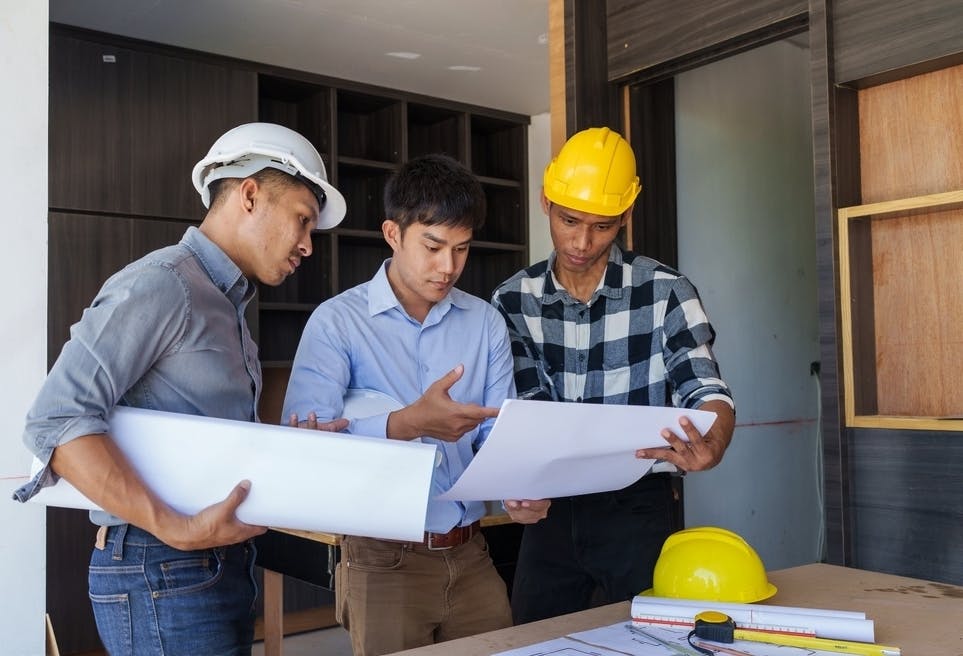
No matter the size of a construction project, its success depends on many teams and stakeholders working together. In this article, we discuss the benefits of improving collaboration in your construction business, challenges contractors face in becoming more inclusive, and tips for overcoming these roadblocks.
Click on a link below to jump straight to the section you’re most interested in:
- Importance of Collaboration in the Construction Industry
- 11 Benefits of Collaboration in Construction
- Common Challenges to Collaboration in the Construction Industry
- How to Foster Collaboration in Construction Projects
- Find the Right Collaboration Software to Ease the Journey
- Use Houzz Pro to Increase Collaboration in Your Construction Projects

Importance of Collaboration in the Construction Industry
Consider the long list of people it takes to bring a home renovation project to the finish line. Besides the contractor and crew, there is often an architect, interior designer, the many vendors and subcontractors and, last but not least, the client. When all the players are working together sharing information, communicating frequently and coordinating regularly, projects are more successful and run more smoothly.

11 Benefits of Collaboration in Construction
Here are 11 benefits of working in sync as a cohesive team so you can achieve maximum collaboration in your construction projects:
- Increased Efficiency - When team members can easily share information and discuss the project with others, they work more efficiently because they are not wasting time searching for answers or confused by lack of direction.
- Easier Decision Making - Construction work requires making a seemingly endless number of decisions every day. Having the information they need and coordinating with other stakeholders in the project empowers team members to make informed decisions.
- Better Problem Solving - Two heads are better than one, the old saying goes. Sometimes finding solutions takes an entire team. When team members are able to share their expertise, experience and perspective when a problem arises, the fix becomes apparent more quickly.
- Keep Projects Within Budget - Project delays and miscommunications come when the right hand does not know what the left hand is doing. Having a strong collaboration on your projects can make the difference between going over budget and staying within it.
- Enhanced Safety - Risks are reduced if team members on the job site have an easy way to red flag potential safety issues and other risks to your company.
- Increased Innovation - Since improved collaboration leads to an atmosphere of sharing ideas and expertise, more innovative approaches have a way of rising to the surface. When collaboration is strong, everyone is willing to share their knowledge and resources to make the project the best it can be.
- Better Outcomes for Clients - Besides helping to keep projects on time and within budget, teams that are working together collaboratively are more likely to produce higher quality work. That excellent customer service leads to happy clients and five-star reviews that help grow a construction business.
- Improved Relationship with Clients - There are fewer surprises for clients who feel that they are being kept in the loop. This transparent communication and inclusivity makes for a smoother journey throughout the project. It also builds trust and makes it easier for contractors to manage their client’s expectations.
- Less Resource Waste - Greater collaboration brings less waste of materials and labor because everyone knows what they are responsible for, and there is strong communication around the quantity of materials, supplies and equipment. Expensive and time-consuming redoing of work or duplicated work is less likely to happen.
- Better Brand Reputation - Word spreads quickly, and a brand that is known for collaboration instead of miscommunication is a magnet for clients seeking quality work completed on time and within budget.
- Increased Worker Engagement, Less Turnover - A collaborative environment makes a company a better place to work than those where there is friction and missed opportunities. When quality team members feel valued and value the company they work, they are more engaged and less likely to seek work elsewhere.
Common Challenges to Collaboration in the Construction Industry
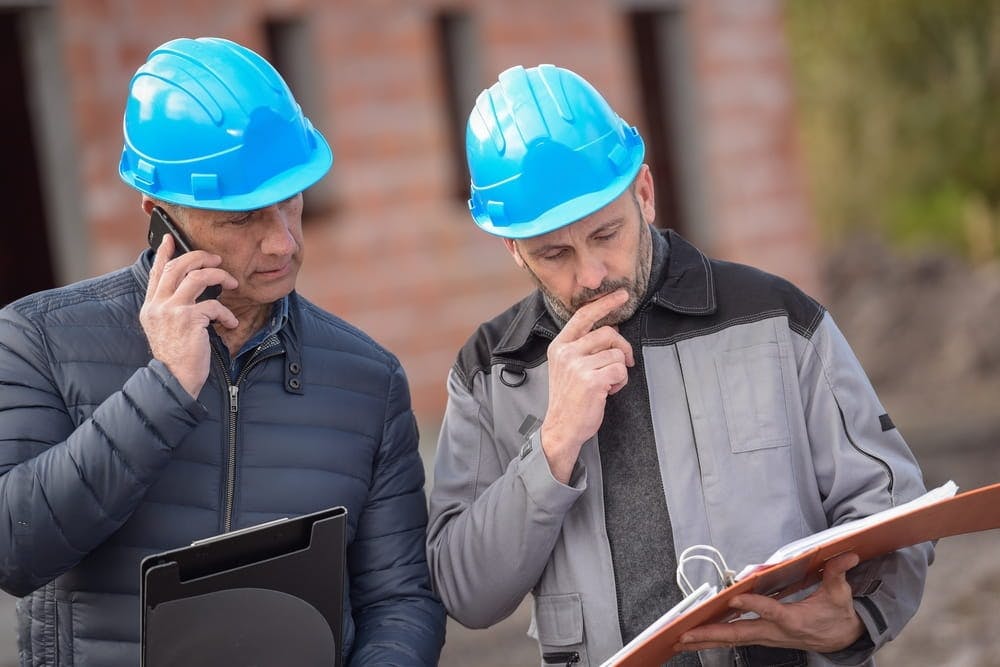
With so many moving parts and people involved in just a single project, collaboration in the construction industry definitely has challenges:
- An Industry Divided - Trades are incredibly varied in the home renovation business, and there is still a pervasive tendency throughout the industry to work in silos. Breaking through these walls can take some effort.
- Highly Competitive Industry - It is well known that the construction business is strongly competitive. Oftentimes, a tradesperson or subcontractor is focused on getting their portion of the project completed, and moving on to their next job. This need to stay competitive means they see just the piece of the project that they are responsible for, not the whole, or how every piece fits together.
- Communication Styles Vary - With diversity in the types of trades comes diversity in how each subcontractor is accustomed to communicating.Tying all those together is not always easy.
- Resistance - Change is hard for people especially when they work in an industry accustomed to doing things in a certain way. There will be some team members who are initially skeptical and resistant to taking steps toward better collaboration.
- Delayed Payoff - The costs of collaboration can be higher up front before you see the payoffs. This can mean there is less incentive to change. However, changing the culture of how you work is likely to bring savings in the long run.

How to Foster Collaboration in Construction Projects
Here are some tips for improving collaboration on your job site and in your office so you can reap the benefits of collaboration in construction.
- Begin with Collaboration - Include stakeholders in the decision-making process from the start of the project. This sets the tone for the life of the project and also means that those with various expertise have a seat at the table to smooth out details, reduce risks and provide input. Learn more about creating an effective Construction Project Workflow.
- Contract for Inclusivity - Consider ways to incorporate inclusion in the project contract. Create incentives for workers who share new ideas that improve efficiency or quality, reward sub contractors for saving money on the project.
- Embrace Team Diversity - Every construction crew is made of team members who come from varied backgrounds, generations, experience and cultures. Recognizing and embracing that diversity is a big step toward fostering collaboration.
- Provide Transparency - Give team members, clients and everyone involved in the project the information they need to do their work and make informed decisions.
- Leadership Matters - Building collaboration requires having a trustworthy leader who team members can rely on. A leader is needed to oversee both the team and the project and to provide clarity around workflows, tasks, duties and procedures. This includes setting an example of inclusivity and fostering collaboration by encouraging everyone to share ideas and concerns.
- Communicate Freely & Directly - In a strong collaborative environment, team members feel comfortable sharing their opinions, solutions, and thoughts about the project. They are also provided methods to enable them to communicate quickly and easily whether in person, through emails, apps, phone calls or regularly scheduled meetings.
- Educate New Team Members - Building a culture of collaboration means making sure everyone on the team is on board. Take the time to educate new hires and new team members about the benefits of being inclusive and how your company fosters collaboration.
- Define Roles & Expectations - Projects run more efficiently when everyone understands their role. Make sure every crew member understands what is expected of them, what work is their responsibility and when it needs to be completed. Learn more about the various construction roles in this Guide to Construction Job Titles.
- Deliver Honest Feedback - Frequent progress reports and feedback helps the team understand how the project is progressing, what milestones have been reached, and areas where improvement is needed.
- Encourage Idea Sharing - Workers who are allowed to provide feedback are typically more engaged in their work and take more responsibility for it. Find ways to encourage your team members to share ideas. Ask them for feedback, and if you implement one of the ideas offered by a team member, share the news with that person and the rest of the team to signal they are being heard.
- Provide a Single Source of Data - For everyone to be on the same page, they need to all be working from the same page. Assuring that there is a single source of truth avoids miscommunication and misunderstandings that can bring costly change orders and duplicate work. It also avoids time wasted looking in the wrong place for information.
- Use the Right Tools - Without having tools that provide transparency, effective communication channels, and easy ways to collaborate, all the best intentions of collaboration can fall short. Empower your team with the tools they need to communicate and collaborate.

Find the Right Collaboration Software to Ease the Journey
When seeking out a collaboration software, here are some features to look for so you can start experiencing the benefits of collaboration in construction projects:
- Easy to Use - If a platform is complex, few team members will bother to use it, or they will complain about it when they do. Find a business software that is user-friendly and can be learned quickly.
- Convenient for all Team Members - Avoid software that puts too many limits on the number of people who can use it, forcing you to exclude key collaborators. Make sure the platform can be accessed from anywhere, on any device so that location does not prevent your team from communicating crucial updates, red flags and other information.
- Ability to Designate Permissions - Not everyone needs to have access to everything. An effective collaboration software lets you decide who sees what and makes communication more efficient so collaborators do not have to wade through every file to reach the information that is relevant to them.
- Enables High-quality Communication - Having a central place for communications and two-way conversations makes conveying information more efficient. It also means you spend less time wasted searching through emails or responding to texts.
- Cloud-based - You are on the go and so are your team members. A cloud-based platform assures everyone can collaborate from anywhere.

Use Houzz Pro to Increase Collaboration in Your Construction Projects
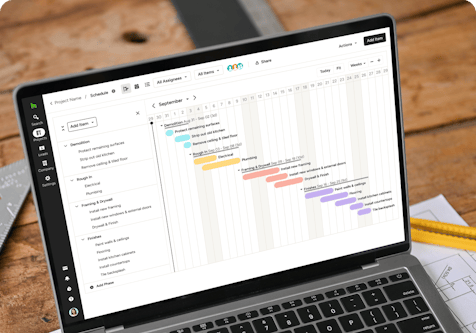
Our project collaboration software for construction lets you manage your project from one place so everyone is on the same page.You decide who to invite into your collaboration and pick the permissions level so that the right information is reaching the right people. Team members can easily send progress updates and photos from the job site with Daily Logs.
The 24/7 Client Dashboard provides transparency and keeps clients up to date so you don’t have to make a phone call or clutter their email box. Houzz Pro provides free seats to your subcontractors so no one is left out and a Subcontractor Dashboard. With communication in one central place, you are not answering texts every weekend or wasting time and money searching through emails to find answers.
Conclusion
There are challenges to creating a collaborative culture in the construction industry, but doing so can pay off with more successful projects, cost savings and keep both your clients and crew happy.
Now that you know the benefits of collaboration in construction, explore how our collaboration software can provide you the right tools to become a more inclusive construction business by starting a free trial of Houzz Pro.


Want advice delivered to your inbox?
Unlock industry insights and updates for contractors and design pros
By signing up, I agree to the Houzz Terms of Use and Privacy Policy and that Houzz may use my information to contact me about relevant content, products, and services.