Sara Swabb Brings Holistic Design to Every Room
How the Georgetown designer built a profitable, high revenue full service firm

As a full service interior designer, Sara Swabb guides her busy clients from the Washington D.C. area through the interior makeover of their homes from start to finish. “What we are doing is really understanding how a person lives inside of their home and taking the genesis of what their thoughts and ideas are, and coming up with a holistic living arrangement for their entire house,” she says. Specializing in full home renovations and new builds, her company, Storie Collective in Georgetown, has evolved into a successful high revenue firm in just four years.
Her firm uses Houzz Pro business software in every phase of the design and business process. “It's built for the industry,” she says. “It is easy to adopt from a design process perspective…the planning stage, the management stage and then there's that finance stage,” she says.
Swabb shares here how she rapidly scaled her profitable full service design firm, developed a design style and brand, while ensuring the business end of her company is running smoothly and efficiently.
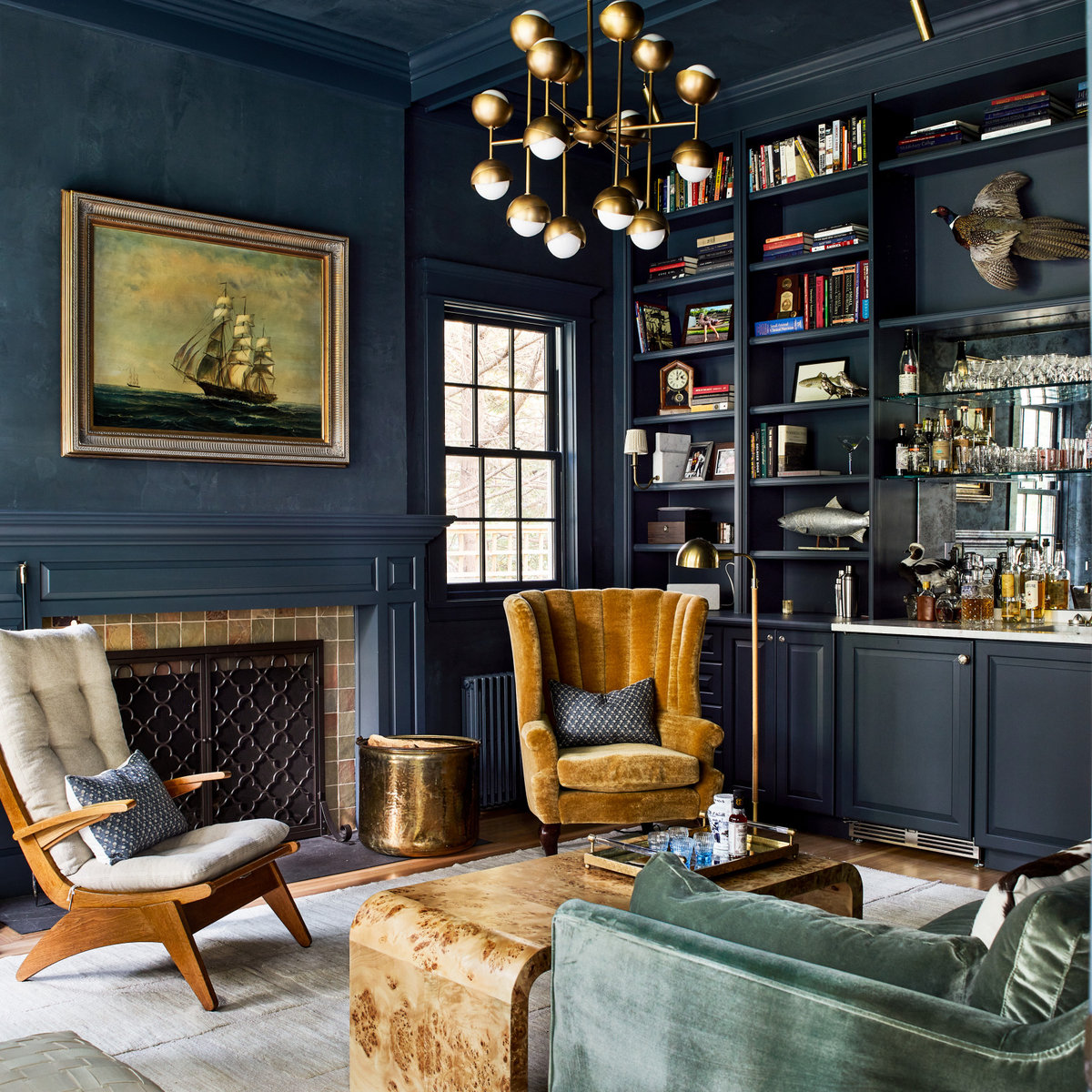
Growth Comes in Phases
In four years, Swabb has grown her business to a high revenue firm, and each year has brought a different phase in the journey. She started by building a solid base. “One thing that really helped us become where we are and become successful is in year one it was like, okay, we are going to take on projects and we are going to get our systems in place and we are going to make sure we have go-to trades and go-to vendors and we are going to level up our look,” she says.
That included building a portfolio of quality project photographs and a group of satisfied clients to market her company. “You want to get the right project photographs and get the right feeling out there so that you can bring on new work,” she says. “Year one was successful because we got that initial portfolio that brought in new projects. We also were successful because we had happy clients.”
The referrals from year one laid the groundwork for year two. “At year two, we quadrupled our revenue,” Swabb says. That was when her firm started doing procurement instead of having clients purchase their own furnishings and fixtures. In year two, she hired a bookkeeper and streamlined processes to help ensure that every project is profitable. “Year two was really understanding the financial success and ensuring that the teams were in place to make sure we could reconcile our books.”
By year three, the company growth quadrupled again. “At that point it was - wow - we’re really out there.”

Communicate with Transparency
Swabb learned quickly the importance of having a system in place that is not only efficient but provides clear communication channels that match the sophistication of today’s customers. “We're really transparent and we keep things really clear. I think that really helps with communication and building that client confidence,” Swabb explains. “Clients are super savvy these days. We have very transparent systems where it's like, this is how much it costs. This is our markup. We mark up our product. It's very clear how we got to a price point,” she says.
Swabb’s software of choice is Houzz Pro. “We love having Houzz Pro as part of our workflow because it does allow us to be really transparent with our client in terms of what our process is,” she says. “We create a design concept and that is part of a Selection board. With the Selections board, then you can turn that into a proposal. With the proposal, the client can see all the products we're wanting to propose for their spaces,” she says.
Clients can sign off on the project with a click and then everything is easily converted to invoices and purchase orders. “You just convert it over, and then create your purchase order from your invoice. You can do it as a batch, which we find really beneficial to our process,” she says.
Every stakeholder stays in the loop because the projects are tracked and managed in Houzz Pro. “We use the project tracker on the backend to ensure we're really making sure we know where things are, both internally and reaching out to our vendors externally,” she says. “Having everything under one roof, make sure everything is very seamless and integrated for our processes.”
Say Yes Before You Say No
“When you’re a young firm, you have to work a lot to be successful,” she says. For Swabb that meant deciding to take on projects early on that were not exactly the right fit. “At year one, I was willing to say yes to almost anything,” she says. “You want wallpaper selections? Great. You want me to drive here? Great,” she says. “Saying yes to everything until you have confidence in your portfolio, I think is important.”
Then, it is just as crucial to know when you have built the sufficient client base and confidence to start turning down projects, to focus on the niche, and what is the hallmark of your firm. “I think it's always better to say no to something when your heart isn't fully committed. That can be a hard thing to learn how to do,” she says. Now, her firm focuses on full home furnishing, full home renovation or ground up builds. When anything falls outside of that, she generally tells the client that the scope of the work does not fit what they do.
Letting her clients down gently is made easier by having an A-list of other companies to refer them to. “We have two people that we feel really confident can really take the reins on a project,” she says. The firm also has a partnership with a kitchen and bath company which can take on kitchen-only renovations, for example. “We trust our trade partner to take care of these people and ensure they are satisfied.”

Own Your Design Style
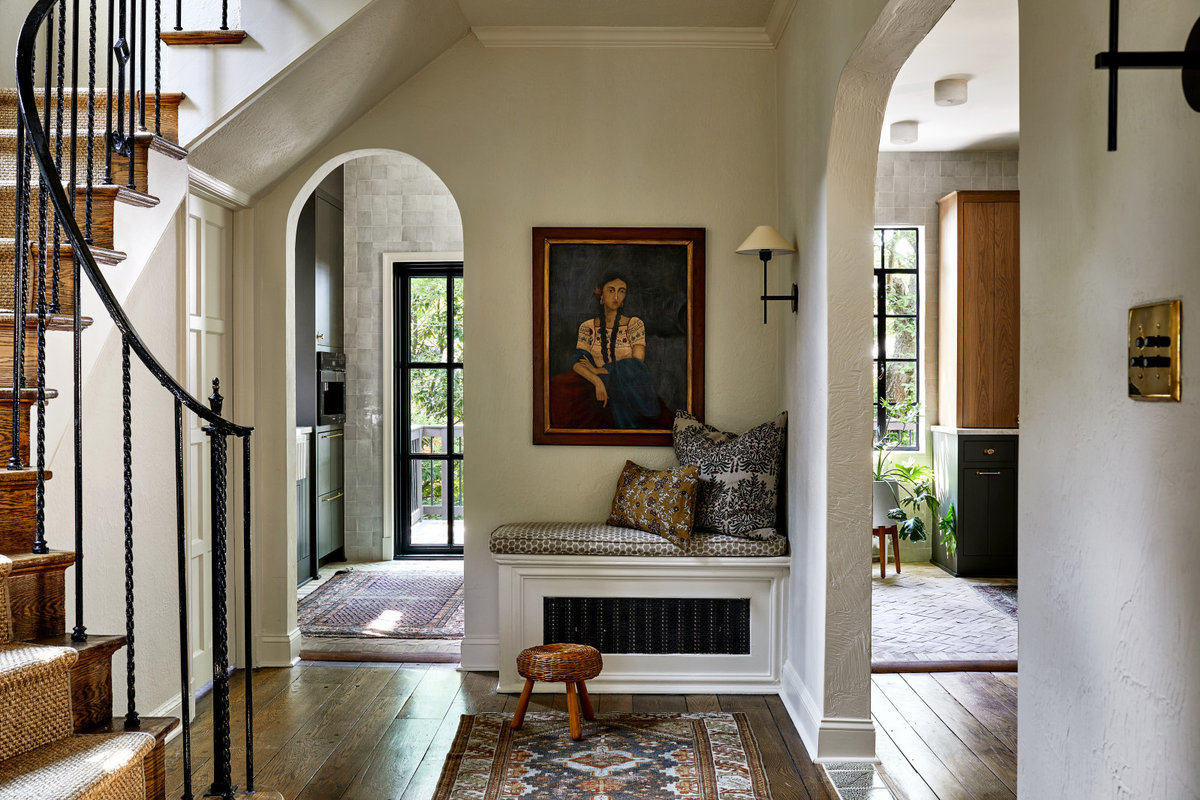
“I think if you're not confident in your design and your thoughts, and what you're putting on the table, your client is not going to feel confident,”she says. Once she gained her footing in the design business, Swabb went for it in pursuing her design vision. “For us, it was pushing the envelope a bit, incorporating more color, more detail, more interest while actively still running a profitable business, as well as coming home with happy clients.” she says.
She translates her design point of view to clients through Houzz Pro Mood Boards. “I love the Mood Board feature,” she says.
“If I'm taking a product from any website, I've got a Clipper, I can clip it in, I can put our price in,” she says. Swabb also customizes the information, depending on the stakeholder. “I can ensure all of the details that I want a client to see - the client description - and then all of the details I want a vendor to see - the vendor description - it's all there,” she says.
She also adds internal notes to the mood boards to guide her procurement team. “I can do that just to make sure it's very clear to everyone what's going on,” she says. “I appreciate how when you're adding things with the clipper, you can do it by project, by room, and you can really choose where this is going, and that way it really feeds into your proposal,” she says. “That's something I really love about Houzz Pro is the mood board transition to the proposal,” she says.

Value Your Work
Running a successful design business is not just about being a talented designer. It requires ensuring that the company is profitable, and that means being practical about the financials: Getting paid on time and placing value on all the work involved in executing a successful interior design project.
Swabb, for example,charges for consultations. “Everyone would want a consultation if they were free,” she says.“They allow both us and the client to understand if we want to undertake a relationship over the next - it's usually like nine months to two years. It's a big investment on their time but also our time,” she says. She charges by the hour for consultations and applies the fee to the project if the client hires them.
Her firm also provides clarity and clear communication around payments and policies for handling work that falls outside of the project scope. “We are very clear in our contracts. Out the gate, we have a payment schedule and we have an entire scope of work schedule. All of those talk to one another and so we work on those milestones,” she says. “Any work outside of those milestones are billed at an hourly rate and we let them know as it comes up.”
And when it comes time to getting paid, Swabb offers the convenience of online payments, but accepts checks if the clients prefer that method, and passes on any related fees to her clients.

Diversify Your Revenue Stream
Besides striving to find more work-life balance, Swabb is seeking new adventures to maintain and grow revenue year over year.
The firm is branching out into real estate with an eye towards learning how people make use of the space they renovate. “We will be renovating, and then ideally, letting people stay at, or rent from us to really understand the Storie Collective experience,” she says. The firm is under contract with its first property. “That's something we're trying to do is renovate a whole home and let people live in it to understand our design work and how it looks and feels,” she says.
“You go to a hotel and you're impressed, ‘I like this place, the amenities, and how my coffee can be made here,’” she says. Sometimes, people need to live in a home before knowing whether they want to purchase it. “It's that feeling, it's that overall experience,” she says.
Learn how Houzz Pro can be your end-to-end software along every step of the interior design process. Try our Pro package today.


Want advice delivered to your inbox?
Unlock industry insights and updates for contractors and design pros
By signing up, I agree to the Houzz Terms of Use and Privacy Policy and that Houzz may use my information to contact me about relevant content, products, and services.