An Interior Designer on How Technology Helped Propel Her Business to Success
Kirby Foster Hurd reveals the savvy tech tools that have helped her close and manage projects, and ensure clients return
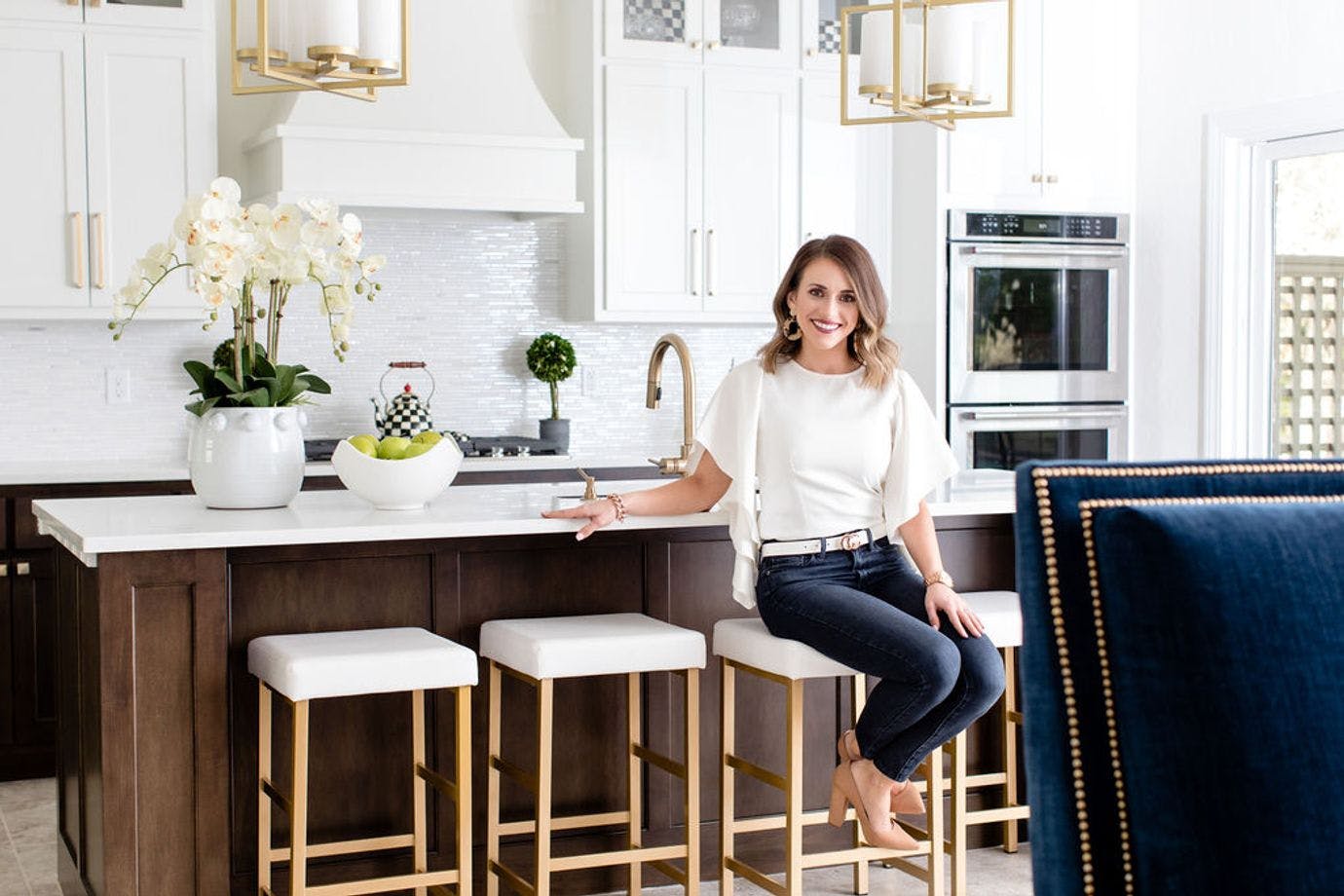
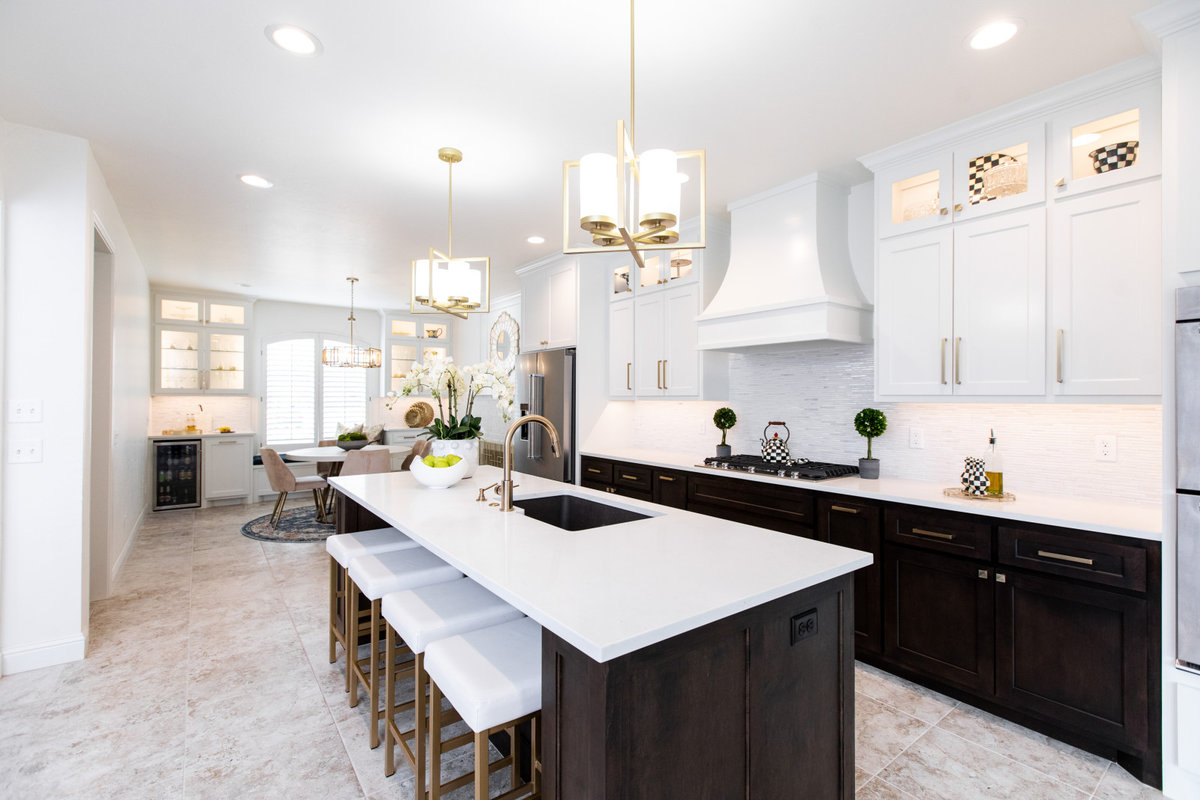
Having gained a wealth of experience custom-building her own homes, Kirby Foster Hurd took a leap of faith upon exiting her corporate job to pursue a career in interior design — a profession she has been passionate about from a young age. “It felt like a huge risk,” says Foster Hurd. “But from the day I walked away, I’ve been busy ever since.” Since its founding in 2018, Kirby Home Designs has become a successful design firm specializing in residential design including new construction and remodeling. But just how has Foster Hurd achieved such rapid success? Here she shares the game-changing tips that have helped her attract great leads and build valuable, long-lasting relationships with returning clients and contractors.
Take that leap of faith — no matter what your background
Jumping straight into interior design from the corporate world meant Foster Hurd bypassed formal interior design training, however, she found her experience in business and project management brought enormous value when it came to launching her design studio. “I don’t think people starting out in interior design give enough credit to how much business goes into the daily scope of work, particularly, if you’re going to start a smaller boutique firm, like mine, and do all the jobs yourself,’ admits Foster Hurd. “You’re the accountant, you’re HR, you’re all of the business needs, as well as the interior design needs too. I would absolutely say education plays a part in it, but, I think, having good business acumen is huge too.”
Another transferable skill Foster Hurd brought from her corporate days was her professionalism — a skill that goes a long way in encouraging a bond with clients from the get-go. From the very first contact with a potential client, whether it’s an email or phone call, exercising professionalism in all aspects of the relationship is more likely to see clients returning to you for your attentive service. Foster Hurd ensures she replies to requests promptly so each prospective client gets the answers they need. “When I get a lead, I follow up by asking for a phone conversation fairly quickly so I don’t lose their interest. I normally schedule a 15-minute call to briefly understand their needs, to ensure that I’m the right fit, explain my processes and how Kirby Home Designs can be of help,” says Foster Hurd.
Attract the right clients and speak their language
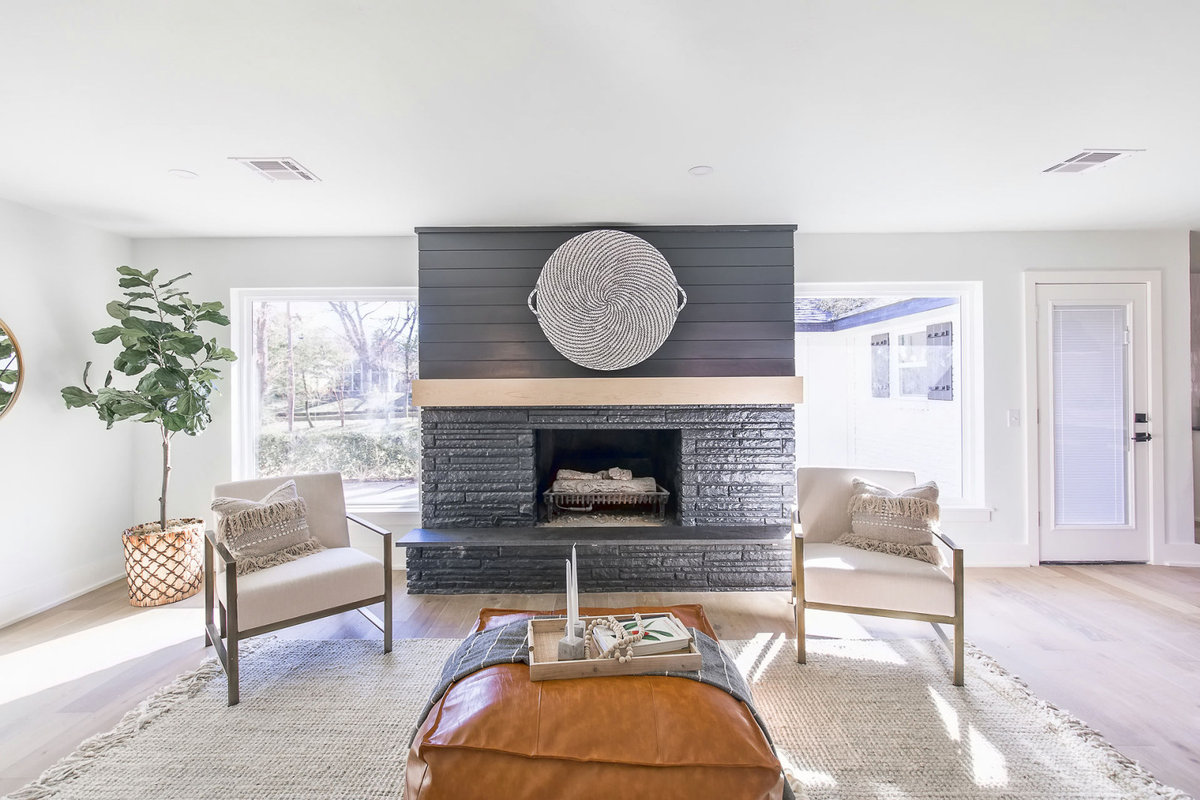
As an interior designer primarily working on residential design, Foster Hurd researched and identified where her clients were seeking interior inspiration so she could market herself on the right channels and capture their interest. “Clients are looking to dedicated home improvement platforms where there’s an engaged interior design community,” says Foster Hurd, who believes showcasing her design services on such devoted interior platforms connects her directly with homeowners seeking those specific needs.
But what’s her secret to capturing their heart as well as their heads? We all know interior design isn’t just about choosing colors and fabrics, it’s also about people’s lives and personalities — spaces are designed for people to use after all. By demonstrating you genuinely care about how a client will benefit from your designs, you will encourage them to put their trust in you and your vision. Fortunately, Foster Hurd’s background in corporate business has made her fully appreciate her new career in design even more. “I now feel like I’m making a direct impact everyday and changing someone’s life. Not that I wasn’t necessarily before, but I didn’t feel that immediate connection and impact. I didn’t really see the big picture of where I fit in, but now I can see my purpose,” she says.
Nurture client relationships so they’ll return
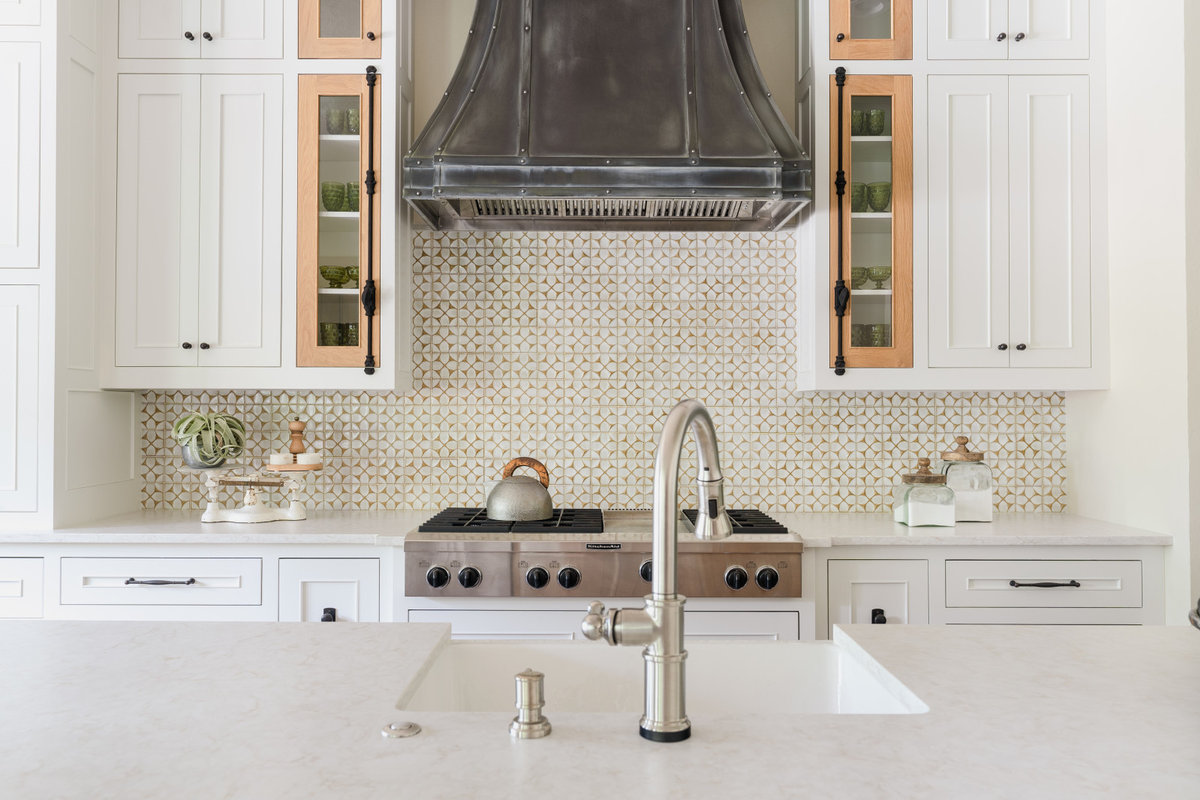
It’s crucial to develop a strong relationship with your client so they trust you have their interests at heart every step of the way. “When I take on a project, I like to be over everything, from the electric walk through to the laying of tiles. I meet with every subcontractor and deliver an exact direction sheet of how to install so my client feels protected,” says Foster Hurd. “Creating a good experience is the best way to ensure clients come back, as is developing a deep understanding and connection with them, so they feel loyal to you. I ensure each client feels special, like they have my undivided attention every time I interact with them, whether that’s a phone call, email or in-person meeting.”
Above all else, clients need to be kept in the loop with the processes, not only to ensure a good working relationship, but also to manage their expectations around time frames and costs. “You’re managing a lot of expectations, client expectations, and contractor expectations — sometimes you find yourself very much in the middle of those two relationships and you have to find a nice, happy, medium, and balance there. Knowing how to manage each relationship harmoniously is the key to success of any project,” she says.
Elevate with an impressive tech toolbox
Joining Houzz Pro at the start of her new career path gave Foster Hurd a good foundation from which to build her business and expand her profile, however, she’ll be the first to admit she wasn't aware of how much it could help. “The earlier you get onboard with Houzz Pro, and utilize all their services, the better. That’s my top tip. I joined it immediately and have absolutely no regrets. I have had some of the best clients through Houzz.”
Foster Hurd not only maintains good communication with her clients at every stage of the project by sending them clear and precise updates, she also helps them visualize their dream home with the help of Houzz Pro's impressive and immersive 3D Floor Planner. “I think Houzz Pro 3D floor planner capabilities really set me apart from some of my peers locally and help me land new clients when I throw out that I do have this software available,” says Foster Hurd, who also loves the real-time setting that allows clients to see what she’s working on at any given time. “If they’re ever wondering what’s going on behind the scenes, they know that they always have direct access to the plans, so they can see that progress is being made. I think that’s one way to reassure them that there are things happening behind the scenes, as well as going some way to manage their daily phone calls, which can be hard to deal with when you are busy.”
One of the biggest challenges facing interior designers in the current climate is knowing how to prepare for the unknown and being able to pivot quickly when situations arise. “I think the reality is we are not starting or finishing a project as quickly as we used to. I think we’re all going to find that we have to take on more projects at once and juggle more just because everything is taking longer than it used to. I don’t really see that changing in the next few years at this point. I think being in a position where you are comfortable taking on more work is going to be major, and any tools that can help expedite those processes and make everything more efficient, is going to be the winning ticket.”


Want advice delivered to your inbox?
Unlock industry insights and updates for contractors and design pros
By signing up, I agree to the Houzz Terms of Use and Privacy Policy and that Houzz may use my information to contact me about relevant content, products, and services.
More From Houzz Pro Learn
PRO SUCCESS STORIES
Same-Day Approvals & Payments: How Kyle Hill Design Moves Projects Faster With Houzz Pro
PRO SUCCESS STORIES
How UA Designs Grew to 50+ Projects While Keeping Team Growth in Check
PRO SUCCESS STORIES