Consultations: Fee or Free?
Learn the pros and cons of 5 consultation options to decide which makes sense for your business

Consultations are key for any home improvement professional. They offer a valuable opportunity to get to know the client you might be working with quite closely for the duration of the project, and they allow you to show your expertise and enthusiasm — which can help win you the project. But given that all consultations don’t lead to actual projects, it’s also important to figure out how much time and effort you’re willing to invest, and whether it makes sense for you to charge, not charge, or use a hybrid method. Here we’ll cover five options for consultations so you can decide which is best for you.
Option 1: No-Charge Consultation
What it is: A straightforward free session that includes discussing the project, the budget and your qualifications; can also include offering specific design or construction ideas.
- Pros: Expands your potential client base more than a fee-based consultation would; potentially creates more sales and referral opportunities, whether immediately or in the future; less pressure for you and the client.
- Cons: Leaves you more open to folks who are “just looking.” The results might not be worth the effort you put into preparation.
Best for: Businesses that are new, very short on leads or don’t have much variety in type of project.
What the professionals say:
“My office doesn’t charge a fee for the initial consult, as we see it as an opportunity to learn if the project is right for us just as much as if we are right for the owners. There are certainly times when folks have tried to take advantage and glean more information or ideas than is really appropriate, but it is up to us what we share and what we keep until an agreement on service has been reached.” —interior designer Heather Susemihl of McCall Design & Planning
“I abandoned the consultation fee. It was effective at weeding out ‘tire kickers,’ but there have been many times when the ‘gifted’ 90 minutes of time has turned into hundreds of thousands of dollars over multiple projects.” —interior designer Jan Moyer
Option 2: Charge an Hourly Fee
What it is: You charge for the actual time you spend preparing and meeting with potential clients, often with a set minimum number of hours and often in the person’s home.
- Pros: You’ll earn money whether or not the project proceeds; you and the client can choose how much time to spend on preparation and meeting; it naturally weeds out “lookie-loos”; you establish your value from the get-go.
- Cons: Any fee might deter some folks from signing up for a meeting; you might feel more obligated to pursue a project even if it doesn’t feel 100% right, because the person has already paid you something; you’ll have to keep careful track of time.
Best for: Businesses that have some projects in the pipeline already; professionals who know that they’ll put a lot of effort into every consultation regardless of project potential.
What the professionals say:
Jennifer Grey Color Specialist & Interior Design
“I have charged an in-home consulting fee for the past 15 years after a mentor convinced me that my time and knowledge was valuable. I request that a prospective client complete and return a questionnaire to me prior to our scheduled appointment. During the in-home consultation, we review the questionnaire, and we ask the homeowner to express their design ideas and aspirations; we review what is feasible based on the structure of the home and the budget specified. By the end of the consultation, the homeowner has realistic budget parameters for their project criteria and timeline for completion of work. The exchange is very equitable, and all parties feel respected.” —kitchen and bath designer Molly McCabe of McCabe by Design
Tip: Let the person know ahead of time what is included in one hour, two hours or more. For example, one hour might include discussing design feasibility and a timeline, offering a budget estimate and providing rough sketches. Two hours might include those things plus discussing colors, materials and other specifics.
Option 3: Charge a Flat Fee
What it is: You charge one standard fee that includes all preparation and meeting time. Often the consultation takes place in the person’s home.
- Pros: As with an hourly fee, you’ll earn money whether or not the project proceeds, it naturally weeds out “lookie-loos,” and you establish your value from the get-go. But with a flat fee you won’t need to keep track of time, which can lower stress for you and the client.
- Cons: As with an hourly fee, a flat fee might deter some folks from signing up for a meeting, and you might feel more obligated to pursue a project even if it doesn’t feel 100% right. Also, you can end up putting more time into preparation than expected, without an increase in fee.
Best for: Businesses that have some projects in the pipeline already; professionals who can stick to limits they set for themselves regarding expended effort.
What the professionals say:
“I charge $100 to go look at a new project. I have had people outright say no, and it saved me time. Traveling, measuring and listening all take time, not to mention quoting. While I know we feel the pressure to not charge for the consultation or deduct it later, I won’t deduct that fee, as it makes it look like the time I took to do the initial consult really wasn’t worth anything after all.” —drapery professional Julie Thome
Tips: Decide in advance how much time you’ll spend on the preparation and meeting, and stick to it. Let the person know ahead of time what is included in the flat fee.
Option 4: Credit a Charge to the Project
What it is: A hybrid approach — a compromise that ensures you get paid regardless of whether the project moves forward. You can credit the entire consulting fee to the project or just a percentage of it.
- Pros: Creates an incentive for the homeowner to pursue the project with you; preserves your income and sense of self-value while giving the client a deal; encourages prospects to research you before requesting a consultation.
- Cons: As the client will have to pay the fee out of pocket if the project doesn’t proceed, it could create bad feelings and potentially lead to a bad review. Also, as with any other fee-based consultation, it could deter leads and reduce the number of possible projects in the pipeline.
Best for: Established businesses that can afford to be more selective about clients; professionals who would prefer not to do any work for free but don’t mind giving up a small monetary amount in the long run.
What the professionals say:
“For many years, I would do a free initial consultation but I found that homeowners interview many different people for a job. I would spend a ridiculous amount of time just meeting potential clients. A good many of them just wanted free advice. When someone pays me to come out, I know that they are serious about hiring me. I’m happy to give potential clients ideas and advice because they are paying for my time. I charge a fee that I deduct from the project if I am hired. For me it has been a win-win.” —designer/builder Debbie Gliksman of Urban Oasis
“I have seen both sides of this equation, where I feel I will scare them off and also where I feel if they aren’t willing to value my expertise and time, they aren’t a fit for my business. I think I have come up with a fair solution. I now tell them the initial consultation is $150 and what it will cover: a reasonable meeting where we exchange ideas based on my expertise. I then tell them that I will refund half of this if they decide to move ahead with my firm. I have found that most are receptive to this.” —architect Jason Ballinger of JLB Design
Option 5: Free Meeting
What it is: An unpaid and usually shorter info session that takes place in or near your office. This is typically more about getting acquainted and less about offering design advice.
- Pros: Less travel time and effort; low stress; the casual nature reduces the need to prepare extensively; appeals to clients who like to talk with a number of professionals before choosing one.
- Cons: You won’t earn any money if the project doesn’t move forward; can be tempting to spend more time with the person than anticipated.
Best for: Businesses with a large number of inquiries on a regular basis, or that have plenty of projects in the pipeline but want to stay open to opportunities; professionals who have firm boundaries around time and effort.
What the professionals say:
“For a long time I offered a free consultation, but recently have switched to charging for that time if I am meeting a prospective client at their home. I do still offer a free 30-minute meeting if the meeting is to take place at my office; but traveling to them, which usually takes at least two hours, if not three or four, simply doesn’t often enough result in an accepted proposal for a free consultation to make sense.” —architect Don R. Titus
“I offer potential clients the option of coming to my office for a free 30-minute meeting. About 50% of the people who take me up on the offer end up hiring me.” —interior designer and decorator Theresa Guthals of Pikes Peak Interiors
Helpful Hint #1: Create a Client Qualification Checklist
Screening homeowners for fit (aka qualifying leads) before meeting them can save time and energy for all concerned. You can create a simple checklist starting with the parameters below and envisioning your typical or ideal clients. You can then use this checklist to quickly figure out whether or not to meet with the person, although of course you can decide on a case-by-case basis as needed. For instance, perhaps ideally you’ll work within an hour’s drive of your office, but you might be willing to travel farther for a special project.
The Client
- Geographical location
- Age range
- Family status (single, young children, empty nesters)
- Household income level
- Educational level
The Project
- Type
- Design style
- Timeline
- Budget range
The Working Relationship
- Do you prefer clients who are hands-on or hands-off?
- Do you prefer new or experienced clients?
- Do you prefer clients to have some comfort with technology?
- What communication style works best for you?
Helpful Hint #2: Let Tech Lend a Hand
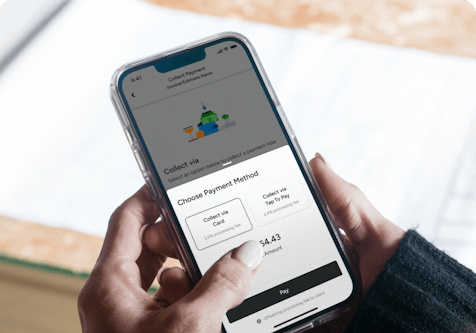
Whether you’re a solo operation or you have dedicated staff, software can help you boost and organize leads, free up time and convey your professionalism. What’s more, it can impress clients and add value for them. For instance, Houzz Pro all-in-one software lets you offer clients 3D floor plans and easy online payments, and can simplify project management and communication at every level.
Try Houzz Pro free today and see how it can help you level up your business!


Want advice delivered to your inbox?
Unlock industry insights and updates for contractors and design pros
By signing up, I agree to the Houzz Terms of Use and Privacy Policy and that Houzz may use my information to contact me about relevant content, products, and services.