Guide to Overhead Costs in Construction
The Complete Guide to Understanding and Managing Overhead Costs in Construction

Finances might not be the sexiest part of construction projects, but managing cash is a critical part of securing the best outcomes. When considering cash flow into and out of the project coffers, project managers have to keep an eye on both direct and indirect costs, including the overhead expenses that support the construction team and keep everything running smoothly.
Overhead costs are expenses related to doing business outside of direct project related costs. They are easy to forget or overlook if not accounted for properly, but they represent a fair chunk of overall expenses.
This article will discuss the types of overhead costs in construction, some best practices for calculating them, and strategies for recovering those costs for a healthier financial picture.
What are construction overhead costs?
Overhead costs in construction are expenses involved in running a business that are not directly related to completing a project or piece of work. Whereas direct costs of a construction project might be equipment charges, labor rates, and materials expenses, overhead costs include things like office space, fuel costs for employees coming to and from the site, and coffee and doughnuts at team meetings.
These ledger items might seem trivial, but they contribute to the overall costs of doing business. Contractors have to understand their impact and account for them to maintain solid financial foundations.
Types of construction overhead costs
There are several types of overhead costs, and each one can be considered separately when it comes to allotting them to specific projects.
General overhead vs. project overhead
The first distinction parsing out overhead costs is between general overhead and project overhead. General overhead costs exist outside of any project. Contractors can calculate their annual expenses on these items and spread them proportionately across all projects. General overhead could include things like head office expenses and administrative staff salaries.
Project overhead can be attributed to a specific project, like setting up an office trailer or providing sanitation facilities on site.
Fixed overhead expenses in construction
Fixed overhead expenses are those that remain the same, month over month, regardless of active projects. Some examples of fixed overhead expenses may include:
• Software costs
• Office rent
• Phone bills
• Administrative salaries
• Legal and accounting services
Variable overhead
Variable overhead costs change depending on construction activity levels or changing seasons. Some examples might be:
• Utilities
• Marketing expenses
• Additional equipment or labor costs
A comprehensive list of construction overhead costs
Accounting for overhead costs starts with identifying all the ones that impact a business. Here is a list of common construction business expenses.
Office and administrative expenses
Office expenses include staff salaries, computers, printers, phones, and utilities that are required to keep the office running efficiently.
Professional services and fees
Legal and accounting fees, bookkeeping services, and other professional consultants are overhead costs that apply regardless of construction activities.
Insurance and compliance costs
Permitting fees, general and project-specific insurance premiums, compliance software, and environmental impact assessments all help a construction project stay consistent with legal and regulatory frameworks.
Equipment and Vehicle Expenses
Equipment purchases, depreciation, and maintenance, are all essential to running a construction business and must be accounted for in the overhead budget.
Marketing and business development
Advertisements, vehicle decals, website development, and sales lunches are all costs of business development that can be considered overhead expenses.
Staff-related overhead costs
Staff-related costs include salaries and bonuses, but also sanitation, training, team-building, and company-provided PPE.

Calculating construction company overhead
Given the multitude of expenses that make up construction overhead costs, it may seem daunting to have to calculate the costs to include in individual project bids. Following a few steps will get contractors in good shape to account for all their overhead costs.
1. List all overhead expenses
Follow the guidelines above to identify all the overhead costs in the construction business.
2. Allocate expenses by project
Project-related overhead expenses may be pretty straightforward to calculate – simply add up all the costs specific to that project.
To allocate general overhead expenses, contracting teams can add up annual overhead expenses and divide by 12 to get a monthly cost. Multiply that number by the number of months spent on a project to get a total project allotment.
3. Calculating overhead as a percentage
Divide the total overhead costs by the direct costs of running a project, and multiply by 100 to establish the percentage of costs represented by overhead.
Overhead Percentage = Total Overhead / Total Direct costs x 100
For instance, a project with direct costs of $100,000 and overhead costs of $20,000 would have an overhead percentage of 20%.
4. Apply the overhead percentage
By using the calculations above, contracting teams can apply an overhead percentage to project bids to recoup costs and improve profitability.
5. Track and reduce overhead costs
Overhead rates may differ from company to company, but it’s pretty standard for overhead to cost 10-15%. Consistently tracking overhead costs can help companies determine where they can reduce to make themselves more competitive in the marketplace.
How to recover overhead costs in construction
Once a contractor has determined an overhead percentage, that number should be used to bid strategically to recoup those costs over the course of the project. Keep in mind that overhead has to be added to the profit margin for a markup that will cover expenses and allow for a healthy profit margin.
For example, if a contractor wants to make a 20% margin to allow for profits and overhead, the total bid actually has to include a 25% markup. Check the math:
If direct expenses on a job are $20,000, the contractor needs to price the job at $25,000 (a 25% markup) in order to achieve that 20% margin.
$5,000/ $25,000 x 100 = 20%
These margins can be worked strategically into almost any pricing model, but they’re specifically built into cost-plus, lump sum, and time and materials pricing strategies.
Managing and reducing contractor overhead costs
Once a contractor has a solid idea of what overhead costs are, it’s possible to track, analyze, and reduce those costs. Strategic materials ordering and improved process efficiency across business operations can help to reduce overhead costs and lead to more competitive bids.
Of course, efforts to reduce overhead should not impact overall quality of the work or client satisfaction, which could eventually negatively affect bottom lines themselves. Instead, shopping around for bulk pricing, using expense tracking software to identify money sinkholes, and getting advice from accountants on where to cut costs could all help in this effort.
Using accounting software can help track and analyze costs automatically to help contracting teams recognize cost savings.
Finding the balance between competitiveness and profitability
There may be a bit of trial and error in finding the right balance between allowing for enough markup to cover overhead expenses and retaining competitive pricing. Reducing overhead expenses can help a lot, and efforts to curtail costs can be ongoing. Still, contractors should never cut prices to the extent that they won’t cover the cost of doing business.
Contractors can continue to adjust their bid margins to recover their overhead expenses and remain competitive.
Common overhead management mistakes
Allocation errors
Each contracting team needs to decide on expense allocation methods and apply them across projects. When contractors mistakenly apply general overhead like administrative costs directly to a specific project, it can throw off the numbers and impact accounting across the business.
Inconsistent tracking
Tracking expenses is critical for internal and client-facing aspects of the business. Figure out a tracking system that works and stick with it. Consistency rules.
Tracking with no analysis or change
Expense tracking only helps if teams analyze the results and actively work to improve processes accordingly. Use the numbers to make changes to see better results over time.
Tools and resources for managing construction overhead
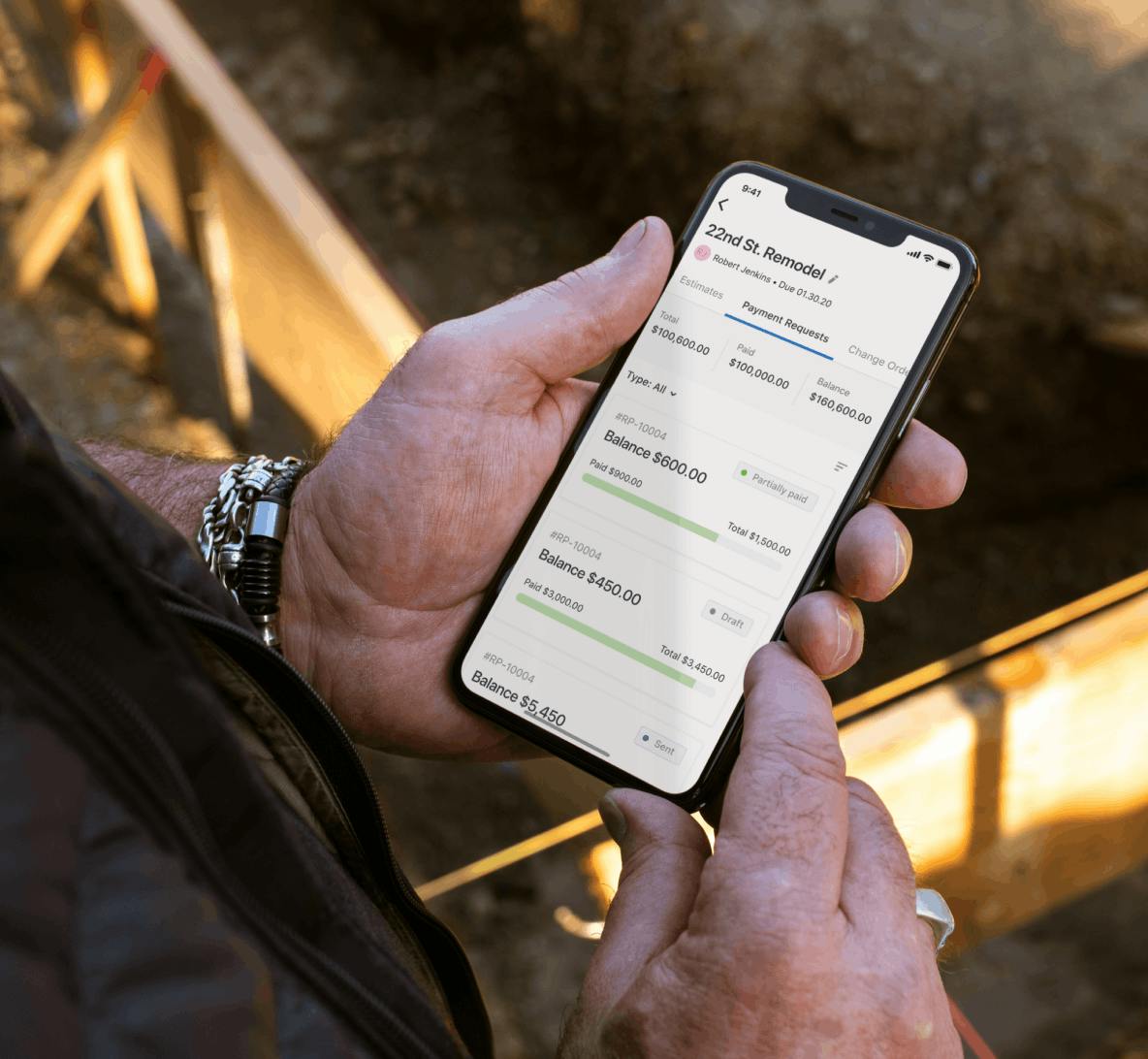
Construction teams may find calculating and allocating overhead costs to be a heavy lift, especially if administrative teams are minimal. However, there are tools and resources available to help contractors of all sizes manage their overhead cost management.
Construction management software helps teams to track what materials and resources are used on a construction site every day. Accounting software allows teams to track and calculate costs in individual categories and allocate them correctly. Houzz Pro includes estimating software and takeoffs tools that help contractors bid accurately for more profitable projects overall.
Overhead costs support business operations
When pricing construction projects, contractors ignore overhead costs at their own peril. To bid for profitable jobs, contractors have to account for all the costs of doing business. By learning to calculate, track, analyze, and reduce overhead costs, contractors can improve their processes and bid strategically for more profitable and competitive bids.

Want advice delivered to your inbox?
Unlock industry insights and updates for contractors and design pros
By signing up, I agree to the Houzz Terms of Use and Privacy Policy and that Houzz may use my information to contact me about relevant content, products, and services.